Technology · India Bureau
Teen's Study Exposes Stark Gender Bias in AI Image Generation
A 17-year-old's research into artificial intelligence systems has revealed significant gender representation gaps, with female scientists appearing in less than one-fifth of AI-generated images. The findings highlight persistent biases embedded in widely-used technology platforms.
LSN India ·
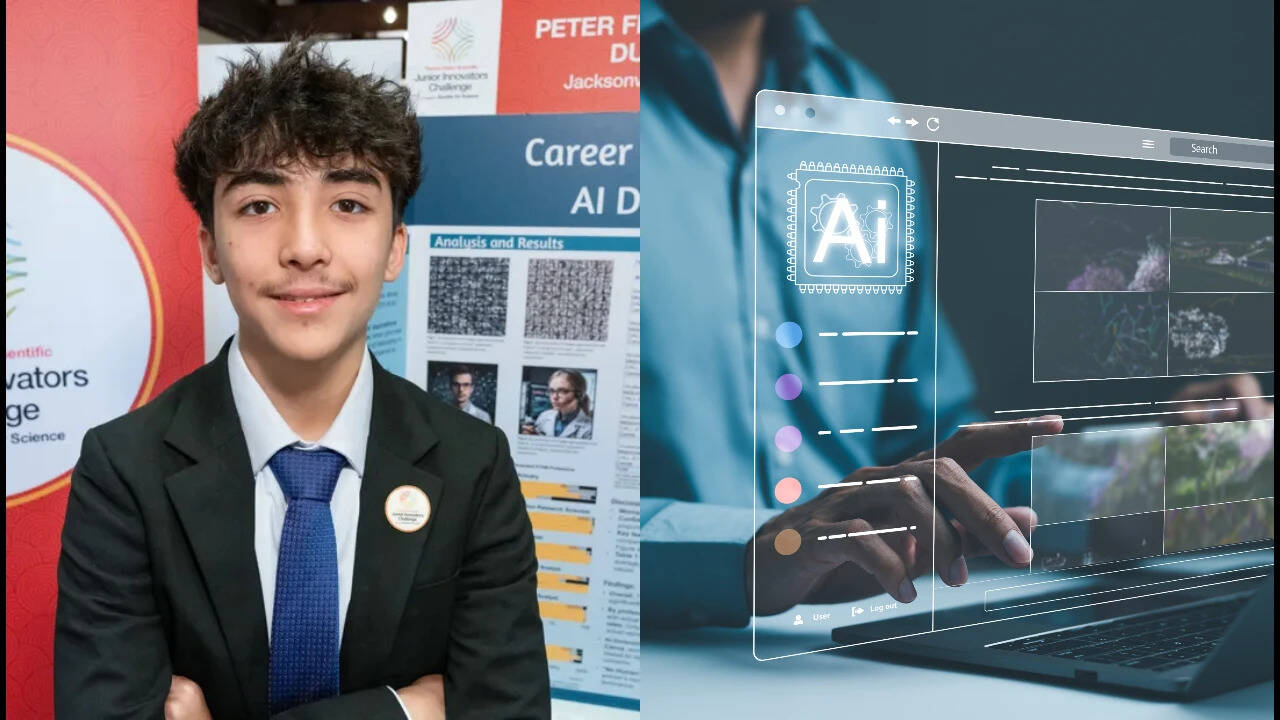
A Florida teenager's investigation into gender representation in artificial intelligence has uncovered troubling disparities in how AI systems visualize women in scientific fields. The study found that when prompted to generate images of scientists, AI tools produced female scientists in just 17.4 percent of cases, raising questions about the training data and algorithms behind popular AI image generators.
The research underscores a broader concern within the technology sector about algorithmic bias. AI systems learn from vast datasets of existing images and text from the internet, which often reflect historical underrepresentation of women in STEM fields. When these biases become embedded in the training process, they are perpetuated and amplified by the algorithms, creating a feedback loop that reinforces existing gender stereotypes.
The findings have renewed calls for greater scrutiny of AI development practices and the need for more diverse training datasets. Technology companies are facing increasing pressure to audit their systems for bias and implement safeguards to ensure AI tools generate more equitable and representative results. Experts argue that addressing these disparities is crucial, particularly as AI-generated content becomes increasingly prevalent in educational materials, media, and professional settings.
The teenager's work demonstrates how even young researchers can meaningfully contribute to understanding the societal implications of artificial intelligence. As AI continues to shape how information is created and consumed, advocates stress that ensuring fair representation across all demographics remains an essential challenge for the industry moving forward.