World · India Bureau
Teen scientist develops CRISPR-based blood test for tuberculosis detection
A 16-year-old innovator has created a cutting-edge diagnostic tool using CRISPR gene-editing technology to detect tuberculosis from blood samples. The breakthrough could transform TB screening in regions with high disease burden.
LSN India ·
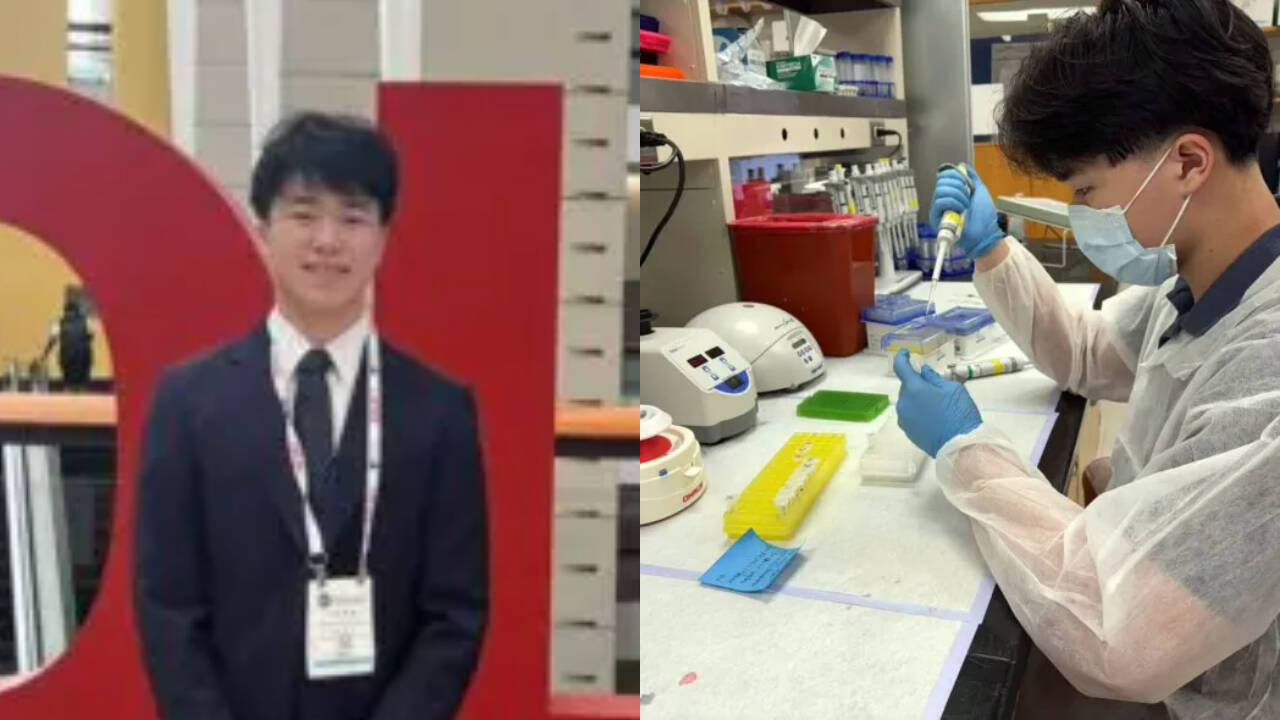
Austin Jin, a teenager from the United States, has designed a novel blood test leveraging CRISPR technology to identify tuberculosis infection, potentially offering a faster and more accessible diagnostic method than conventional approaches. The innovation represents a significant step forward in addressing TB detection challenges, particularly relevant for South and Southeast Asia, where tuberculosis remains a major public health concern.
The CRISPR-based test works by identifying genetic markers associated with Mycobacterium tuberculosis, the bacterium responsible for TB infection. By utilizing gene-editing technology to detect these markers in blood samples, the diagnostic tool could provide results more rapidly than traditional sputum smear microscopy or culture-based methods, which often require days or weeks for confirmation.
Tuberculosis continues to claim hundreds of thousands of lives annually across Asia, with delayed diagnosis contributing to disease transmission and treatment complications. Current diagnostic methods, while effective, present accessibility challenges in resource-limited settings. A blood-based CRISPR test could address these limitations by simplifying sample collection and reducing the time required for diagnosis.
The development of this diagnostic tool underscores the growing potential of CRISPR technology beyond genetic therapy applications. Youth-led innovations in molecular diagnostics are increasingly contributing to solutions for pressing public health challenges in high-burden regions.
Further clinical validation and regulatory approval would be necessary before such a test could be deployed in healthcare settings across India and neighboring countries.