World · India Bureau
Teen scientist uses engineered bacteria to combat Arctic ice loss
A 17-year-old student has developed an innovative approach using genetically modified bacteria to help slow the melting of Arctic ice. The breakthrough project demonstrates how young researchers are tackling climate change through biotechnology.
LSN India ·
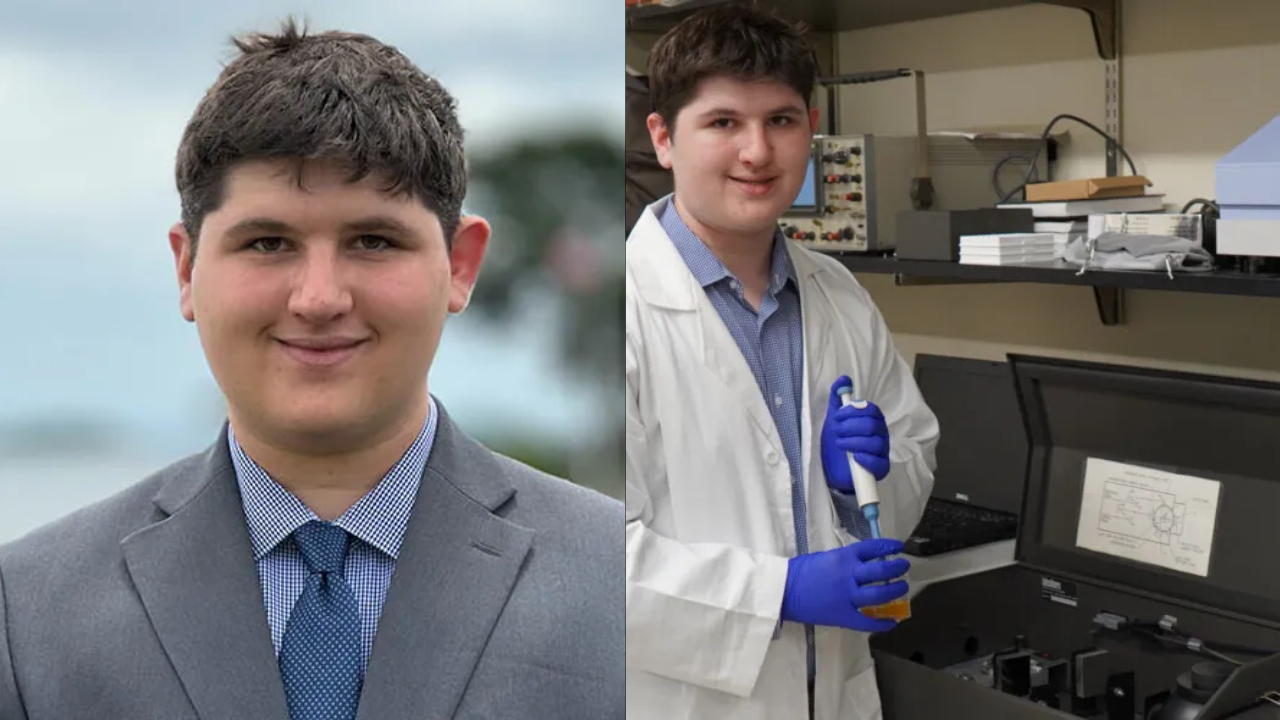
A high school student has turned to synthetic biology in an ambitious effort to address one of climate change's most visible impacts: the rapid melting of Arctic ice sheets. The teenager's project involves engineering bacteria that could potentially reflect more sunlight back into space, thereby reducing ice melt in polar regions.
The approach builds on existing scientific concepts while applying them in a novel way. By modifying bacterial strains to produce reflective compounds, the student aims to increase the albedo—or reflectivity—of ice surfaces. This could theoretically slow the accelerating cycle of ice loss that threatens ecosystems and contributes to global sea-level rise.
The initiative represents a growing trend of young people engaging with cutting-edge biotechnology to solve environmental challenges. Using gene-editing tools and microbiology, the student conducted laboratory experiments to test the viability of the engineered organisms and their potential real-world applications.
While the project remains in early stages, it highlights how advances in genetic engineering are opening new possibilities for climate intervention. Experts note that such approaches would require extensive testing and regulatory approval before any large-scale implementation could be considered.
The work underscores the critical role younger generations may play in developing creative solutions to environmental crises, combining scientific innovation with urgency around climate action.