World · India Bureau
Teenager identifies existing drugs with potential to combat Alzheimer's damage
A 17-year-old student researcher has identified two FDA-approved medications that demonstrated protective effects against cell damage associated with Alzheimer's disease. The findings suggest a faster, more cost-effective approach to drug development through repurposing existing treatments.
LSN India ·
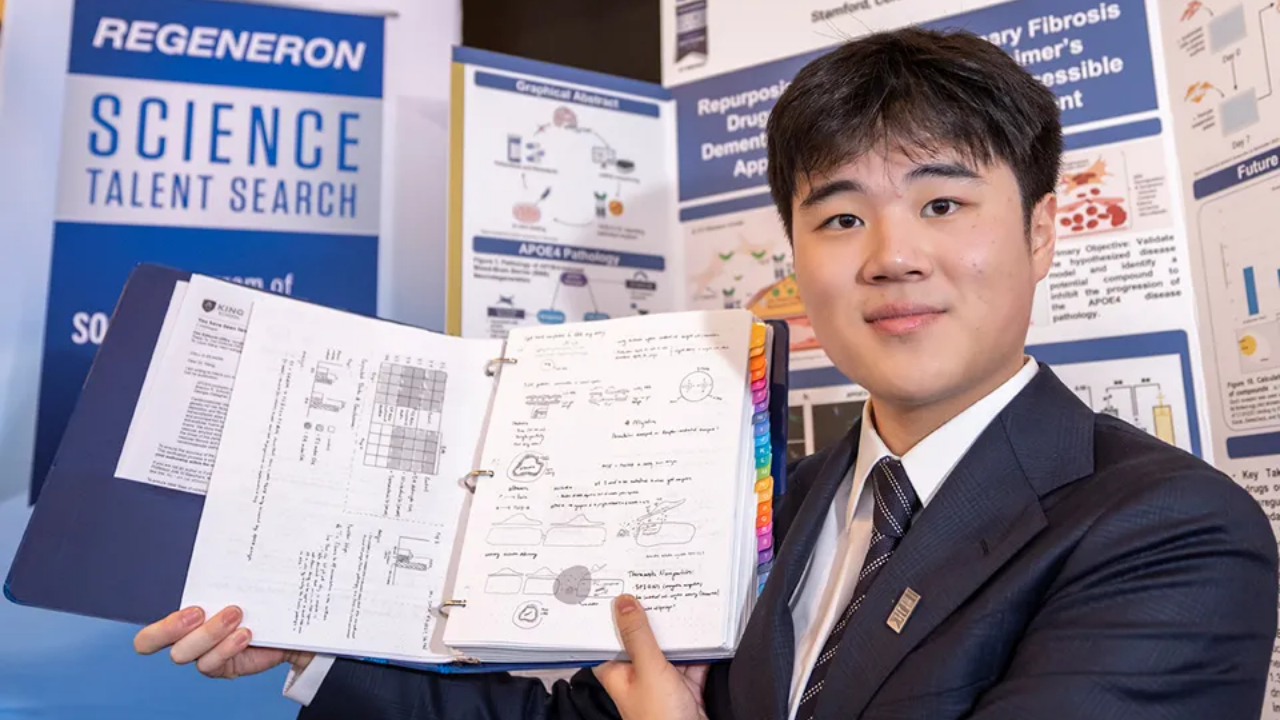
A high school student has identified two existing medications—nintedanib and pirfenidone—that show promise in reducing cellular damage linked to Alzheimer's disease, according to recent research findings. The discovery represents a drug repurposing approach that could accelerate development of new treatments while reducing research costs and timelines.
The student researcher, Leon Wang, focused his investigation on existing pharmaceuticals rather than developing new compounds from scratch. His work centered on understanding how these drugs might protect against damage in cell models, particularly in relation to APOE4, a genetic risk factor strongly associated with Alzheimer's disease susceptibility.
Wang's research highlighted the importance of brain blood vessel cell changes in Alzheimer's pathology and identified the TGFβ pathway as a potential therapeutic target. By examining how nintedanib and pirfenidone—medications already approved by the US Food and Drug Administration for other conditions—interact with this pathway, the study provides a foundation for further investigation.
The drug repurposing strategy offers significant advantages over traditional drug development approaches, which typically require extensive time and resources to move from laboratory research to clinical application. While these findings remain preliminary and require further validation through additional research, they suggest that examining existing approved medications could yield new treatment options for Alzheimer's disease patients.