Politics · India Bureau
Telangana power bills to spike as regulator approves massive subsidy recovery
The Telangana Electricity Regulatory Commission has greenlit the recovery of ₹5,420 crore in accumulated charges from consumers starting November 2026. The burden will be distributed over the next three years across the state's two power distribution companies.
LSN India ·
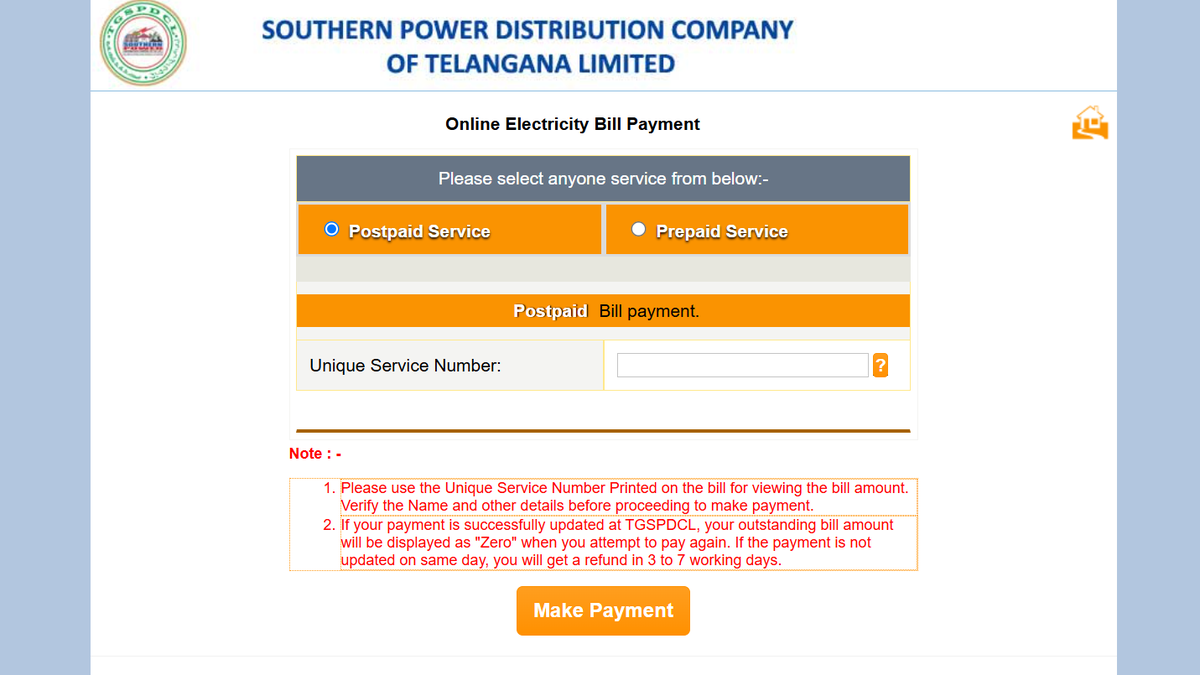
Telangana's electricity consumers face significantly higher monthly bills from November 2026 as the state's power regulator has approved the recovery of ₹5,420 crore in true-up charges accumulated by distribution utilities. The Telangana Electricity Regulatory Commission's decision will see these additional costs passed on to end-users through their regular power bills over an extended repayment period.
True-up charges represent the difference between the costs actually incurred by power distribution companies and the revenue collected from consumers. The recovery timeline varies depending on which utility serves the consumer. Those under Telangana Southern Power Distribution Company Limited will see the charges recovered until March 2029, while customers of Telangana Northern Power Distribution Company Limited will bear the recovery burden until December 2028.
The phased recovery approach aims to distribute the financial burden across multiple billing cycles rather than imposing it as a one-time charge. However, consumers can expect incremental increases in their monthly bills as the utilities work to recuperate the substantial shortfall in revenues. The recovery period spanning nearly three years underscores the scale of the financial challenge facing the state's power sector.
The regulator's approval reflects ongoing concerns about the financial viability of Telangana's electricity distribution infrastructure. True-up charges have been a persistent issue in India's power sector, with many state utilities struggling to balance operational costs against subsidized tariffs, particularly for agricultural and domestic consumers.