Business · India Bureau
Telangana's Mining Women Break Through Long-Standing Gender Barriers
Women workers at Telangana's State-owned Singareni Collieries Company Limited are increasingly taking on roles traditionally dominated by men, from handling explosives to operating heavy machinery, following amendments to the Mines Act. However, significant challenges including safety concerns and workplace discrimination continue to hinder their progress.
LSN India ·
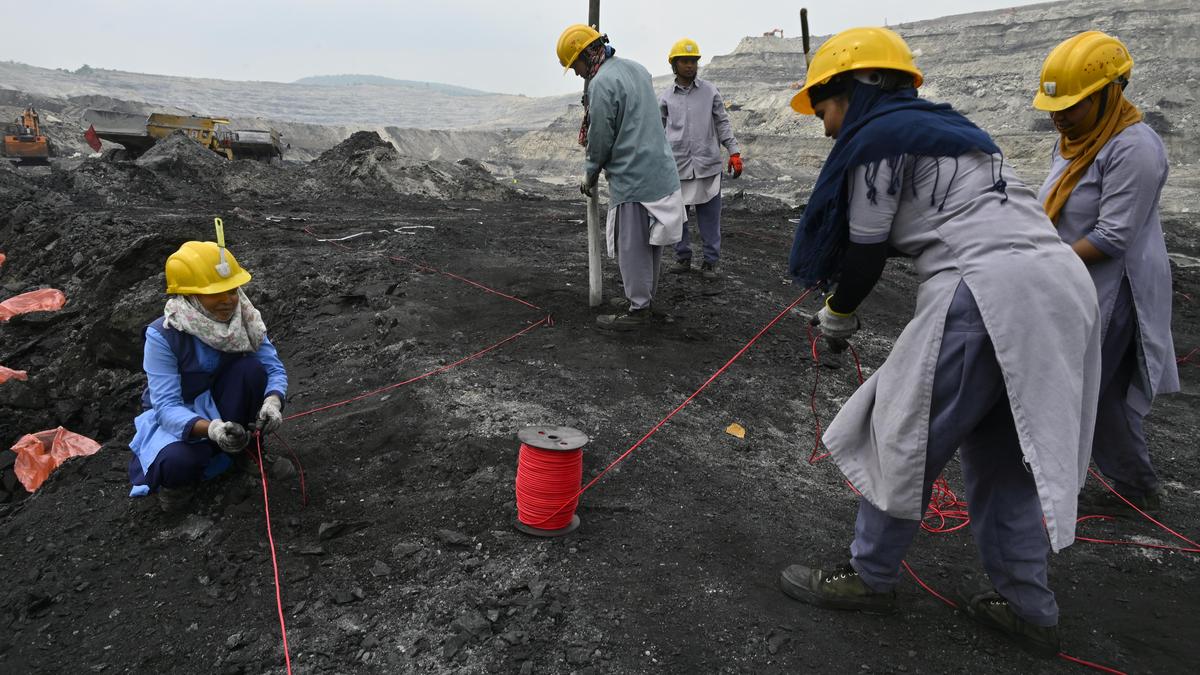
Women employed at Singareni Collieries Company Limited (SCCL) in Telangana are pioneering a shift in India's mining sector by moving into previously male-dominated positions. Regulatory changes to the Mines Act have created pathways for women to enter roles encompassing a broad range of technical and operational responsibilities. These positions include handling explosives, maintaining heavy mining equipment, supervising underground mining operations, and operating 100-tonne dumper trucks—work that was historically restricted to male workers.
The expansion reflects a gradual but meaningful transformation in workforce composition at one of India's major coal mining operations. Women workers are now undertaking training programmes to develop the skills required for these demanding roles, challenging long-held assumptions about occupational suitability in the mining industry. The legislative amendments represent a recognition that gender should not be a determinant of capability in specialized mining operations.
Despite these advances, significant obstacles persist. Women workers continue to face multiple challenges in the workplace, including inadequate safety measures tailored to their needs, entrenched gender bias from colleagues and supervisors, and the substantial physical demands of mining work. The integration of women into these roles has highlighted gaps in workplace infrastructure, safety protocols, and cultural attitudes within the mining sector. Experts and workers alike emphasize that legislative change alone is insufficient without corresponding improvements in workplace conditions and safety standards.
The experience at SCCL provides a case study for India's broader effort to diversify its mining workforce. As more women enter the sector, industry observers note that sustained progress will require not only maintaining regulatory reforms but also implementing comprehensive workplace safety measures, anti-discrimination policies, and workplace culture initiatives to ensure women can work effectively and safely alongside their male counterparts.