World · Malaysia Bureau
Temenggor quake linked to reservoir pressure and ancient fault line
Geological research has corroborated the Malaysian Geological Survey's initial assessment of last week's Temenggor earthquake, with scientists pointing to reservoir pressure and a pre-existing fault as contributing factors. Tenaga Nasional Berhad reported no structural damage to power infrastructure in the affected region.
LSN Malaysia ·
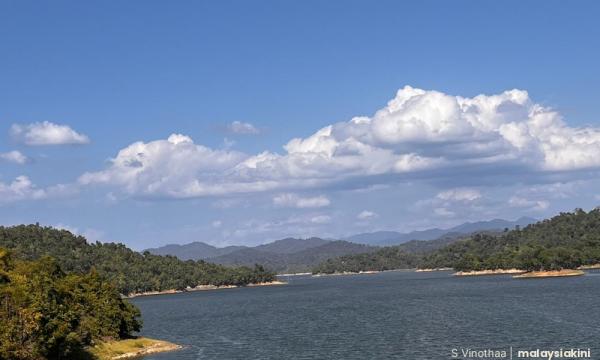
The magnitude 4.3 earthquake that struck the Temenggor area has drawn scientific scrutiny following the Malaysian Geological Survey's (JMG) preliminary findings that linked the tremor to elevated reservoir pressure in the vicinity of the Temenggor Dam. Recent geological analysis supports this assessment, indicating that the combination of water pressure from the reservoir and movement along an ancient geological fault created conditions conducive to seismic activity.
Researchers examining the incident noted that reservoir-induced seismicity—earthquakes triggered by pressure changes in water bodies—represents a documented phenomenon in similar geological settings. The pre-existing fault line in the region, dormant for extended periods, appears to have been reactivated by the accumulated pressure differential. While such events are relatively uncommon in Malaysia, they have been recorded in other parts of Southeast Asia where large reservoirs sit atop active fault systems.
Tenaga Nasional Berhad's structural assessment found no damage to the Temenggor Dam or related power generation facilities, allaying immediate safety concerns. The utility company conducted comprehensive inspections of critical infrastructure in the days following the tremor. Officials have indicated that continued monitoring of seismic activity in the region will proceed as a precautionary measure.
Geological authorities have stressed that understanding the mechanisms behind such earthquakes is essential for long-term risk management and infrastructure planning in areas where dams and fault systems coexist. The Temenggor incident provides valuable data for refining predictive models used in reservoir management across the region.