Politics · India Bureau
Temple wearable's brain health claims face scrutiny from medical experts
A new temple-mounted device developed by billionaire entrepreneur Deepinder Goyal claims to monitor brain health and ageing through cerebral blood flow measurement. However, medical professionals and researchers have raised significant concerns about the validity of its core metrics and the strength of supporting evidence.
LSN India ·
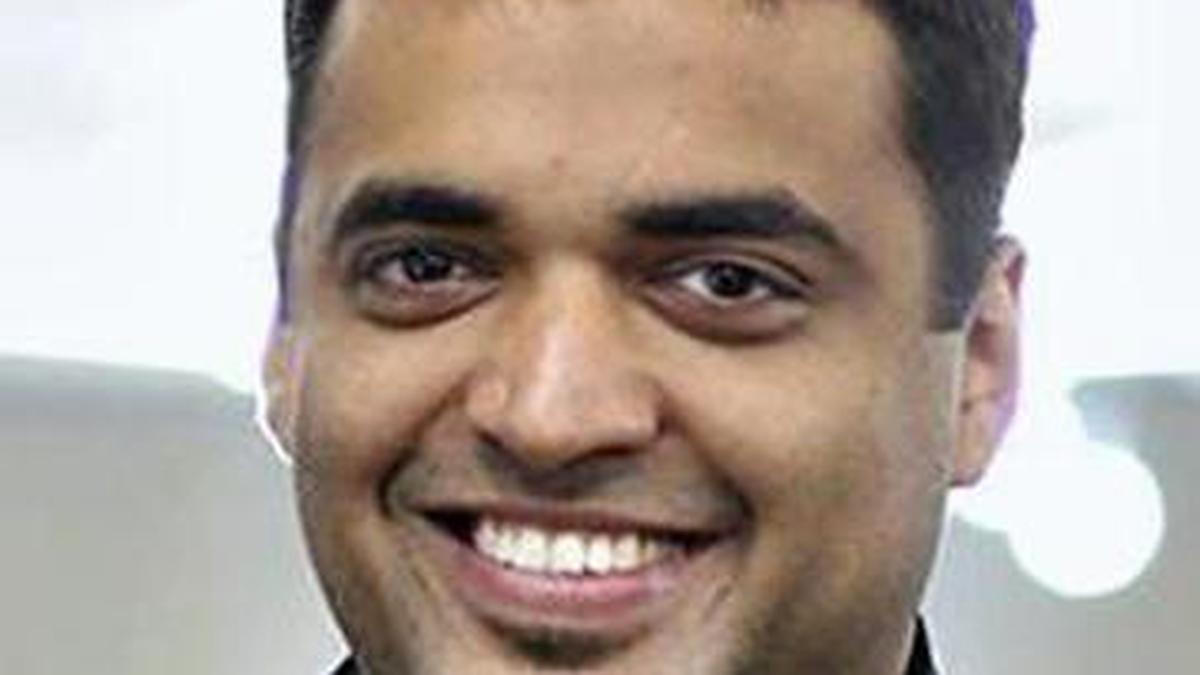
The device, called Temple, is designed to be worn on the side of the head and purports to measure cerebral blood flow as an indicator of brain health and ageing processes outside traditional laboratory settings. Goyal has begun commercialising the wearable, positioning it as a breakthrough tool for consumer health monitoring.
However, the medical and scientific community has responded with considerable scepticism. Doctors and researchers point out that the evidence supporting Temple's claims remains preliminary and has not undergone peer review, raising questions about the rigor of its validation. The device's central metric, known as the Brain Flow index, is itself controversial within medical circles.
A key concern among critics is the lack of established links between the Brain Flow index and actual health outcomes such as longevity or cognitive function. Without peer-reviewed studies demonstrating meaningful correlations between the device's measurements and clinically relevant health indicators, experts argue that consumers may be misled about the wearable's utility in assessing genuine brain health.
The controversy highlights ongoing tensions in the health technology sector between innovation and evidence-based validation. While wearable devices continue to proliferate in the consumer market, medical authorities emphasise the importance of rigorous clinical testing before devices make claims about monitoring disease or predicting health trajectories.