World · India Bureau
Ten bacterial pathogens pose growing global health threat, experts warn
Invisible to the naked eye, a handful of dangerous bacterial species continue to cause widespread disease across the world through contaminated water, air and person-to-person transmission. Health authorities are intensifying surveillance of these microorganisms responsible for some of humanity's most serious infectious diseases.
LSN India ·
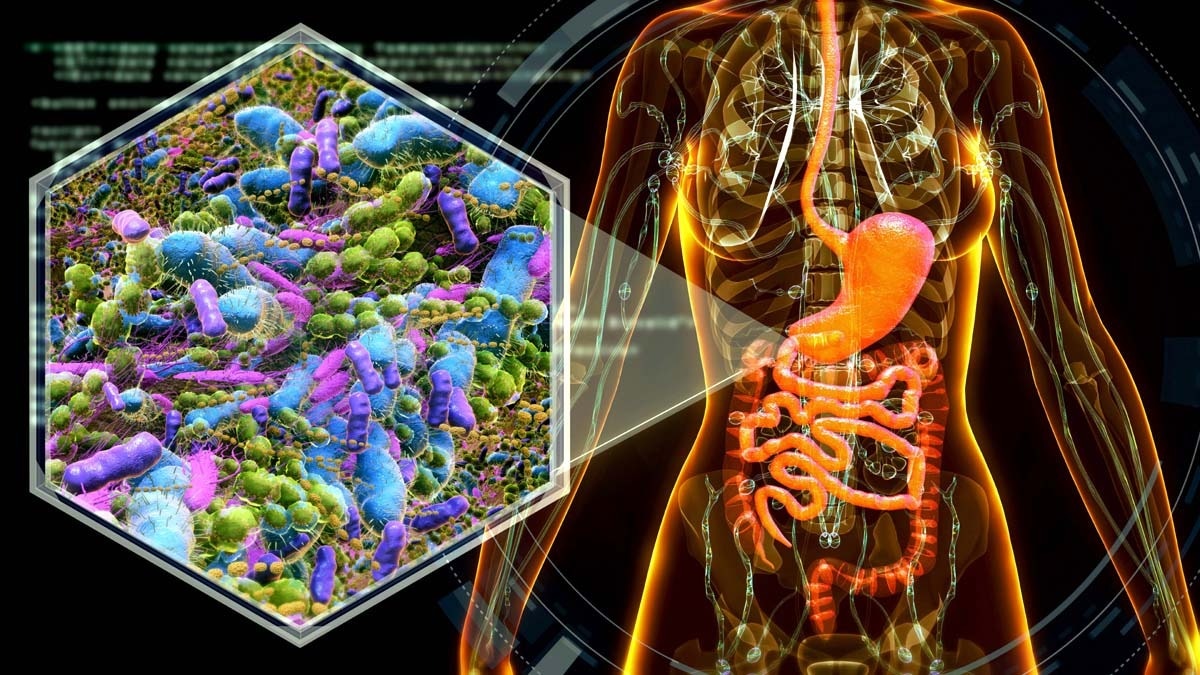
A cluster of bacterial pathogens responsible for major infectious diseases including cholera, plague, tuberculosis and pneumonia remain among the most pressing public health concerns facing the global community. These microscopic organisms, which cannot be seen without magnification, are capable of triggering severe and potentially fatal illnesses in human populations.
The bacteria employ varied transmission mechanisms to spread between individuals and across communities. Some pathogens contaminate water supplies and foodstuffs, causing outbreaks in areas with inadequate sanitation infrastructure. Others travel through airborne respiratory droplets, making respiratory infections a particular concern in crowded urban settings and healthcare facilities. This diversity in transmission routes complicates prevention and control efforts.
Disease surveillance networks worldwide are closely monitoring these ten bacterial species due to their capacity to cause mass casualty events and their role in established endemic diseases affecting millions annually. Cholera and plague historically devastated populations before modern understanding of microbiology and public health. More contemporary concerns centre on antibiotic-resistant strains, which limit treatment options and increase mortality rates.
Public health authorities emphasize that combating these bacterial threats requires a multi-pronged approach including improved water and sanitation infrastructure, vaccination programs where available, infection control measures in healthcare settings, and ongoing surveillance to detect emerging resistance patterns. Regional cooperation and information-sharing remain critical for early detection and rapid response to outbreaks.