Politics · India Bureau
Tennessee estate reverts to heirs after municipality fails park pledge
A historic 18th-century Tennessee property and $500,000 bequest have been returned to the donor's descendants after local authorities failed to establish a promised public park. The reversal highlights challenges faced by municipal governments in managing heritage properties received through charitable donations.
LSN India ·
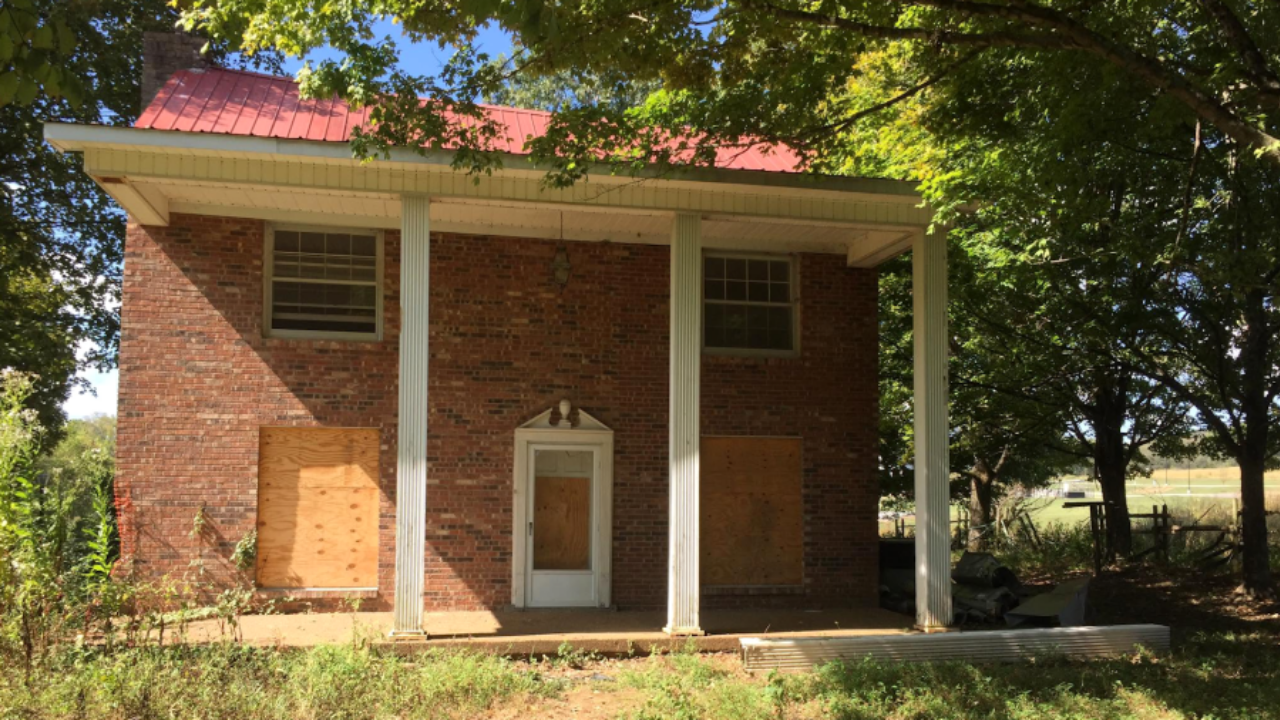
A significant heritage property in Tennessee, along with a substantial monetary bequest, has been transferred back to the descendants of its original benefactor after more than a decade of municipal inaction. The late 1700s residence and approximately $500,000 were initially donated to local government with explicit instructions to convert the property into a public park.
When local officials failed to honour the testamentary conditions within a reasonable timeframe, legal proceedings resulted in the property reverting to the donor's family heirs. The descendants now assume responsibility for the structural repairs and long-term preservation of the historic dwelling, which had remained largely unmaintained during the period of municipal stewardship.
The case underscores ongoing tensions between charitable donors and municipal authorities regarding heritage conservation. When local governments accept donated historical properties, they often assume complex obligations involving restoration standards, public access provisions, and financial management. Failure to fulfil these conditions can result in legal claims and the return of assets to heirs.
Experts in heritage management note that such situations frequently arise when municipalities lack dedicated funding or institutional capacity to maintain donated properties according to original specifications. The transfer of responsibility back to private heirs raises questions about the long-term preservation of historically significant structures and their accessibility to the broader public.