World · India Bureau
Tennessee farmer leases ancestral land for solar, preserves ownership and heritage
A Tennessee farmer has chosen to lease 100 acres of century-old family land for solar energy development rather than sell it outright, securing long-term income while maintaining family ownership. The decision reflects a broader trend of agricultural landowners seeking sustainable revenue alternatives amid farming pressures.
LSN India ·
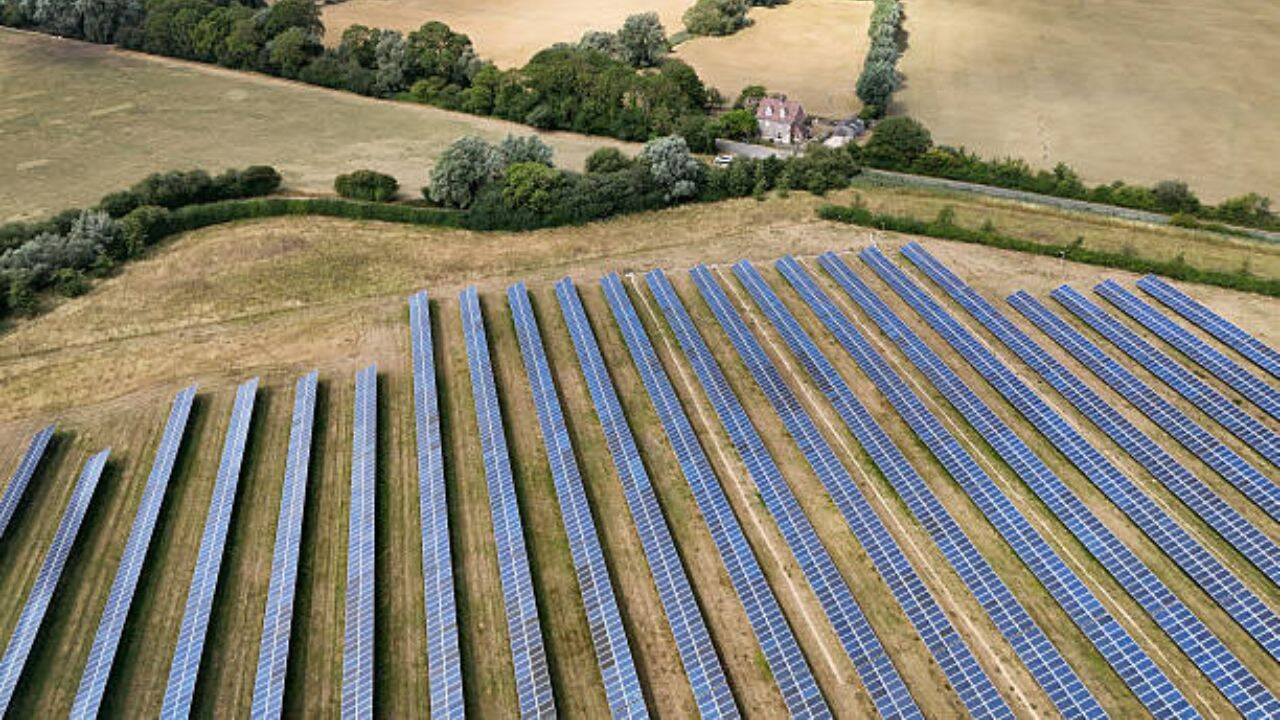
The farmer's choice to lease the property for the Yum Yum Solar facility, a 147-megawatt solar installation, became operational in May 2026. The arrangement provides a steady income stream that addresses mounting financial challenges in agriculture while allowing the family to retain ownership of land that has been in their possession for generations.
Solar leasing has emerged as an attractive option for rural landowners confronting squeezed farm margins and the threat of land fragmentation. By leasing rather than selling, farmers can generate revenue from their property without relinquishing title or losing the option to reclaim the land after the lease term concludes. This approach preserves the possibility of returning the property to agriculture or passing it intact to future generations.
The Yum Yum Solar project now supplies electricity to homes and businesses across the region, exemplifying the growing intersection of renewable energy development and agricultural land use. As energy companies seek suitable locations for large-scale solar installations, farmland increasingly offers viable alternatives to greenfield sites, creating new economic opportunities for rural communities.
The trend underscores how renewable energy infrastructure can coexist with land stewardship, providing farmers with financial resilience while contributing to regional decarbonisation goals. Industry analysts note that such arrangements are becoming more common as solar technology expands and landowners seek flexible options that balance immediate income needs with long-term family interests.