World · Malaysia Bureau
Terengganu sanctuary becomes regional hub for rare stingless bee conservation
Universiti Malaysia Terengganu's Bukit Kor repository has emerged as a significant conservation centre, housing 20 species of kelulut stingless bees while simultaneously restoring pollinator habitats and reviving endangered plant species.
LSN Malaysia ·
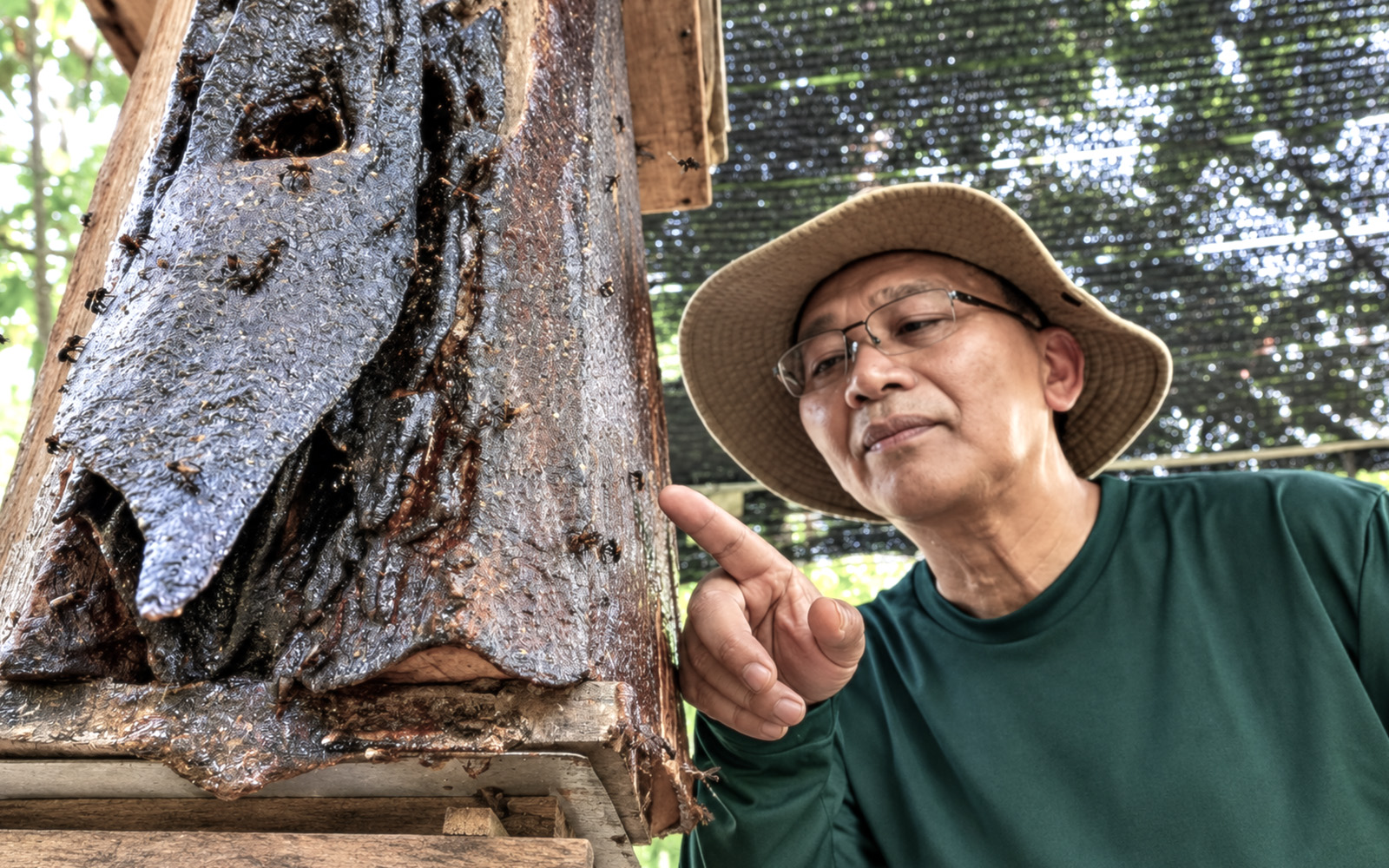
The facility at UMT has established itself as a vital refuge for Malaysia's diverse stingless bee populations, maintaining colonies of 20 distinct kelulut species within controlled environments. This repository represents a growing recognition of the ecological importance of these native pollinators, which play a crucial role in maintaining regional biodiversity and agricultural productivity.
Beyond bee conservation, the Bukit Kor site functions as a comprehensive botanical sanctuary. The facility has developed flowering gardens specifically designed to support pollinator populations, providing essential nectar and pollen sources throughout the year. These horticultural efforts extend beyond aesthetic purposes, serving as living laboratories for understanding pollinator-plant relationships in Southeast Asia.
A significant component of the sanctuary's work involves the resurrection of long-forgotten plant species. Through careful cultivation and documentation, researchers are reintroducing native flora that had largely disappeared from the region. This dual-focus approach—preserving both insect and plant species—addresses the interconnected nature of ecosystem restoration.
The initiative reflects broader regional efforts to address pollinator decline and habitat loss. By combining research, conservation, and education, the facility contributes to both scientific understanding and practical preservation strategies essential for maintaining Terengganu's natural heritage.