Politics · India Bureau
Texas Developer Demolishes $36 Million Florida Mansion Months After Purchase
A historic mansion in Florida's exclusive Coral Gables neighbourhood was razed just months after a Texas property mogul acquired it for $36 million, highlighting regulatory gaps in heritage protection that preserve advocates say enable unnecessary destruction of architecturally significant buildings.
LSN India ·
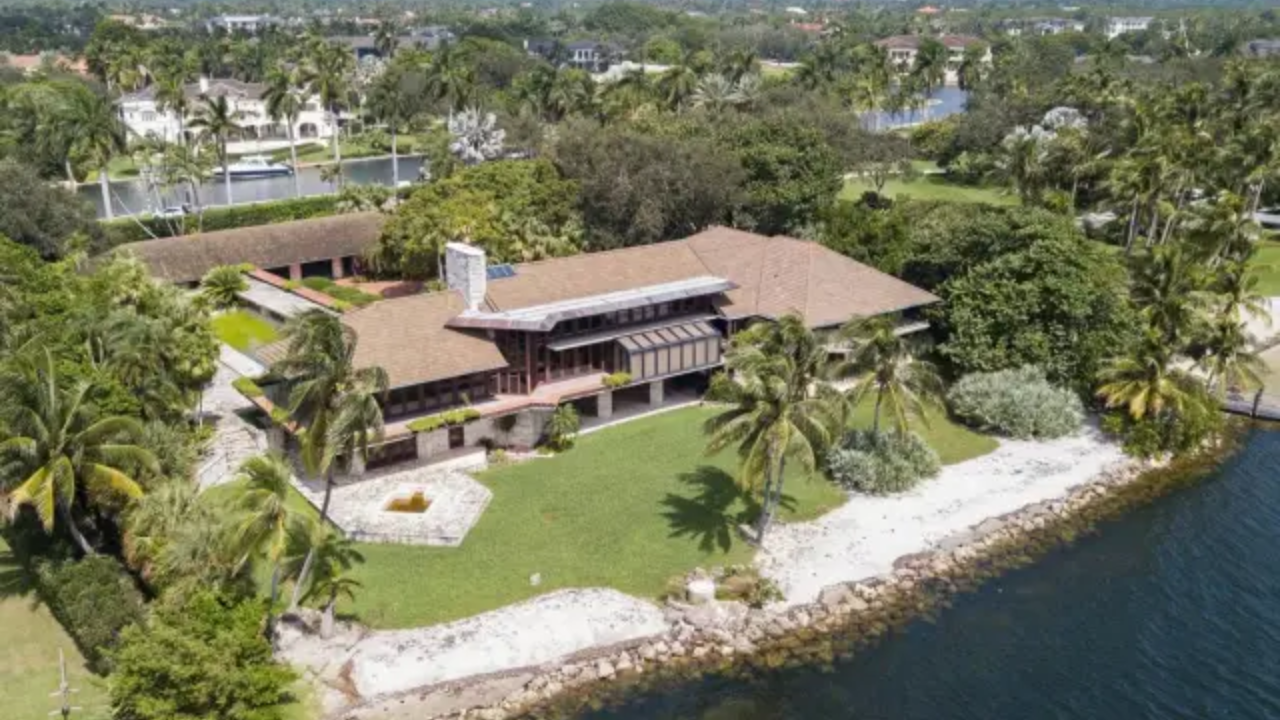
The Wood Residence, an 11,000-square-foot estate designed by renowned architect Alfred Browning Parker, was demolished by its new owner in what preservationists view as a troubling example of how market forces are reshaping South Florida's luxury real estate landscape. The mansion, which sold for $36 million in 2023, fell victim to demolition despite its architectural significance because it lacked formal historic landmark designation.
Local heritage advocates have expressed deep frustration with regulatory loopholes that permit such demolitions without mandatory public hearings or community input. The absence of formal protective status meant the property owner faced no legal obstacles to its removal, even as the structure represented an important example of mid-century modern residential design in one of Florida's most prestigious neighbourhoods.
The demolition reflects a broader trend sweeping through South Florida's property market, where soaring land values increasingly incentivise developers to raze existing structures and rebuild. In affluent areas like Coral Gables, demolitions of older homes have accelerated as investors calculate that vacant land commands premium prices for new construction, making historic preservation a secondary consideration in real estate calculations.
Preservation groups have renewed calls for stronger protections and mandatory review processes for architecturally significant properties, arguing that current regulations fail to prevent the loss of important cultural and design heritage. The case underscores tensions between property rights and community interests in maintaining distinctive architectural character in Florida's most sought-after residential enclaves.