World · India Bureau
Texas ranchers restore degraded land, revive wildlife habitat
Two friends have transformed a severely overgrazed 225-acre Texas ranch into thriving wildlife habitat through systematic ecological restoration. Their decade-long effort has not only brought native species back to the property but also inspired neighbouring landowners to participate in a broader habitat conservation initiative.
LSN India ·
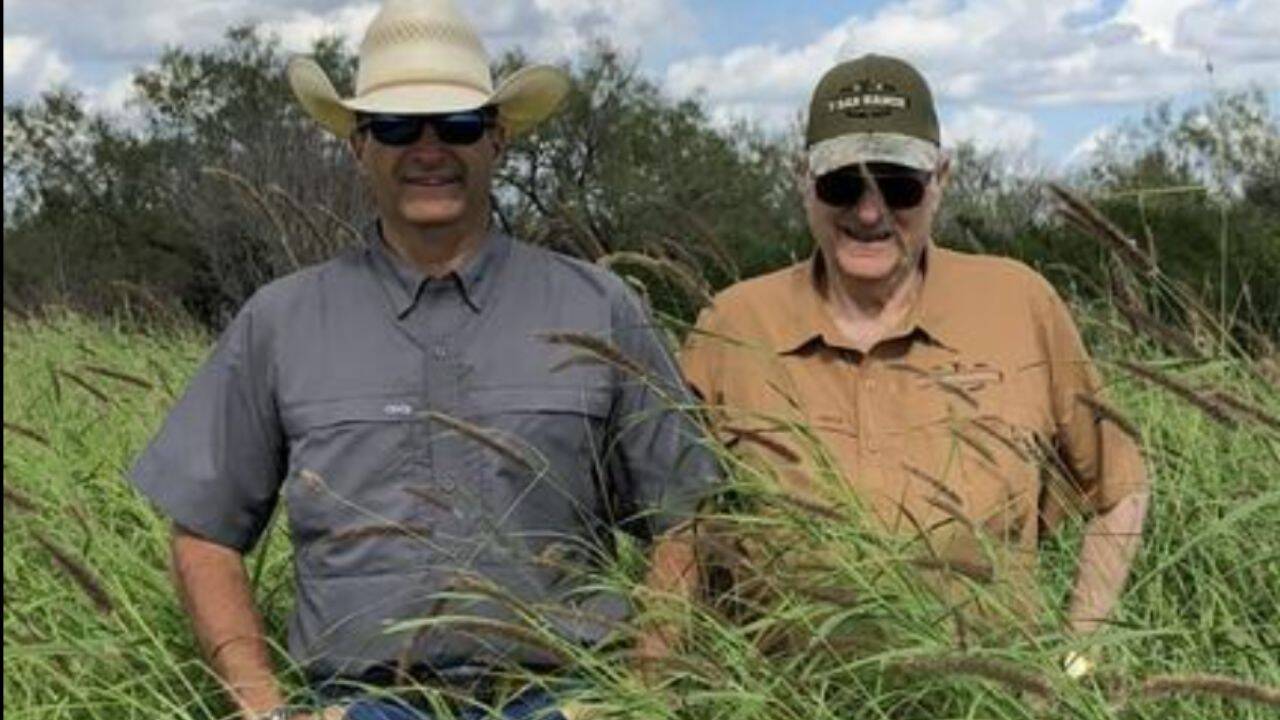
Jim Willis and John Webb purchased the degraded Texas ranch in 2000 when the property could sustain little beyond cattle grazing. The land showed severe signs of overuse, with native vegetation depleted and wildlife populations sparse. Rather than continue exploitative farming practices, the two friends embarked on an ambitious restoration programme that would gradually transform the landscape.
The restoration work included replanting native prairie grasses, establishing a five-acre wetland ecosystem, and planting 3,000 sand plum trees across the property. Equally important, Willis and Webb modified their grazing management practices to allow vegetation recovery and soil regeneration. These interventions addressed the root causes of the land's degradation while creating suitable conditions for wildlife return.
The ecological changes have proven remarkably successful. The ranch now supports populations of bobwhite quail, grassland bird species, deer, ducks and numerous other wildlife forms that had been absent from the overgrazed landscape. The restored habitat demonstrates the potential for private landowners to reverse environmental damage through sustained effort and scientific land management.
Beyond the immediate property boundaries, the restoration project has catalysed broader conservation action. The visible success of the Willis-Webb ranch has encouraged neighbouring landowners to adopt similar practices, leading to the development of a larger habitat corridor project across the region. This expansion shows how individual conservation efforts can inspire landscape-scale ecological recovery.