Business · India Bureau
Texas teen wins $150,000 for cancer drug research using clams
A 17-year-old American student has won a major science competition for her innovative research into cancer treatments using marine clams as an alternative to traditional animal testing. The breakthrough work demonstrates the potential of bivalves as ethical substitutes in pharmaceutical development.
LSN India ·
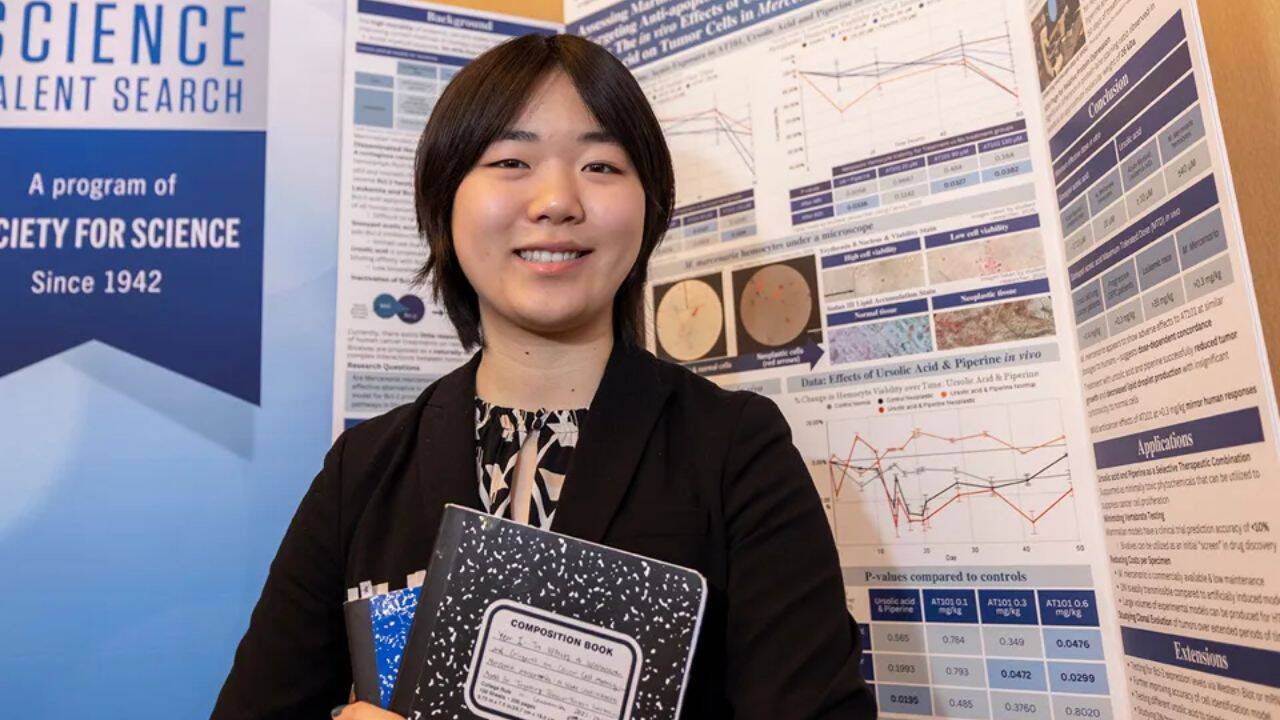
Iris Shen, a high school student from Texas, has claimed a $150,000 prize at a prestigious science competition for her novel approach to testing potential blood-cancer medications. Her research centred on using clams to evaluate drug candidates, leveraging the marine creatures' biological similarities to human cellular responses.
Shen's work addresses a critical challenge in pharmaceutical development: the ethical and financial burden of conventional animal testing models. By demonstrating that clams exhibit cellular reactions comparable to those observed in human cells when exposed to experimental cancer treatments, she has identified a promising alternative that could accelerate drug discovery while reducing reliance on traditional laboratory animals.
The findings suggest that marine bivalves offer a practical, cost-effective platform for preliminary drug screening. Clams' physiological responses to pharmaceutical compounds mirror relevant human biological processes, making them suitable candidates for early-stage testing phases. This approach could streamline the path from laboratory research to clinical trials while addressing growing concerns about animal welfare in scientific research.
Shen's achievement underscores how young researchers are contributing innovative solutions to longstanding problems in medical science. Her work may influence how pharmaceutical companies approach initial drug safety and efficacy assessments in coming years, potentially reshaping standard protocols in cancer research and treatment development.