World · Malaysia Bureau
TH's Financial Woes Ripple Through Malaysian Economy, Economists Warn
Financial difficulties at state-linked investment company Tabung Haji are constraining broader economic growth, with spillover effects hitting suppliers, contractors and small businesses. Economists caution that the substantial rescue package diverts critical resources from other economic priorities.
LSN Malaysia ·
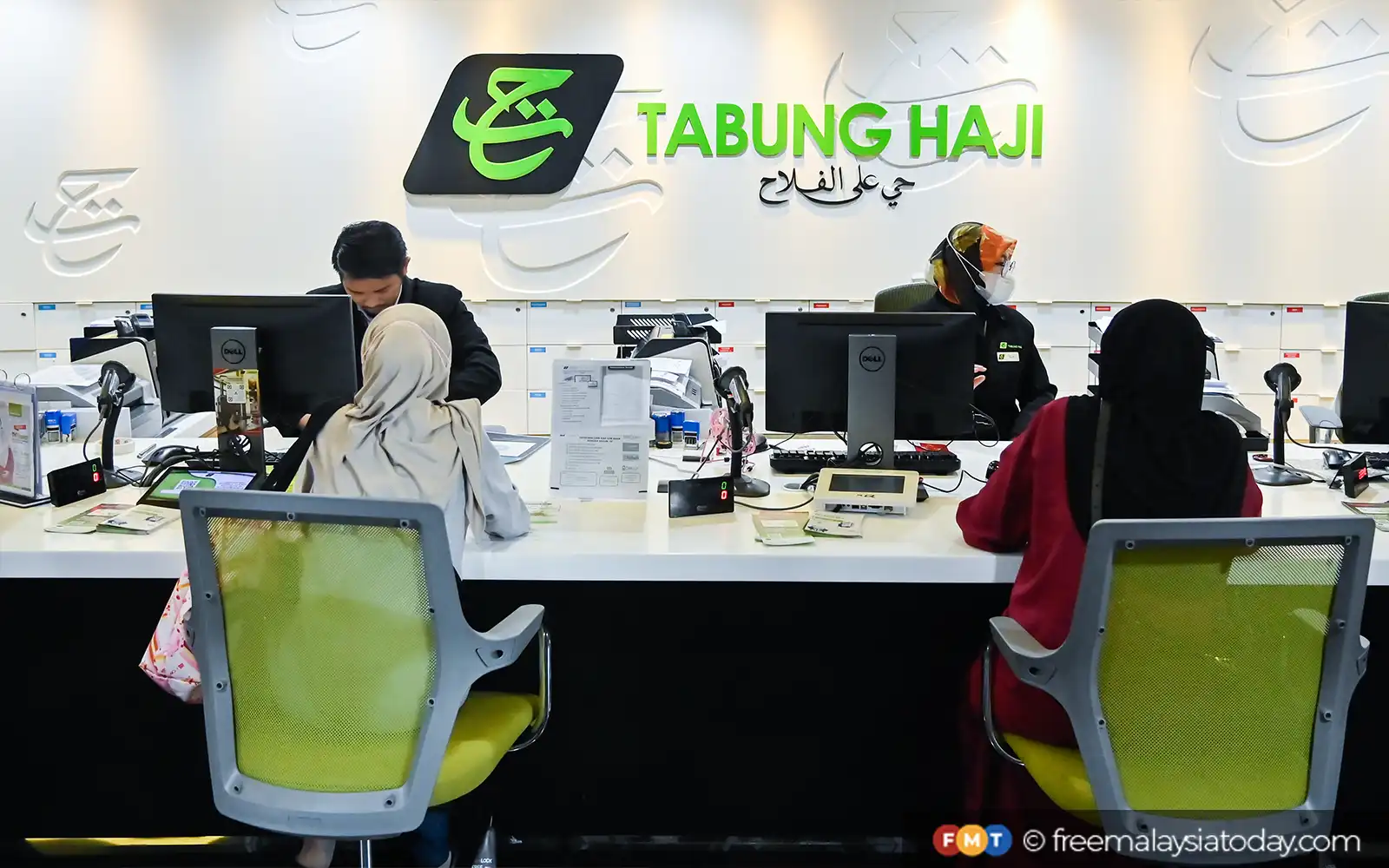
The financial distress at Tabung Haji (TH) extends well beyond the pilgrimage fund itself, creating a drag on Malaysia's wider economy, according to economic analysts. The ripple effects are being felt acutely by suppliers, contractors and small and medium enterprises that depend on TH's business activities and procurement contracts.
Economist Harridon Suffian highlighted how TH's mounting financial pressures have constrained spending across its operational ecosystem, forcing businesses reliant on the organisation to tighten their own operations. The vulnerability of smaller firms to these disruptions underscores the interconnected nature of Malaysia's corporate landscape.
Beyond direct business impacts, the substantial government funding required to stabilise TH has raised concerns about resource allocation. The bailout package represents a significant commitment of public funds that economists argue could otherwise be deployed toward key economic development initiatives and growth drivers.
The situation reflects broader challenges in managing state-linked entities and highlights the potential for financial difficulties at major institutions to transmit across the broader business environment. Policymakers face the dual challenge of shoring up TH while ensuring that rescue efforts do not unduly constrain investments in other critical economic areas.