Technology · India Bureau
Thackeray cousins target youth discontent in grassroots political push
Uddhav Thackeray and his cousin Raj are leveraging generational grievances among Gen Z voters as part of a broader strategy to rebuild grassroots political strength. The approach signals a shift in how the Shiv Sena faction is attempting to reconnect with younger constituencies.
LSN India ·
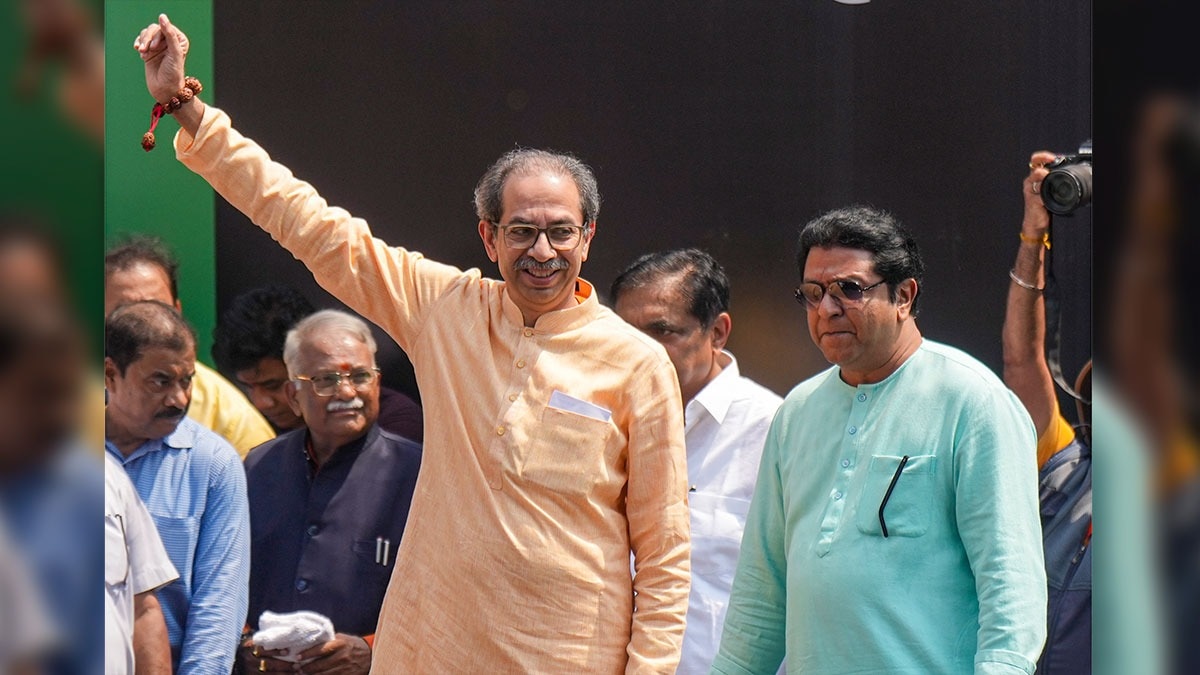
The political realignment within Maharashtra's Shiv Sena has prompted senior leaders to reassess their organizational strategy, with Uddhav Thackeray and his cousin Raj focusing on mobilizing youth disaffection as a foundation for revival. Political observers note the move reflects recognition that younger voters, grappling with employment challenges, education concerns, and economic frustration, represent an untapped demographic for grassroots mobilization.
The cousins' strategy involves positioning their faction as responsive to issues resonating with Generation Z voters, including livelihood insecurity and social anxieties. By anchoring their revival efforts to youth-centric grievances, the Thackeray camp aims to build organizational momentum from the ground up rather than relying solely on traditional party structures.
This approach mirrors broader patterns across Indian politics, where parties increasingly attempt to connect with younger voters by addressing their specific concerns. The Thackeray faction's focus on Gen Z suggests an attempt to recalibrate their political messaging and build a constituency that extends beyond traditional support bases.
Political analysts indicate that sustained organizational efforts targeting youth could reshape the competitive dynamics in Maharashtra politics, particularly if the strategy successfully translates grassroots mobilization into electoral outcomes. The coming election cycles will provide a critical test of whether this generational focus yields tangible political gains for the Thackeray cousins.