Politics · Thailand Bureau
Thai co-payment scheme drives consumer spending on food, household goods
A government survey reveals that Thai participants in the 'Thais Helps Thais Plus' stimulus program are primarily using their benefits to purchase daily essentials and prepared foods, boosting domestic consumption.
LSN Thailand ·
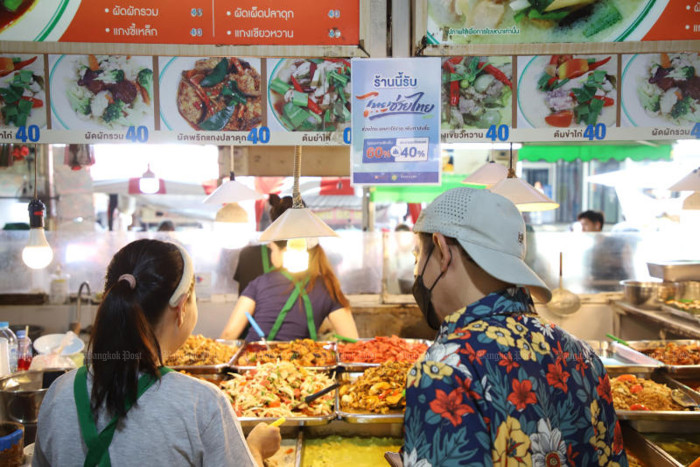
The Trade Policy and Strategy Office (TPSO) has completed a comprehensive assessment of spending patterns under Thailand's "Thais Helps Thais Plus (60/40)" co-payment initiative, providing insights into how the scheme is influencing consumer behavior across the kingdom.
According to the TPSO survey findings, participating Thais are channeling the majority of their stimulus benefits toward ready-to-eat food products and essential household items. The data indicates that these two categories dominate spending choices among scheme participants, reflecting consumer priorities during the economic stimulus period.
The 60/40 co-payment program, which matches government contributions with consumer spending in a 60-40 ratio, was designed to stimulate domestic economic activity while supporting household consumption. The survey results demonstrate that the initiative is achieving its intended effect of encouraging spending among participants, though primarily in essential rather than discretionary categories.
The findings provide policymakers with concrete evidence of how stimulus funds are circulating through Thailand's economy and which sectors are benefiting most from increased consumer activity generated by the co-payment scheme.