World · India Bureau
Thai fishing pier altered coastline dramatically over 13 years
A comprehensive study has revealed how a single fishing pier in Thailand reshaped the surrounding coastal geography through sand accumulation and erosion patterns. The research documents significant environmental changes that occurred along the shoreline over more than a decade.
LSN India ·
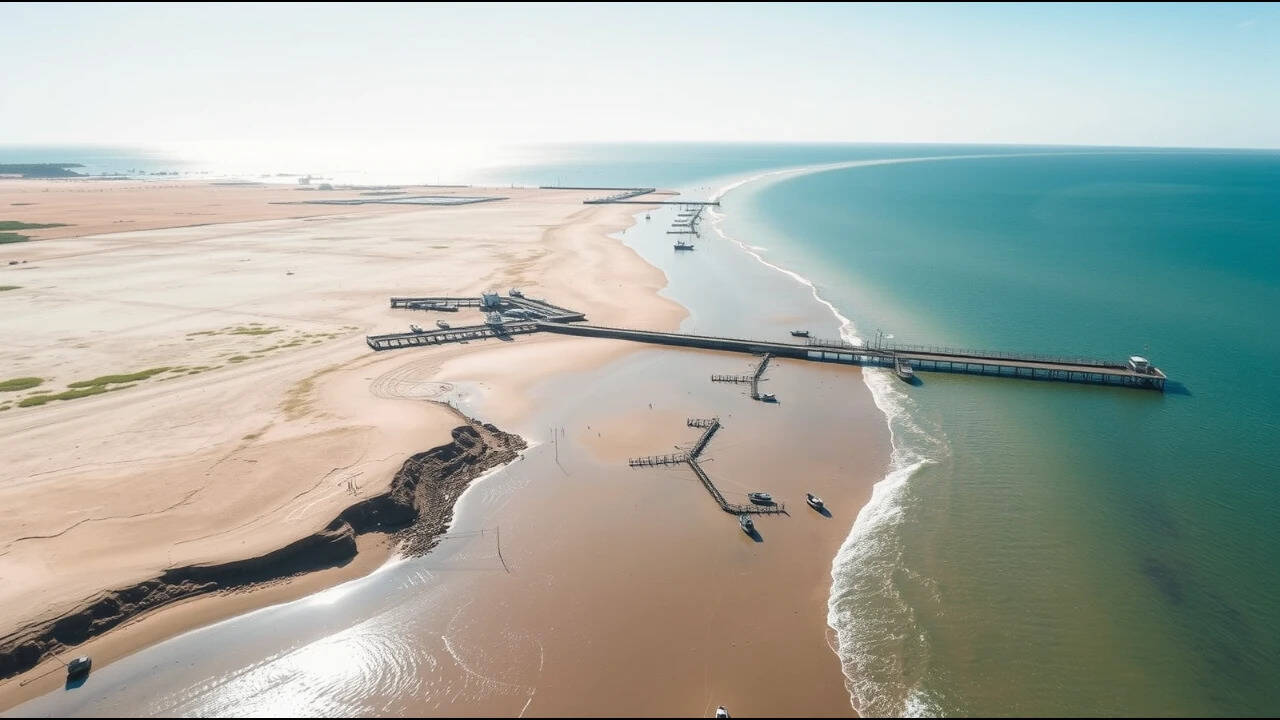
Researchers studying coastal dynamics in Thailand have documented how a fishing pier fundamentally altered the region's coastline through naturally occurring sediment processes over a 13-year period. The structure, built to facilitate fishing operations, inadvertently created conditions that led to substantial changes in the distribution of sand and sediment along the adjacent shores.
The study employed satellite imagery and bathymetric surveys to track the morphological changes on either side of the pier. On the updrift side, sand accumulated significantly as wave action and currents deposited sediment, while the downdrift section experienced notable erosion as the pier disrupted natural sediment transport patterns along the coast.
Scientists noted that the transformation reflects broader principles of coastal engineering and sediment dynamics familiar to coastal management professionals across South and Southeast Asia. The research demonstrates how human-made structures, even those built for practical purposes, can have cascading environmental consequences that extend far beyond their immediate footprint.
The findings carry implications for future infrastructure development in coastal zones, particularly in regions where fishing communities depend on pier facilities. Researchers suggest that understanding these sediment dynamics could inform better planning and design of coastal structures to minimize unintended environmental impacts while meeting community needs.
The study adds to growing evidence that careful consideration of coastal geomorphology is essential when planning maritime infrastructure projects in the region.