World · India Bureau
Thai study reveals elephants' remarkable problem-solving abilities with hidden food
Researchers in Thailand have demonstrated that Asian elephants possess significant cognitive flexibility, successfully learning to locate and retrieve concealed fruits from opaque containers. The findings suggest elephants can adapt their feeding strategies when faced with obstacles, a trait that may prove crucial for reducing human-wildlife conflict.
LSN India ·
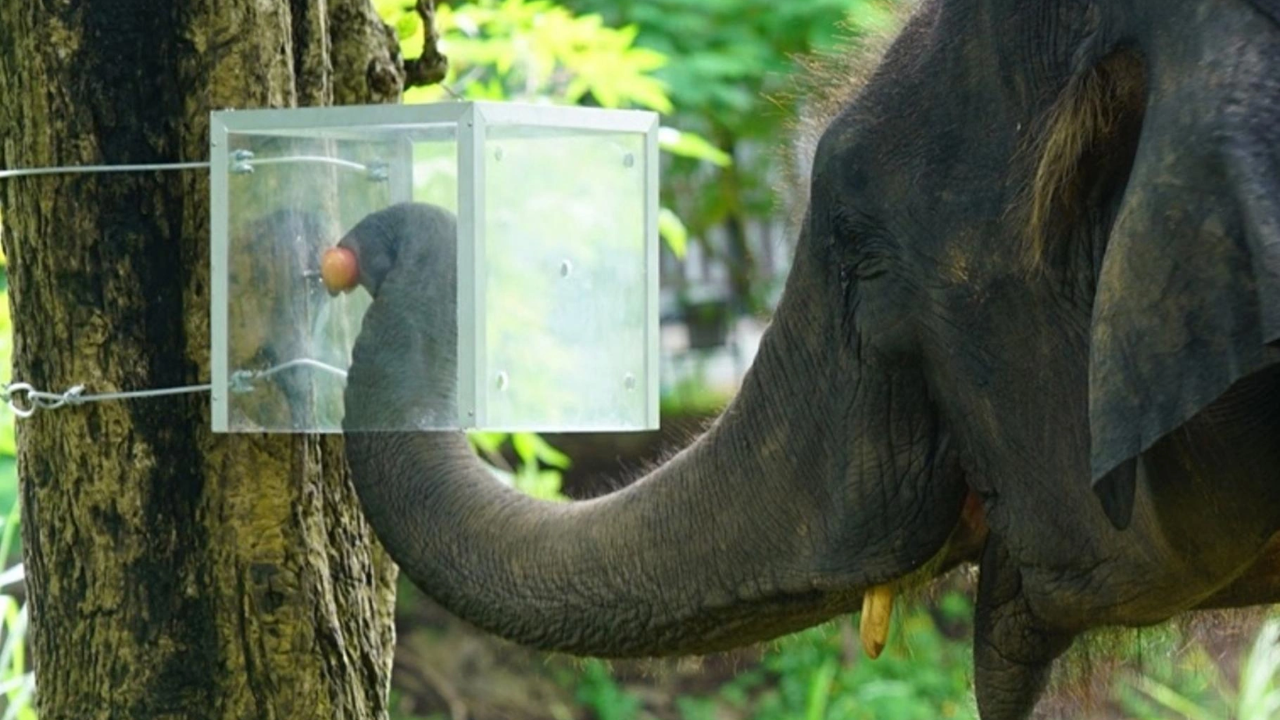
Scientists conducting behavioral research in Thailand presented 16 Asian elephants with a novel foraging challenge: fruits hidden inside opaque boxes. The elephants demonstrated their capacity to learn and adapt, successfully navigating the containers to access the hidden rewards. The study underscores the cognitive sophistication of these large mammals and their ability to modify feeding techniques when conventional methods prove ineffective.
The research highlights a critical distinction in how elephants respond to environmental obstacles. Rather than persisting with direct feeding approaches, the animals showed behavioral flexibility by adopting indirect methods to obtain food. This adaptive capacity suggests elephants possess problem-solving abilities that extend beyond instinctive responses, indicating a level of cognitive complexity comparable to other highly intelligent species.
However, the study revealed age-related variations in learning capacity. Older elephants demonstrated slower reflexes and found it more challenging to adapt their feeding strategies compared to younger individuals. This variation reflects natural declines in cognitive processing and physical agility that accompany aging in the species.
Experts suggest these findings have practical implications for wildlife management in Asia. Understanding elephants' behavioral flexibility and learning capabilities could inform strategies aimed at reducing conflicts between expanding human settlements and wild elephant populations. By recognizing these animals' cognitive abilities, conservation efforts may be designed to encourage coexistence rather than confrontation in shared landscapes.