Politics · India Bureau
Thai teenager creates artificial nests to protect endangered hornbills
A 17-year-old student in Thailand has developed innovative nesting structures made from recycled plastic to aid conservation efforts for the region's endangered hornbill population. The initiative addresses critical habitat loss facing the species across Southeast Asia.
LSN India ·
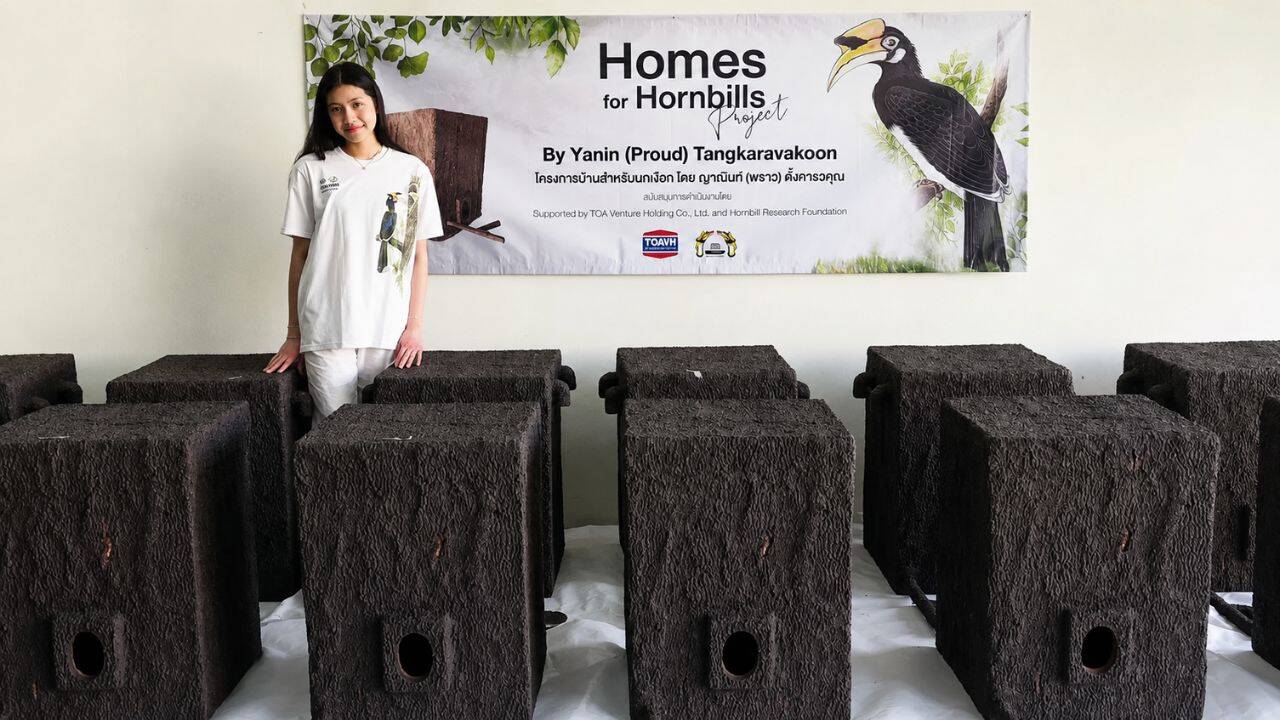
The young innovator has engineered artificial nests designed to replicate natural hornbill habitats, utilizing plastic materials that would otherwise contribute to environmental waste. The project represents a practical solution to one of the key challenges facing hornbill conservation in Thailand, where deforestation and habitat destruction have significantly reduced nesting opportunities for the bird species.
Hornbills play an important ecological role in Southeast Asian forests as seed dispersers and indicators of forest health. Several hornbill species across the region are classified as vulnerable or endangered, with their populations declining due to loss of suitable nesting sites in old-growth forests.
The student's approach demonstrates how innovative thinking and resource efficiency can contribute to wildlife conservation objectives. By converting plastic materials into functional nesting structures, the project simultaneously addresses habitat scarcity and tackles plastic pollution—two critical environmental challenges facing the region.
The initiative has drawn attention from conservation organizations and environmental advocates across Southeast Asia, highlighting the potential for youth-led solutions in protecting endangered species. The artificial nests have been tested in field conditions to ensure they meet the specific nesting requirements of hornbill populations in Thailand.