Business · Thailand Bureau
Thailand and China agree tougher durian export rules to protect multibillion-dollar trade
A new plant health protocol tightens pest control and traceability from orchard to border as Thai durian shipments to China surge past last year's total.
LSN Thailand ·
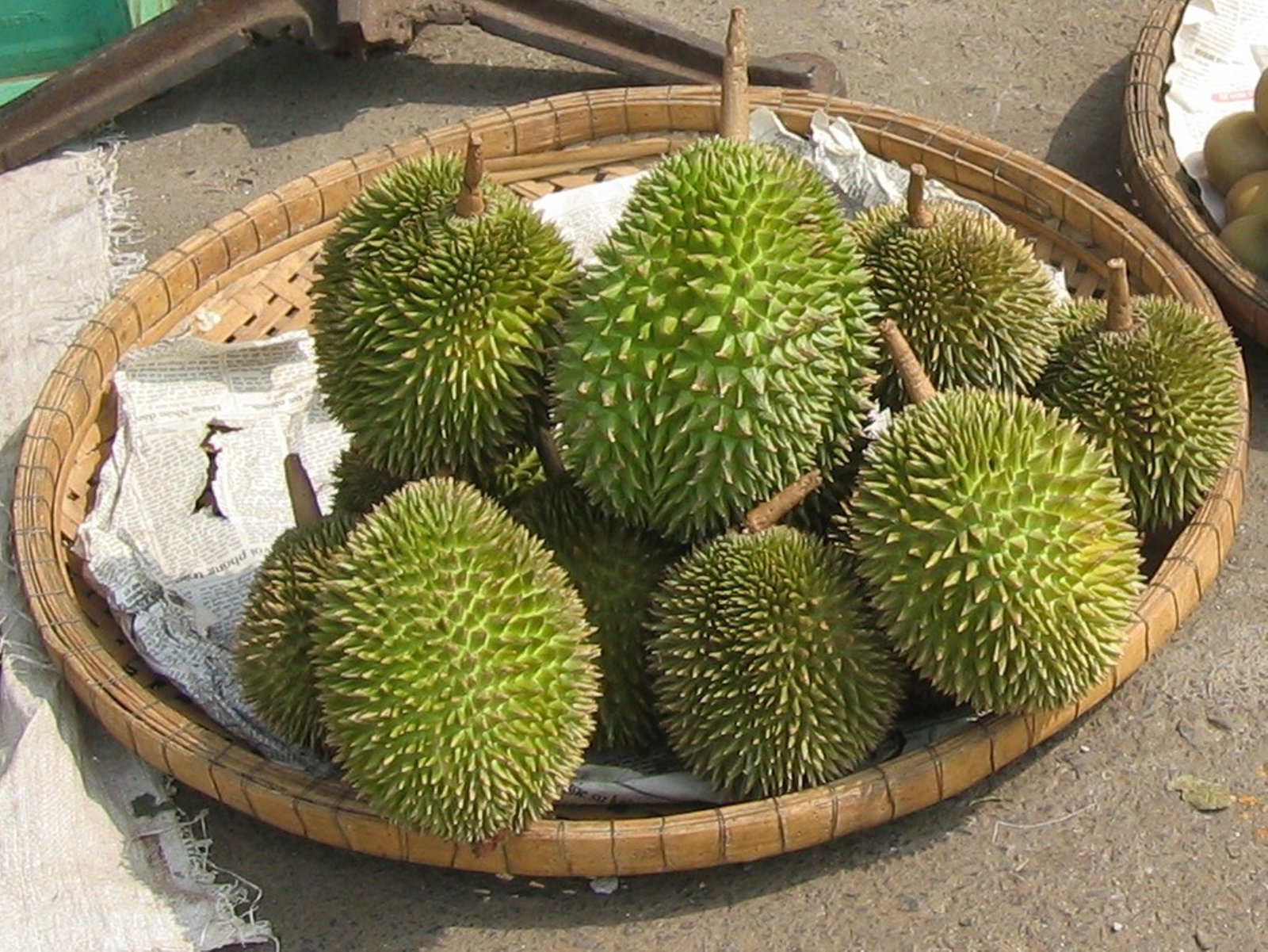
<p>Thailand and China have signed a new protocol setting updated plant health requirements for fresh Thai durian sold to China, in a bid to speed up customs clearance and cut the risk of shipments being held at the border, Thailand's Commerce Ministry said on Sunday (22 November), as reported by The Nation and the South China Morning Post.</p>
<p>The protocol, agreed between Thailand's Ministry of Agriculture and Cooperatives and China's General Administration of Customs (GACC), replaces the previous agreement. It was among eight cooperation documents signed during Chinese Premier Li Qiang's visit to Thailand from 13 to 15 November. The Thai cabinet approved the protocol, along with a separate one for fresh santol, on 10 November, according to Thairath.</p>
<p>Under the new rules, growers and operators must follow Good Agricultural Practices (GAP), integrated pest management and packing-house standards, and keep records that allow each consignment to be traced from orchard to export. Fruit must be inspected and carry a phytosanitary certificate before it leaves Thailand.</p>
<p>The ministry said the measures were meant to build confidence among Chinese buyers, ease customs procedures and reduce the risk of Thai durian being suspended at Chinese checkpoints. Quality problems linked to cadmium contamination have hurt confidence in Thai durian exports, The Nation reported.</p>
<p>China is by far Thailand's biggest durian market. Thailand exported 979,145 tonnes of fresh durian worth about US$3.83 billion in 2025, with China taking around 97% of the value. In the first nine months of 2026, exports reached 1.24 million tonnes worth about US$4.69 billion, of which about US$4.62 billion went to China, already more than the whole of last year.</p>
<p>The Trade Policy and Strategy Office urged growers to check the full text of the protocol and its effective date once published, register or renew GAP certification, and upgrade traceability systems linking orchards, packing houses and border checkpoints. It also advised exporters to look for new markets to reduce reliance on China.</p>
<p>Sources: The Nation, South China Morning Post, Thairath English.</p>