World · Thailand Bureau
Thailand, Laos, Myanmar to establish joint air quality monitoring network
The three Southeast Asian nations are moving forward with plans to create a coordinated haze monitoring system to better track and respond to regional air pollution. The initiative aims to strengthen cross-border cooperation on environmental management.
LSN Thailand ·
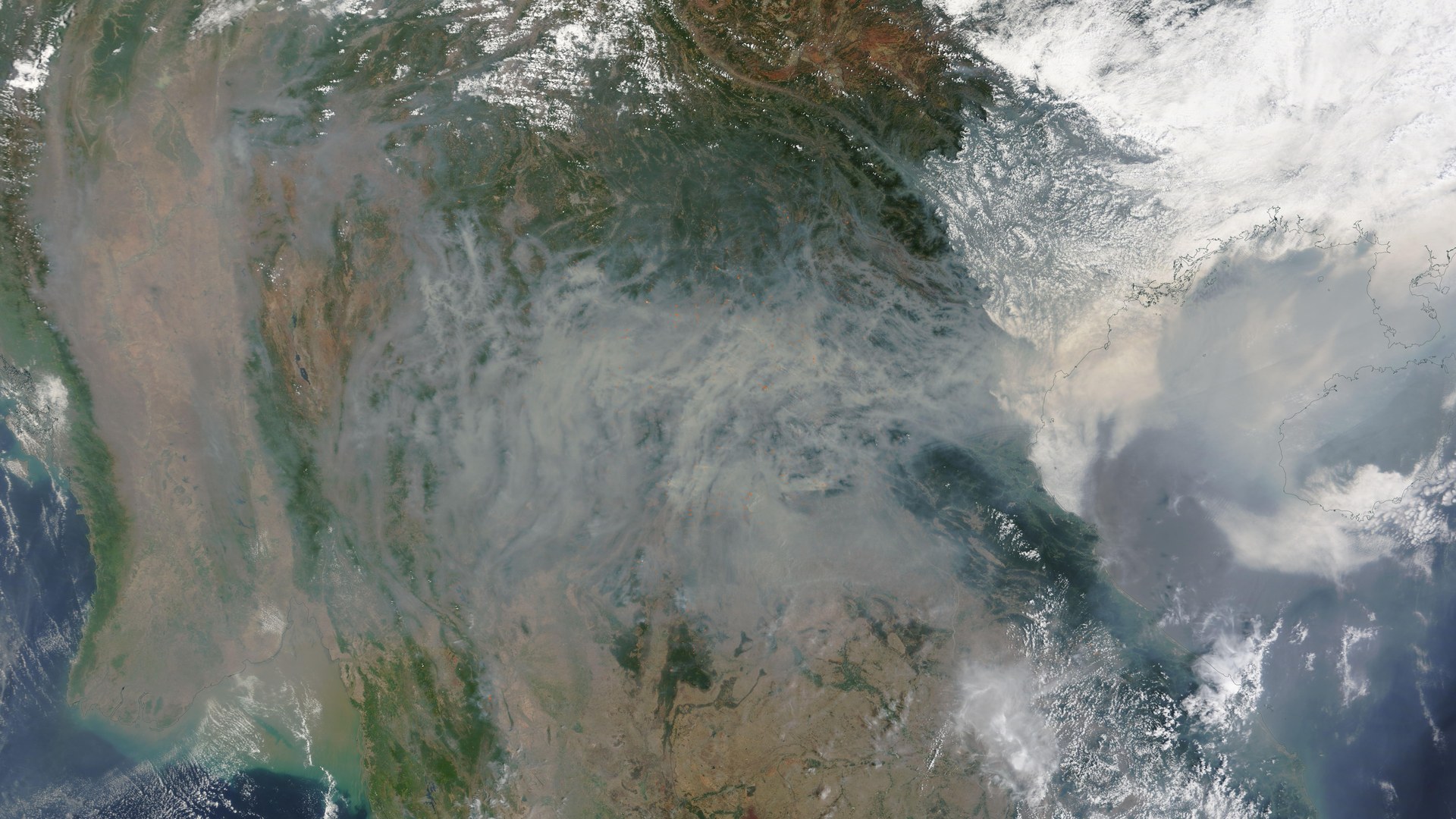
Thailand, Laos, and Myanmar are advancing efforts to establish a shared monitoring system for tracking haze and air quality across their borders, according to officials from the three countries. The collaborative framework is intended to provide real-time data on transboundary air pollution and improve early warning capabilities during seasonal haze events.
The proposed system would integrate existing air quality monitoring infrastructure in each nation while establishing common standards for data collection and reporting. By creating a unified platform for sharing information, the three countries hope to better understand pollution patterns and sources affecting the region, which frequently experiences severe haze during the dry season.
Regional haze poses significant challenges to public health and economic activity throughout Southeast Asia. Seasonal agricultural burning, industrial emissions, and natural factors contribute to air quality degradation that affects millions of residents across Thailand, Laos, and Myanmar. Officials believe coordinated monitoring will enhance their ability to implement timely mitigation measures.
The initiative reflects growing recognition among the three nations that transboundary air pollution requires collaborative solutions. Details regarding the system's implementation timeline, funding mechanisms, and technical specifications are expected to be finalized through ongoing bilateral and multilateral discussions among environmental and meteorological authorities.
Photo: Smoke from hundreds of fires blankets mainland Southeast Asia, including Thailand, Laos and Myanmar, seen by NASA's Terra satellite, 6 April 2023. MODIS Land Rapid Response Team, NASA GSFC, via Wikimedia Commons (public domain).