Politics · Thailand Bureau
Thailand orders emergency clean water for 20,000 Chiang Rai households after arsenic found in Sai River
Prime Minister Anutin Charnvirakul has told agencies to secure safe drinking water for 14 border villages in Mae Sai, where arsenic in the river feeding the local waterworks has disrupted tap supplies.
LSN Thailand ·
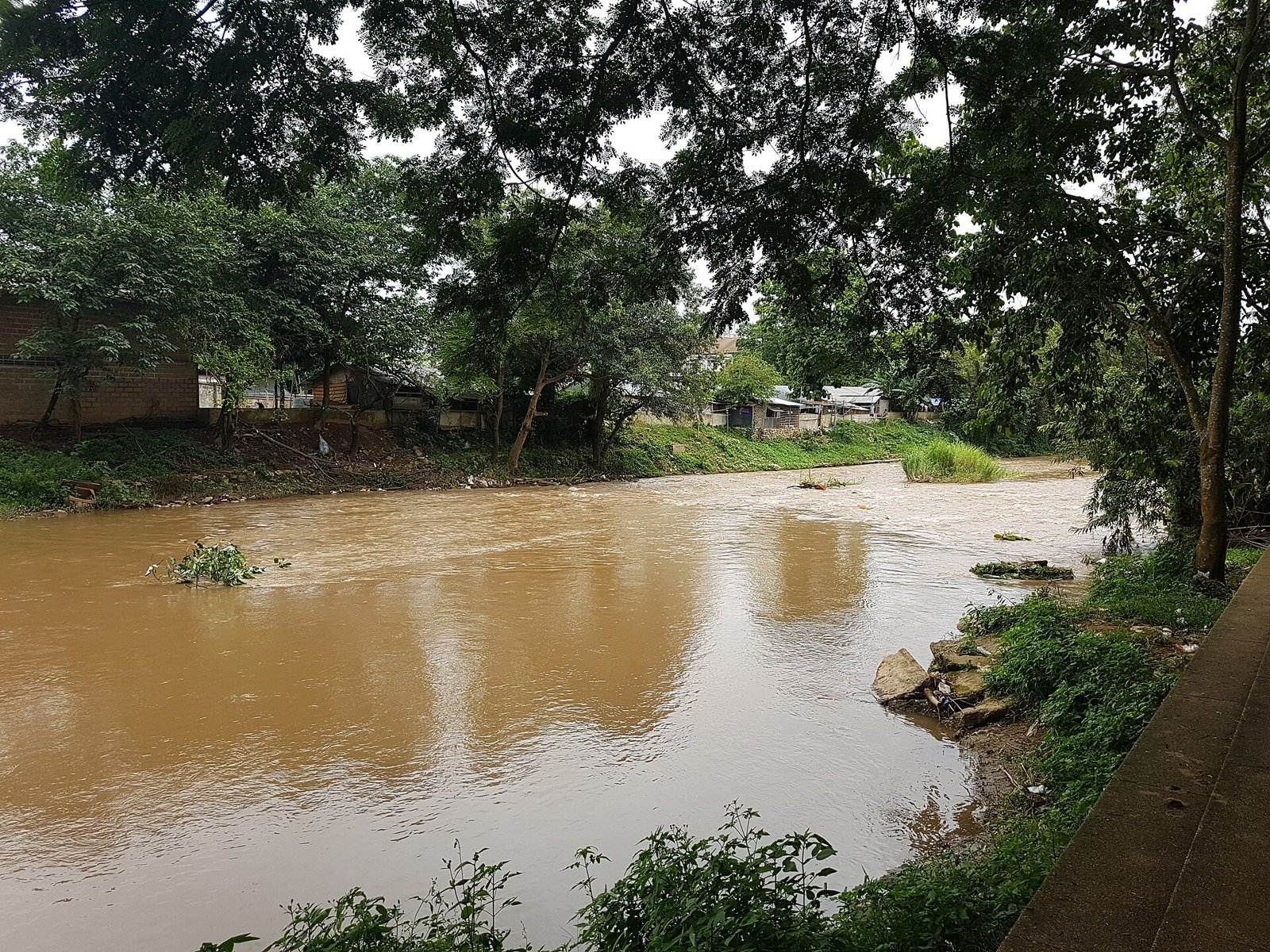
<p>Thai authorities moved on Wednesday to supply safe drinking water to more than 20,000 households in Chiang Rai province after arsenic contamination in the Sai River disrupted tap water in villages along the Myanmar border.</p>
<p>Prime Minister Anutin Charnvirakul, who is attending the ASEAN-US summit in Manila, ordered government agencies late on Tuesday to find alternative water sources and closely monitor tap water quality in the province, deputy government spokeswoman Lalida Persvivatana said, according to CNA.</p>
<p>Tap water to 14 villages in Mae Sai district was cut back earlier this month after officials found arsenic in the local waterworks at about 30 times the safe limit, the government said. Later tests found arsenic in untreated Sai River water at 25 times the drinking-water limit. Two water trucks have been sent to supply residents, and officials are studying other river sources.</p>
<p>The Nation reported that the Provincial Waterworks Authority cut supplies to 60 per cent on 5 November when arsenic and extremely high turbidity overwhelmed its treatment plant, and that supply had since recovered to about 80 per cent. Residents described cloudy, reddish tap water and skin irritation, and many have switched to bottled water and stopped eating fish from the river.</p>
<p>Anutin also asked the waterworks authority to publish its test results and explain its treatment process to residents, The Thaiger reported. Agriculture Minister Suriya Juangroongruangkit told the Department of Fisheries to check this week whether contaminants have entered the food chain, while the Public Health Ministry advised people to avoid contact with river water and sediment.</p>
<p>Deputy Prime Minister Yotchanan Wongsawat met researchers, who proposed four steps: installing water filters, handing out portable test kits, building check dams to trap polluted sediment and drawing up risk maps to trace the spread of the arsenic.</p>
<p>The Sai River, a tributary of the Mekong, forms part of the Thailand-Myanmar border. Suspicion has focused on mining upstream in Myanmar's Shan State, though officials say the source has not been confirmed. A delegation from Myanmar's natural resources ministry is due to meet Thai environment officials on 25 and 26 November, according to The Thaiger, citing Thai PBS.</p>