Politics · Thailand Bureau
Thailand presses China and Myanmar over mining pollution in Chiang Rai rivers
Senators and the opposition People's Party want direct talks with Beijing as arsenic contamination in the Sai and Kok rivers disrupts water supplies.
LSN Thailand ·
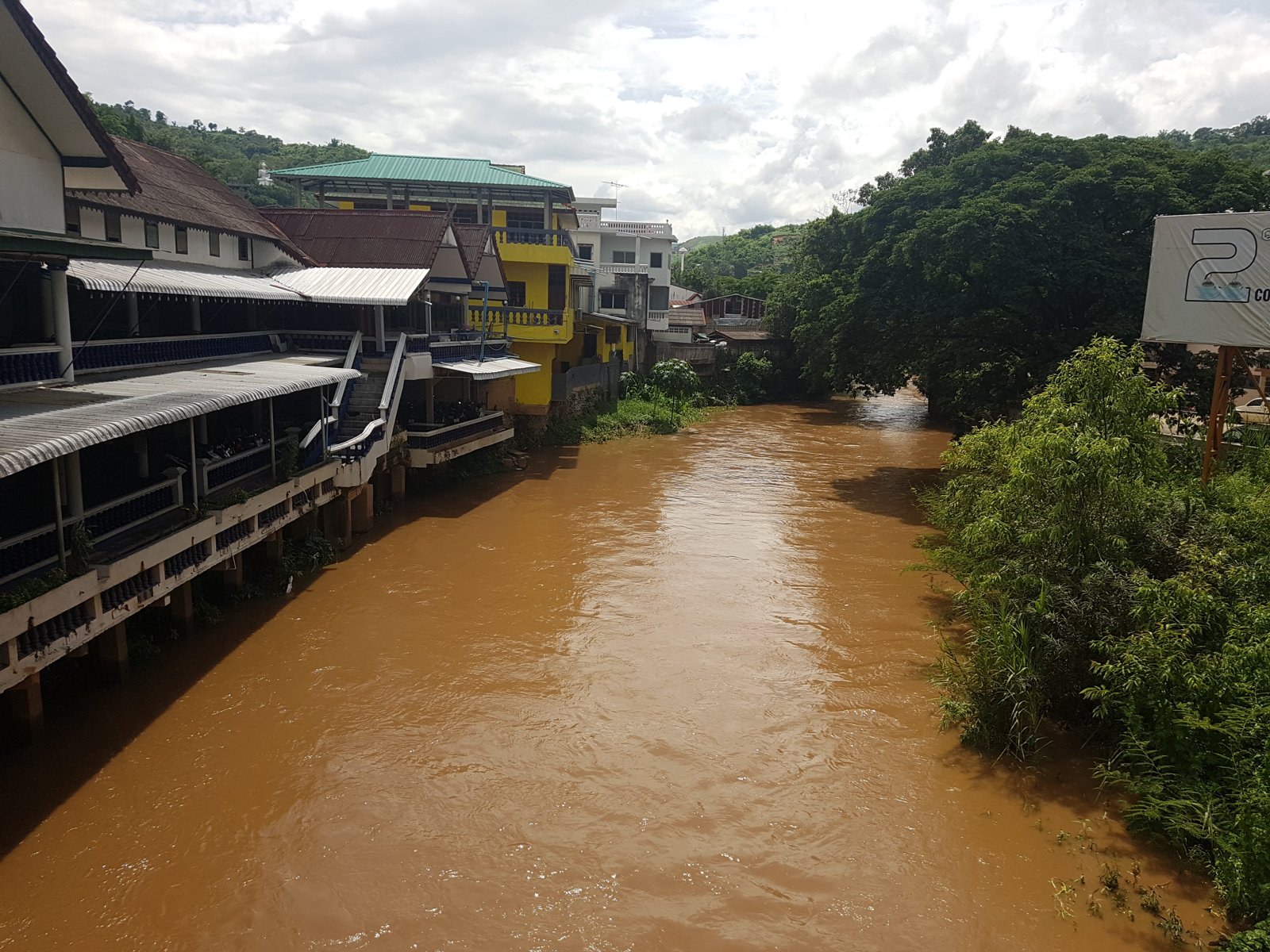
<p>Pressure is mounting on the Thai government to act on arsenic and heavy-metal contamination in the Kok and Sai rivers in Chiang Rai, which authorities link to unregulated mining across the border in Myanmar's Shan State.</p>
<p>Senators and the opposition People's Party have urged the government to seek direct talks with China and to investigate companies linked to the mines, the Bangkok Post reported on Tuesday (17 November). Critics also accused ministers of staging publicity visits instead of delivering solutions.</p>
<p>Deputy Prime Minister Yodchanan Wongsawat, who visited Mae Sai district on Sunday, said Thailand wants mines in Myanmar to build dykes to hold back contaminated waste, and that his ministry would ask Chinese scientists to help verify test results. Prime Minister Anutin Charnvirakul said he had raised the issue with Chinese Premier Li Qiang.</p>
<p>Deputy Interior Minister Jeset Thaiset, after inspecting the border area opposite Chiang Rai, identified at least 10 additional cleared mining sites and warned the operations could double within a year, according to Thaiger. Thailand plans to raise the matter in discussions with Chinese officials that run until 18 November.</p>
<p>The contamination has already hit households. The Provincial Waterworks Authority cut supplies to 14 villages in Mae Sai and Wiang Phang Kham subdistricts on 5 November after detecting arsenic above the standard and extreme turbidity in raw water, The Nation reported. Supplies later recovered to about 80%, and the authority is preparing to draw water from alternative rivers.</p>
<p>Pollution Control Department monitoring found arsenic in the Sai River reached about 28 times the national safety limit in early August. Foreign Minister Sihasak Phuangketkeow has said Myanmar must address mining on its own territory, building on an earlier agreement to set up a joint working group on water quality.</p>