Business · Thailand Bureau
Thailand proposes ending gasohol 91 sales by end-2027 and making E20 standard petrol
A draft national oil plan would push higher-ethanol E20 petrol and B20 diesel to soak up surplus farm crops. It is open for public comment until 27 November and still needs Cabinet approval.
LSN Thailand ·
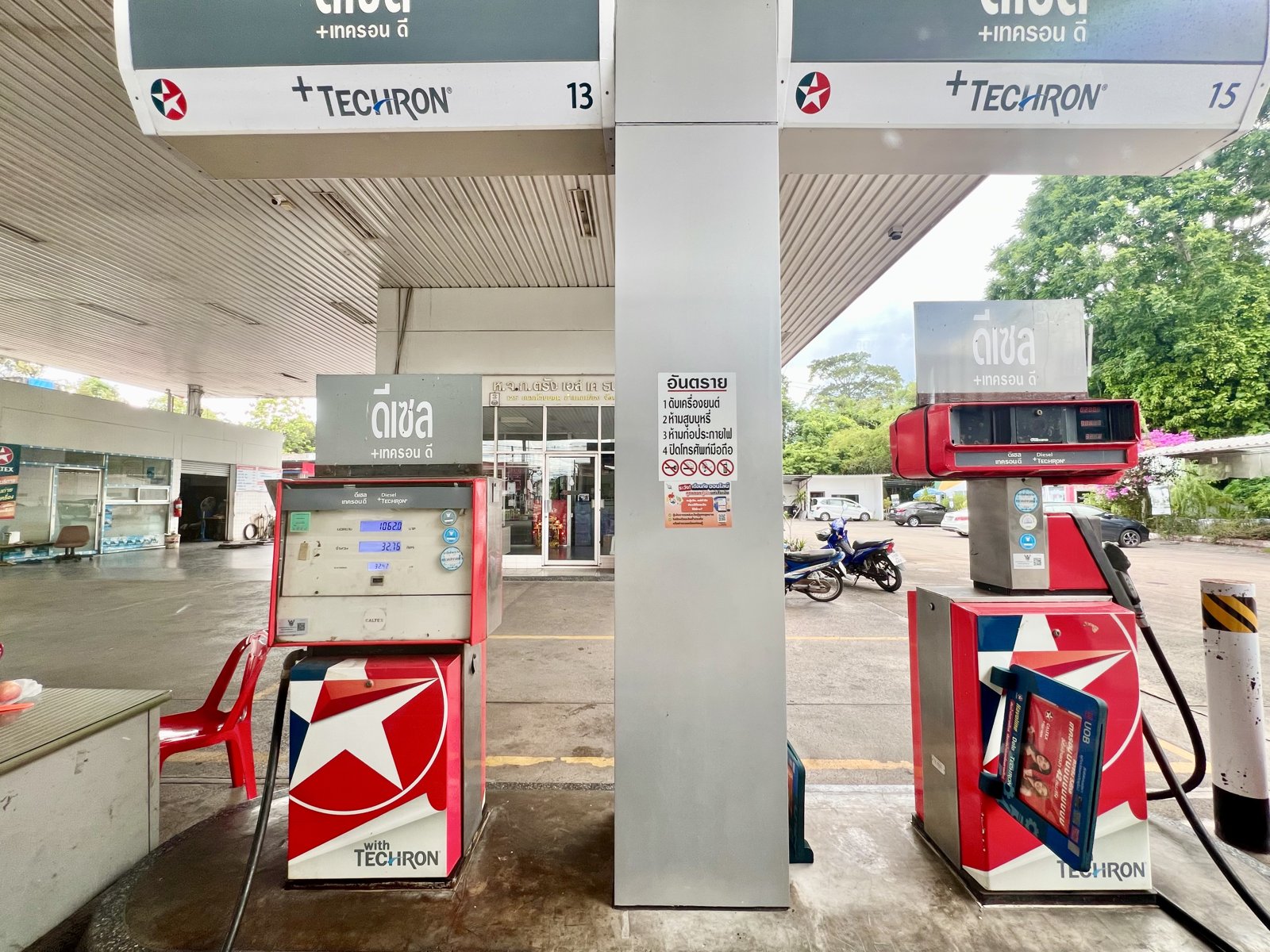
<p>Thailand's Energy Ministry has proposed stopping sales of gasohol 91 by the end of 2027 and making 95-octane E20, a petrol blend containing 20% ethanol, the country's standard petrol.</p>
<p>The target is part of a draft fuel plan covering 2026 to 2050, known as Oil Plan 2026, which the Department of Energy Business presented at a public hearing at Chulalongkorn University in Bangkok on 19 November. Deputy director-general Wuttitat Tantivess outlined the proposals. An earlier version of the plan had aimed to withdraw gasohol 91 in 2025.</p>
<p>Motorists would still be able to buy 95-octane E10 gasohol and E85 as alternative fuels. A separate idea to stop selling unblended 95-octane petrol by 2032 will be studied further before any decision, the department said.</p>
<p>The ministry wants E20 to make up half of all petrol sales by 2032. According to figures presented at the hearing, E20 accounted for about 20.5% of petrol sales in August to October, while gasohol 91 made up about 17.7%, or roughly 5.4 million litres a day. Even if every gasohol 91 user switched to E20, its share would only rise to around 38%, officials noted.</p>
<p>For diesel, B7 would remain the standard grade, while the government would promote B20, which contains 20% biodiesel, as a way to use surplus domestic palm oil that would otherwise be exported. B20 made up just under 10% of diesel sales in the same period, against a target of 20% by 2032.</p>
<p>The draft also proposes a new law on energy crops covering cultivation, processing and blending, overseen by a national biofuels committee, as well as a review of fuel excise taxes to steer drivers towards higher biofuel blends. It raises the option of targeting fuel subsidies from the Oil Fuel Fund more narrowly at particular groups.</p>
<p>Public comments on the draft close on 27 November. The department will then revise it for inclusion in the National Energy Plan before it goes to the energy policy committees and the Cabinet. Prime Minister Anutin Charnvirakul said earlier this month that gasohol 91 and 95 would not disappear immediately and that any change must be backed by research.</p>