Business · Thailand Bureau
Thailand's jobless total jumps 41% to 430,000 as factory layoffs mount, planning agency says
Unemployment is still low at 1.02%, but the state planning agency says real wages fell and long-term joblessness rose sharply in the third quarter, while household debt reached 16.43 trillion baht.
LSN Thailand ·
<p>The number of unemployed people in Thailand rose 41.4% from a year earlier to about 430,000 in the third quarter of 2026, the National Economic and Social Development Council (NESDC) said on Monday, 23 November, in its quarterly report on social conditions.</p>
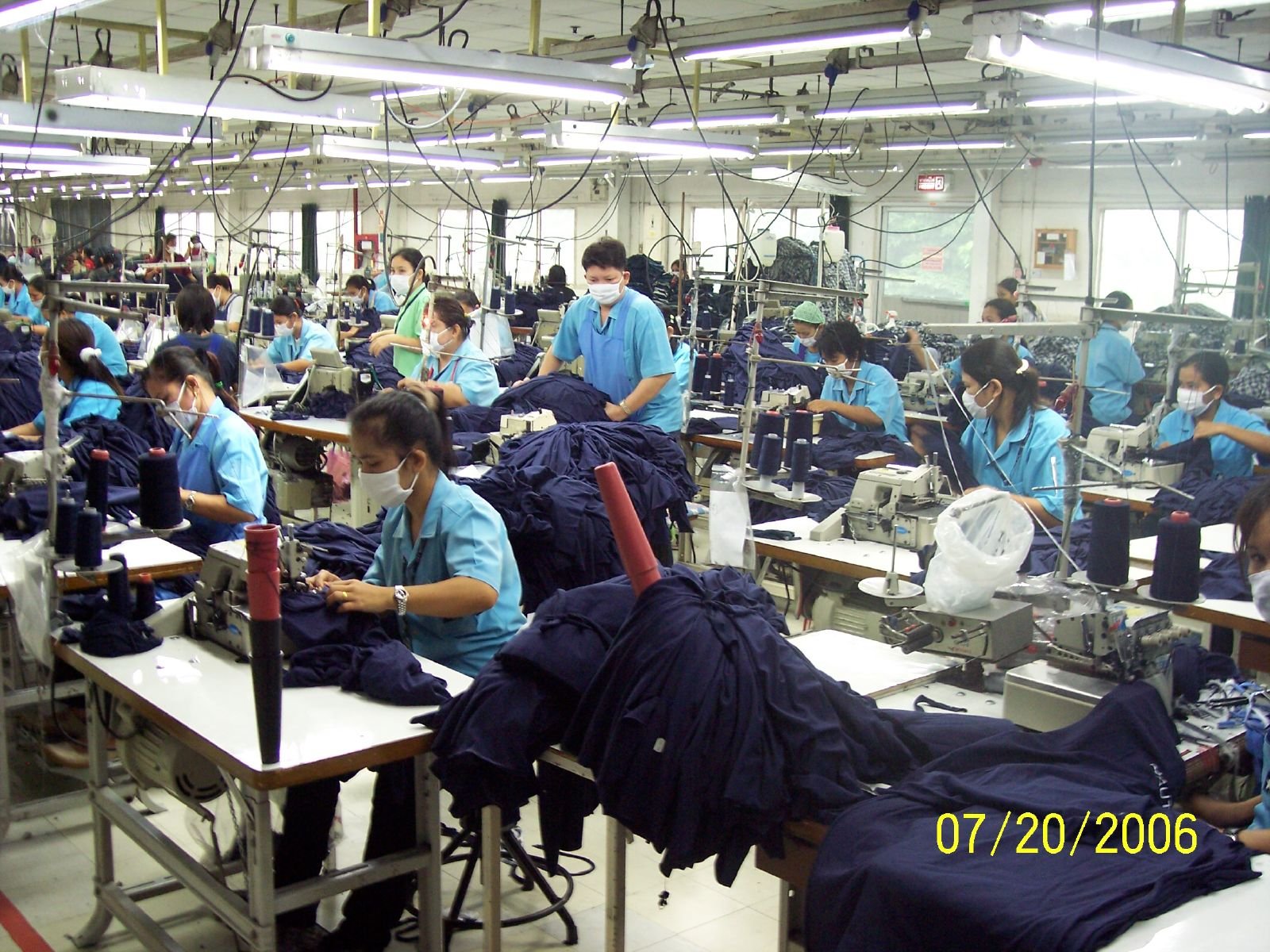
<p>The unemployment rate stood at 1.02%, low by international standards, but NESDC Secretary-General Danucha Pichayanan said the labour market was showing signs of strain. Most of the newly jobless had lost work through business closures, expiring contracts or layoffs, and manufacturing accounted for the largest share of job losses, at about 37,000, according to the report as carried by Thairath English and Thai PBS World.</p>
<p>Long-term unemployment climbed 45% to about 93,000 people. Thai PBS World reported that joblessness among workers insured under the social security system rose from 1.99% to 2.47%, or about 300,000 people, a level comparable to the Covid-19 period. Danucha said many laid-off factory workers were struggling to find new jobs because of skills mismatches.</p>
<p>Total employment still grew 5.7% year on year to about 42.1 million, partly because the survey now counts more women and older people who earn extra income alongside household work. But average monthly wages slipped 0.91% to 15,812 baht, and real wages, adjusted for inflation, fell 3.27%. About 5.3 million people, or 12.6% of the employed, worked more than 55 hours a week, which the agency flagged as a health risk.</p>
<p>On household finances, the NESDC said household debt in the second quarter rose 0.59% from a year earlier to 16.43 trillion baht. The debt-to-GDP ratio eased for a second straight quarter, to 85.2% from 86.0%, because debt grew more slowly than the economy. Personal loans grew 4.4%, which the agency linked partly to higher living costs, including fuel prices, and to flooding.</p>
<p>Danucha said many flood-hit households had turned to buy-now-pay-later services or informal lenders to cover expenses. The report also warned about fraudulent loan apps, noting that 79 had recently been blocked, Thai Enquirer reported.</p>
<p>The labour figures come a day after the NESDC estimated that this year's floods cost the Thai economy about 45 billion baht.</p>