Politics · Thailand Bureau
Thailand sets six-point arsenic plan and calls China and Myanmar to talks on toxic rivers
Prime Minister Anutin Charnvirakul was due to chair an urgent meeting on Saturday as the government moves to make pollution in the Kok and Sai rivers a national priority.
LSN Thailand ·
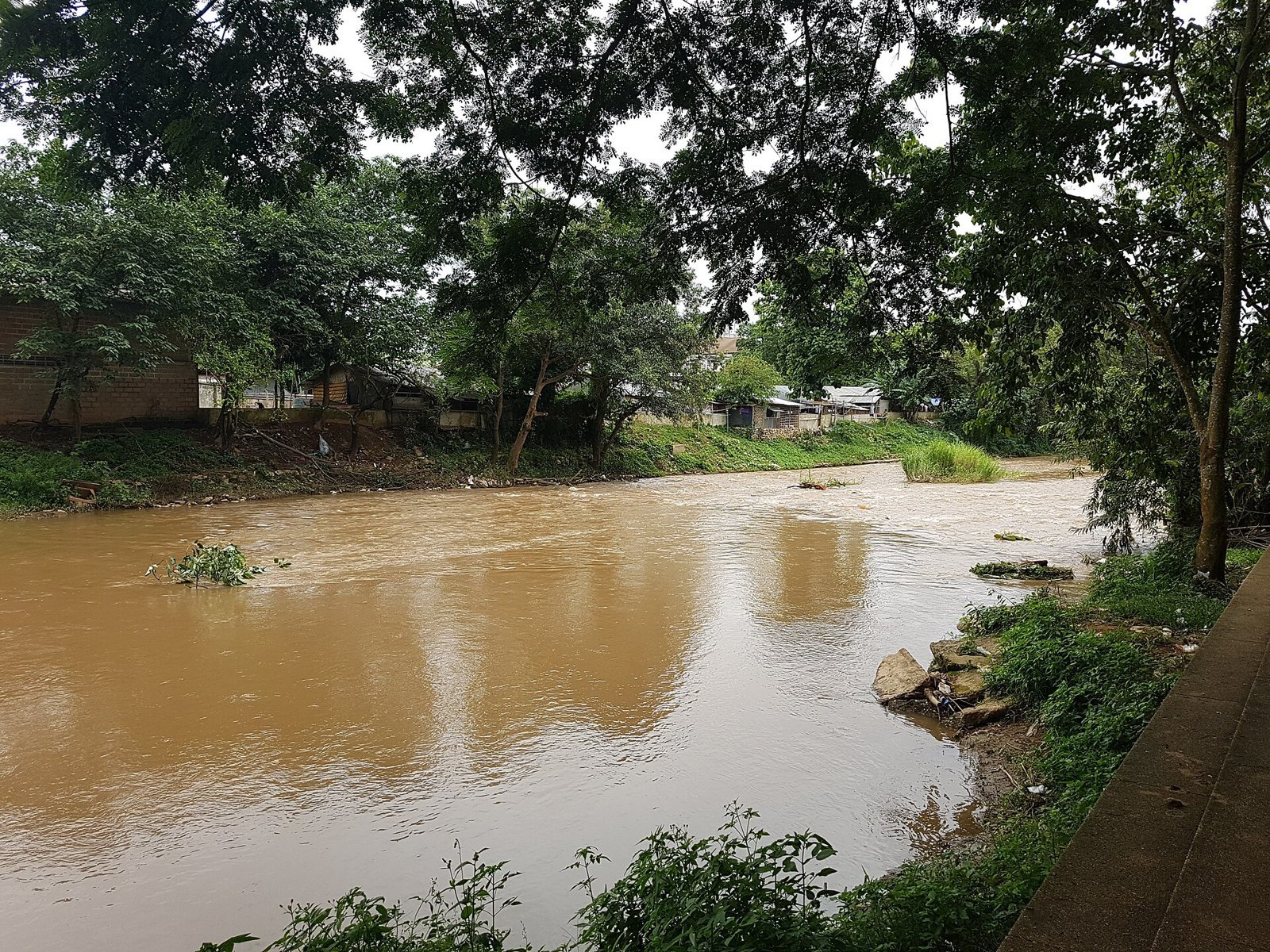
<p>Thailand will meet officials from China and Myanmar on 24 November to try to trace and stop arsenic pollution flowing into the Kok and Sai rivers in the north, Deputy Prime Minister Yodchanan Wongsawat said on Friday (20 November).</p>
<p>Yodchanan said the head of Myanmar's working group and China's ambassador to Thailand were due to attend. The Thai-Myanmar working group on water quality is then scheduled to meet on 25 and 26 November. Thailand wants the three countries to identify where pollutants enter the rivers and agree on how to stop them at source.</p>
<p>Prime Minister Anutin Charnvirakul was due to chair an urgent meeting at Government House on Saturday morning, the Bangkok Post reported, as the government prepares to make pollution in the Kok, Sai, Ruak and Mekong rivers a national agenda item. The meeting follows Anutin's talks with Chinese President Xi Jinping on the sidelines of the Apec summit, where Xi offered technical support for water-quality monitoring.</p>
<p>Yodchanan, who chairs the northern disaster prevention committee, set out six measures:<br>
- tracing the source of the arsenic with isotope analysis, with Mae Fah Luang University and Chinese partners working to the same testing standards;<br>
- piloting a sediment-trap system at farm water intakes, starting in Mae Sai district;<br>
- fitting filtration systems to village water supplies in at-risk parts of Chiang Rai and Chiang Mai;<br>
- holding 22.5 million cubic metres of water in reserve across three reservoirs;<br>
- tightening controls on the mineral trade to curb illegal mining;<br>
- mapping risks to farmland by 15 December, with red, yellow and green zones.</p>
<p>More than 100,000 litres of clean tap water had been distributed to residents by 20 November, Yodchanan said. The agriculture ministry is testing water, soil and produce for arsenic, lead, cadmium, mercury and copper, and has held talks with the UN Food and Agriculture Organization about expert support.</p>
<p>Yodchanan said he planned to visit Chiang Rai on 22 and 23 November to hear from communities and inspect proposed sites.</p>