Politics · India Bureau
Tharoor Hails Lula's Brazil Victory, Flags US Tensions Risk
Congress MP Shashi Tharoor has welcomed Luiz Inácio Lula da Silva's re-election as Brazilian president, praising his social agenda while warning of potential friction with Washington. The closely contested election underscores democratic resilience in Latin America amid a broader rise of right-wing movements across the region.
LSN India ·
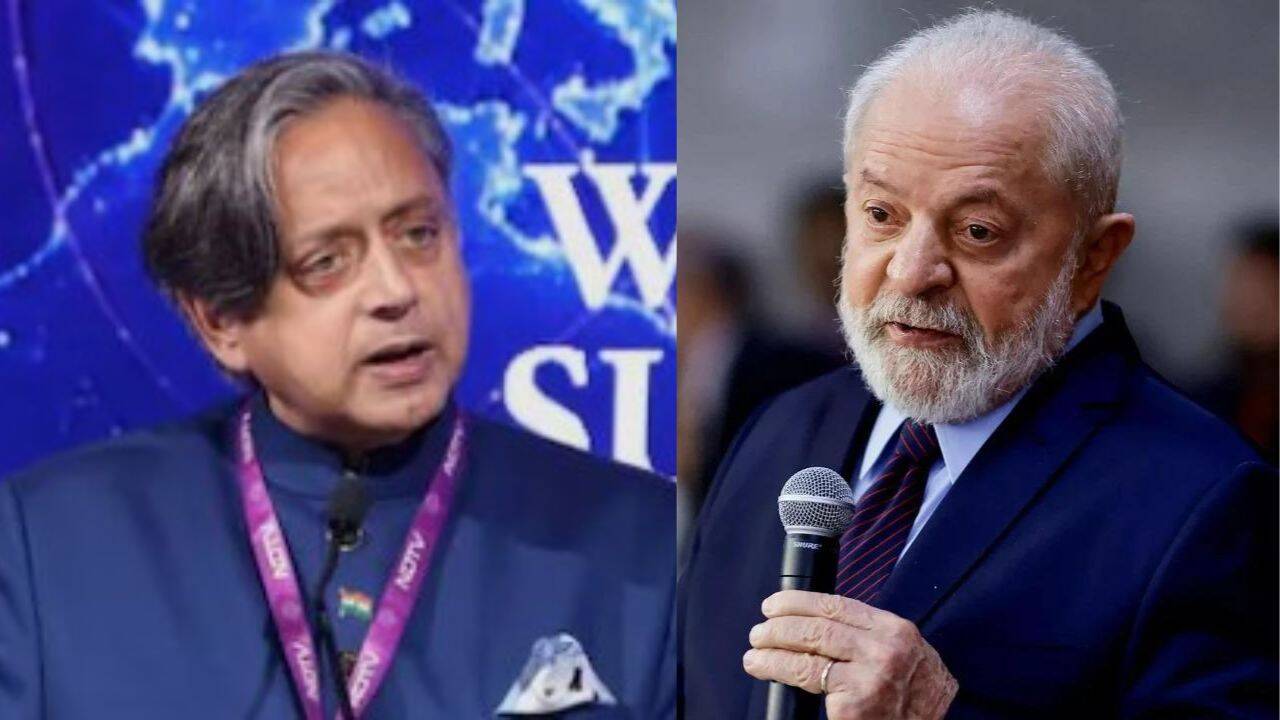
Shashi Tharoor, the senior Congress Member of Parliament, has publicly endorsed the victory of Brazil's newly re-elected president Luiz Inácio Lula da Silva, highlighting the significance of the South American nation's electoral outcome. In his remarks, Tharoor emphasized Lula's demonstrated commitment to social inclusion, economic justice, and poverty reduction programmes—key policy pillars that defined the veteran leftist leader's political platform.
The Brazilian presidential election was marked by an exceptionally tight contest that drew international scrutiny. Both major campaigns lodged disputes regarding the voting process before final results were announced, reflecting the intensity of political competition within Latin America's largest nation. Despite these procedural challenges, Lula secured victory, demonstrating continued voter support for his development-focused agenda.
Tharoor's endorsement reflects India's broader engagement with progressive movements in the Global South. His commentary also flagged emerging tensions between Brazil and the United States as a matter of concern, suggesting that divergent geopolitical priorities could strain bilateral relations. The Congress leader positioned Lula's win as emblematic of democratic resilience in a region increasingly contested by competing political ideologies.
The Brazilian election outcome carries regional implications at a time when right-wing political movements have gained traction across Latin America. Lula's re-election signals voter preference for incumbent centre-left governance focused on social welfare and equitable economic policies, even as polarized political divisions continue to shape electoral competition.