World · India Bureau
The practical purpose behind the centre hole in plastic stools
The distinctive circular hole found in most plastic stools serves multiple practical functions beyond mere aesthetic design. The opening plays a crucial role in manufacturing, handling, storage and durability of these commonplace household items.
LSN India ·
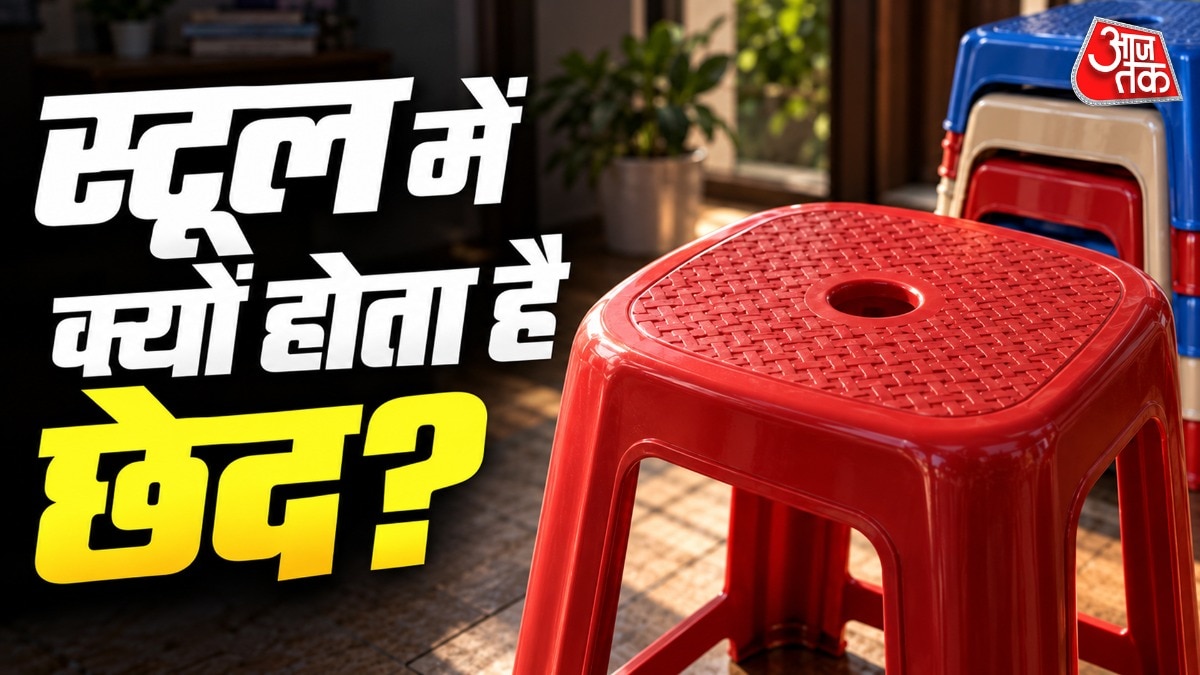
The seemingly simple design feature of a centre hole in plastic stools is far from arbitrary. This hole serves several important functional purposes that make these stools more practical and durable for everyday use across Indian households and workplaces.
When plastic stools are stacked, the centre hole prevents vacuum formation between them, making it considerably easier to separate stacked units without requiring excessive force or risking damage to the plastic. This design consideration significantly extends the product's lifespan and reduces wear over time. Additionally, the hole facilitates easier handling and transportation of multiple stools, whether being carried by hand or moved in bulk, as users can pass their fingers or a rod through the opening for better grip.
The hole also serves practical drainage purposes. In kitchens, bathrooms and outdoor settings where stools may be exposed to water or moisture, the opening allows liquids to drain away rather than accumulate on the seat surface, preventing water damage and the formation of mould or mildew that could compromise the stool's integrity.
From an engineering perspective, the hole helps distribute weight and pressure more evenly across the stool's structure, enhancing its load-bearing capacity and structural stability. Perhaps most significantly, the hole improves the manufacturing process itself. During plastic injection moulding, the opening allows air and gases to escape more efficiently, reducing defects in the final product and improving overall quality control during production.