World · India Bureau
Thick Cream on Milk? Follow These Simple Tips for Better Results
Many households struggle with achieving a thick layer of cream on boiled milk, often suspecting water has been added. However, the quality of cream formation depends on multiple factors beyond milk quality alone.
LSN India ·
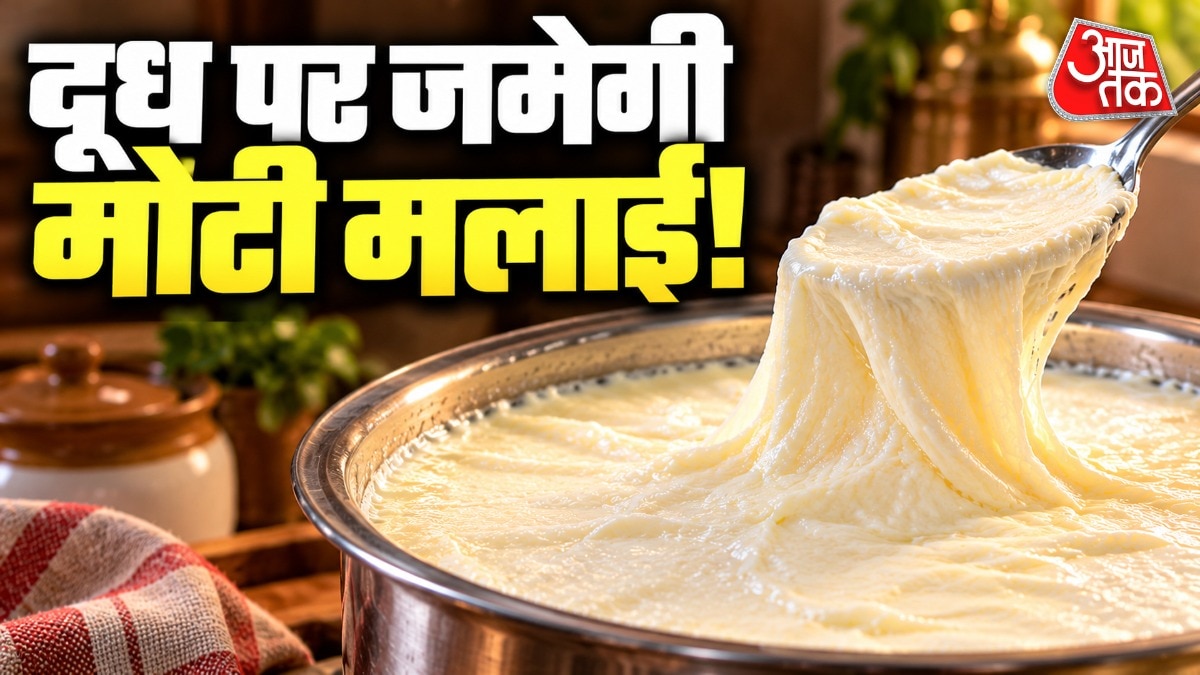
The thickness of malai, or cream, that forms on boiled milk is influenced by several key factors, including the fat content of the milk, the method used to boil it, and the cooling technique employed. Understanding these elements can help consumers consistently achieve the desired thick cream layer at home.
The fat content of milk plays a crucial role in cream formation. Full-fat milk with higher fat percentages is more likely to produce a visible, thick layer of cream compared to lower-fat varieties. When selecting milk, consumers should opt for varieties specifically suited for malai formation rather than assuming all milk types will yield the same results.
The boiling method also significantly impacts cream development. The way milk is heated—including temperature control and duration—affects how cream settles and thickens on the surface. Similarly, the cooling process is equally important; allowing boiled milk to cool properly and at the right temperature helps cream set more effectively.
Householders experiencing thin or inadequate cream formation should evaluate these three aspects: the fat content of their milk source, their boiling technique, and their cooling methodology. By paying attention to these controllable variables, consumers can improve their results without necessarily attributing the issue solely to milk quality or adulteration.