Business · India Bureau
Three decades on, India's informal workforce persists despite liberalisation
India's economic reforms have failed to create sufficient formal employment opportunities, with contractual and informal work continuing to dominate the labour market. Manufacturing sector weakness, limited expansion of small enterprises and skill deficits are restricting growth in quality jobs.
LSN India ·
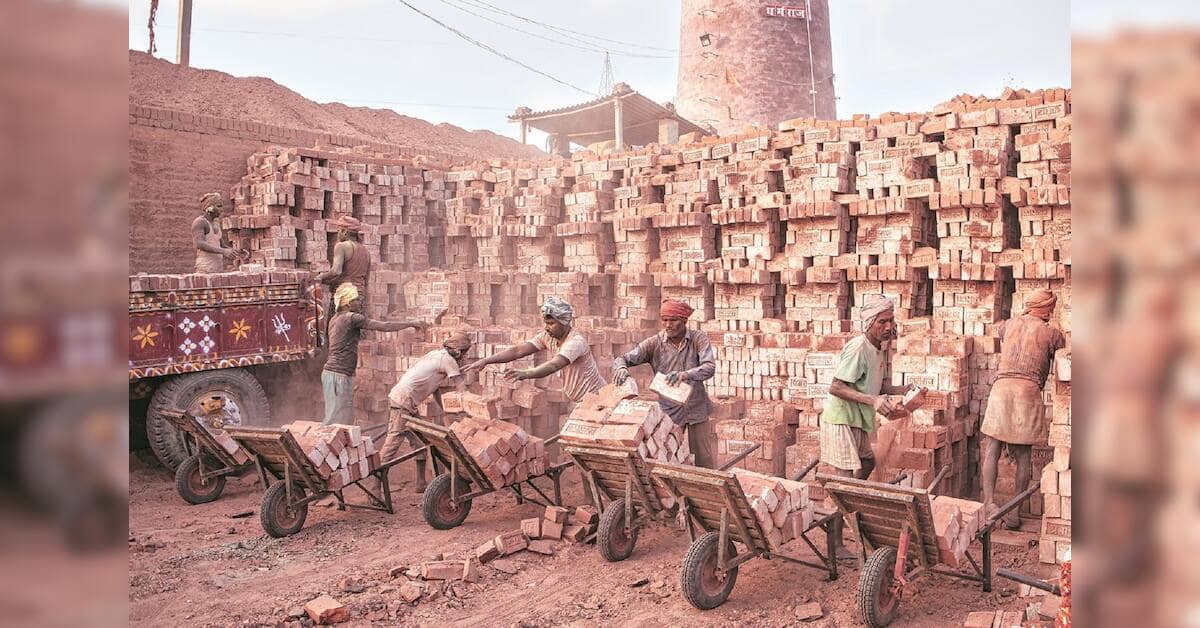
India's 35-year liberalisation journey has delivered significant economic growth, yet the country's workforce remains trapped in informal arrangements that offer limited protections and benefits. Despite the opening of markets and structural reforms initiated in the late 1980s, a substantial portion of India's working population continues to depend on casual, temporary or unregistered employment.
The persistence of informal work reflects structural challenges within India's economy that reforms alone have not resolved. Manufacturing sector growth has remained modest compared to other developing economies, constraining job creation in organised industries traditionally associated with formal employment. This weakness has prevented the absorption of labour at the scale needed to shift workers from precarious to stable positions.
Small and medium-sized enterprises, which could serve as engines of formal job creation, have faced hurdles in scaling operations and formalising their workforce. Simultaneously, significant gaps between worker skills and employer requirements have limited access to quality positions in the formal sector. The mismatch has created a bottleneck in the transition from informal to organised work.
Economists and labour analysts note that without targeted interventions addressing manufacturing competitiveness, enterprise growth and workforce development, the informal economy is likely to remain a defining characteristic of India's labour market. The challenge poses implications for worker welfare, social security coverage and the country's broader development trajectory.