World · India Bureau
Three decades on, India's liberalisation gains show signs of stalling
Quantitative analysis reveals India's modest improvement in global rankings since 1991 economic reforms, though weak per capita growth and external vulnerabilities persist as significant headwinds to sustained development.
LSN India ·
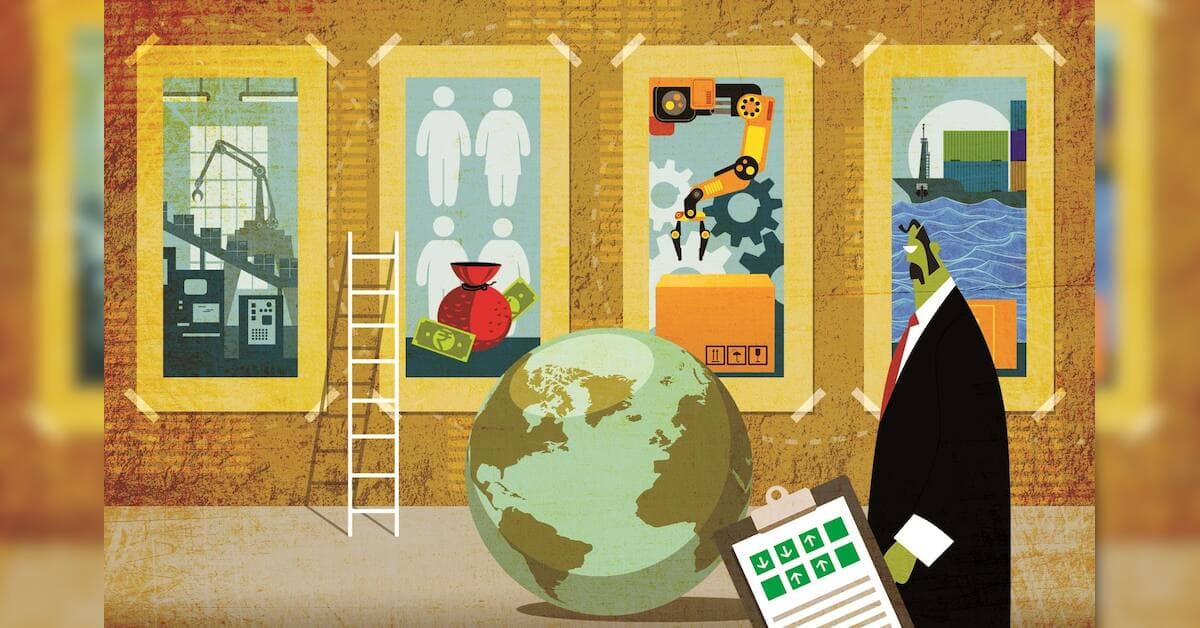
India's economic liberalisation, which began in 1991, has delivered only incremental improvements in the country's global standing, according to a quantitative review of reform-era performance. While the nation has improved its relative position internationally over the past three decades, the gains appear to be losing momentum as structural challenges continue to constrain broader-based prosperity.
The analysis points to weak per capita income growth as a central concern, indicating that improvements at the macroeconomic level have not translated proportionally into rising living standards for individual Indians. This disconnect between aggregate economic performance and household welfare remains a critical measure of reform effectiveness, particularly given India's large population base.
External vulnerabilities present another drag on sustained progress. The country's exposure to global economic shocks, currency fluctuations, and capital flow reversals has grown alongside its integration into international markets. These external pressures have become increasingly apparent during periods of global economic turbulence, limiting policy flexibility for domestic policymakers.
The findings suggest that while India's 1991 reforms represented a decisive break from the preceding licence-raj era, the architecture established three decades ago may require recalibration to address emerging constraints. Policymakers face mounting pressure to unlock faster productivity growth and broaden the distribution of economic gains to sustain the momentum of the reform process.