Politics · India Bureau
Three infants killed in Amravati hospital blast; safety audit failures exposed
An explosion at a government maternity hospital in Maharashtra's Amravati district claimed three newborn lives and forced the emergency evacuation of 36 others. Investigations have revealed critical lapses in fire safety protocols at the facility, which serves as a crucial healthcare provider for pregnant women across the region.
LSN India ·
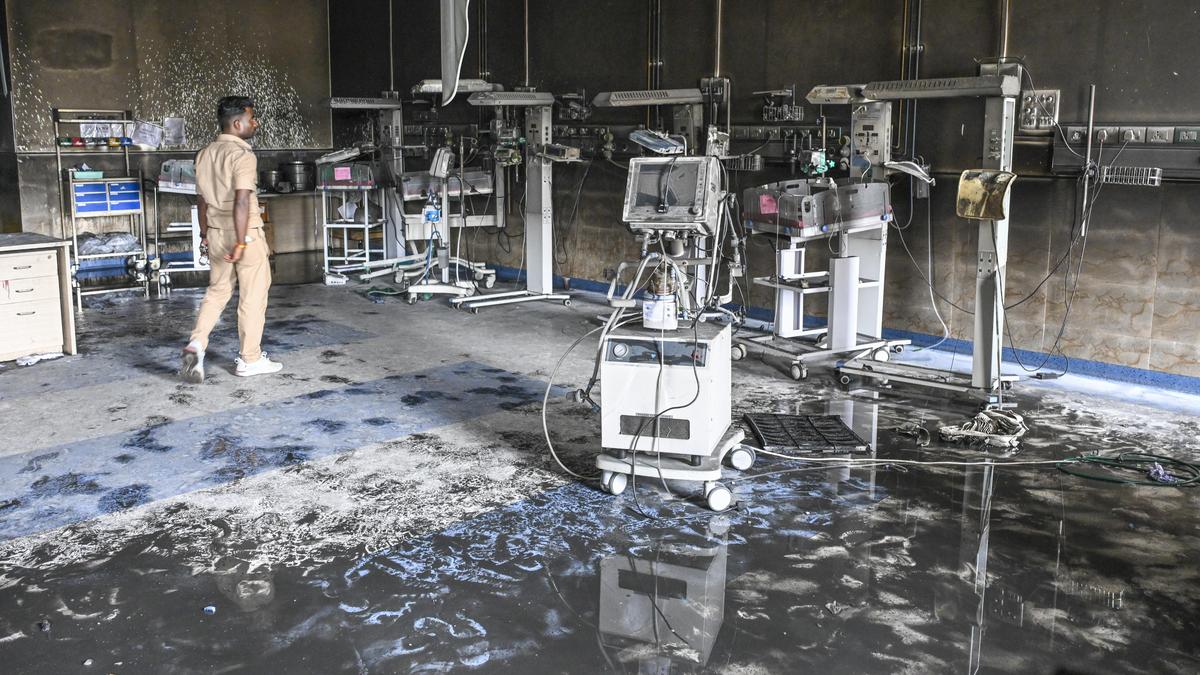
The explosion at Amravati's government maternity hospital has reignited concerns about safety standards at critical healthcare facilities across India's regional hospitals. Three newborns lost their lives in the incident, while rescue teams worked to evacuate 36 other infants from the ward. The maternity hospital serves as a primary healthcare destination for pregnant women from Amravati district and neighbouring areas, including those requiring emergency obstetric care.
Accounts from survivors, medical staff, and rescue personnel have pointed to significant gaps in the facility's fire safety infrastructure and audit procedures. Hospital administrators and fire safety officials acknowledged that routine safety inspections had not been conducted with adequate rigour, raising questions about oversight mechanisms governing institutional safety compliance.
The incident has prompted calls for a comprehensive review of safety protocols across government maternity hospitals in Maharashtra and neighbouring states. Healthcare authorities have announced immediate inspections and mandatory safety audits at similar facilities. Experts have stressed the need for regular, independent fire safety assessments and staff training to prevent similar tragedies at maternal healthcare centres that serve vulnerable populations.
Families of the deceased infants have demanded accountability and compensation from hospital authorities. Meanwhile, the affected hospital has resumed operations with enhanced safety measures in place, though the incident has raised broader questions about resource allocation and infrastructure maintenance in government healthcare institutions serving rural and semi-urban populations.