World · India Bureau
Three key dates in Pitru Paksha hold special spiritual significance for Hindus
Hindu tradition identifies three significant dates during the Pitru Paksha fortnight when performing ancestral rites is believed to particularly benefit departed souls. These dates are considered especially auspicious for those uncertain of their ancestors' death dates.
LSN India ·
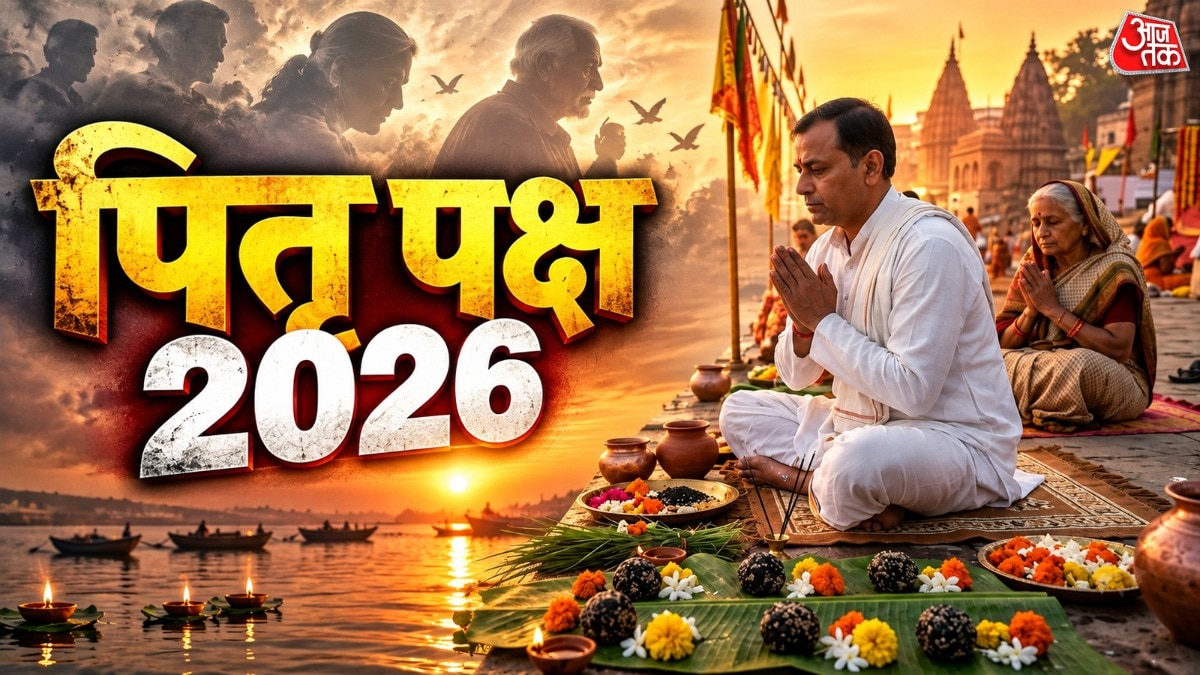
Pitru Paksha, the Hindu lunar fortnight dedicated to honoring deceased ancestors, encompasses multiple observance dates throughout its duration. However, three specific dates—known as Mahatithis or great dates—are considered particularly significant in Hindu religious practice and are believed to hold enhanced spiritual potency.
According to Hindu tradition, these three dates are especially important for those whose ancestors' exact death dates are unknown or who wish to perform rituals for those who died untimely deaths. Devotees who perform the shraddha (ancestral offering) and tarpan (ritual libations) on these designated dates believe the offerings directly satisfy the departed souls and invoke blessings of prosperity and well-being for the entire household.
The observance of these Mahatithis is rooted in ancient Hindu scriptures and is considered equivalent in merit to performing rituals on an ancestor's actual death anniversary. Many families utilize these dates as an opportunity to perform comprehensive ancestral rites, ensuring that all family members who have passed away receive proper homage regardless of when they died.
Hindu practitioners are advised not to overlook these three significant dates during the Pitru Paksha period. The religious significance attributed to these dates makes them important occasions for Hindu families to perform their ancestral duties and seek the blessings of their forebears for continued family harmony and material well-being.