World · India Bureau
Three Key Mistakes to Avoid After Navratri Ghatasthapna Ritual
As Sharadiya Navratri begins with the Ghatasthapna ceremony, Hindu devotees are advised to follow specific religious customs to ensure auspicious observance. Key restrictions include avoiding leaving homes empty, consuming sattvic food, and preventing domestic discord during the nine-day festival.
LSN India ·
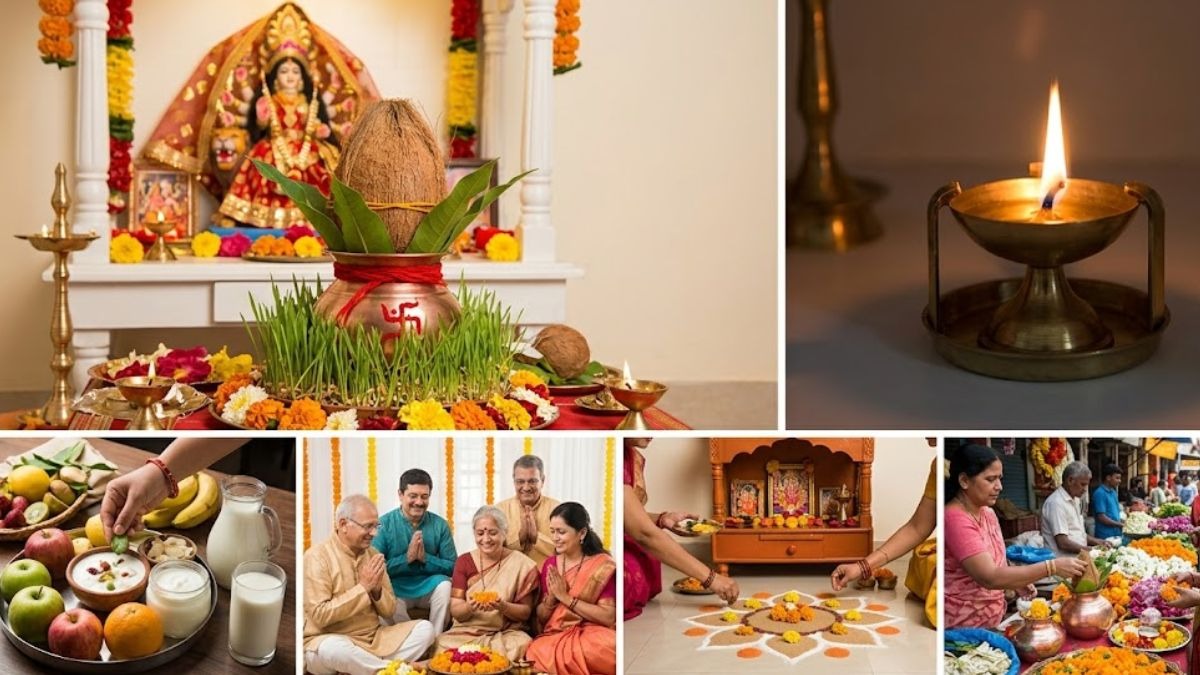
The Ghatasthapna ritual, which marks the beginning of Sharadiya Navratri, is considered a significant moment in the Hindu calendar when devotees invite divine energy into their homes by planting barley seeds in consecrated soil. According to traditional religious beliefs, several precautions must be observed following this ceremony to maintain the sanctity of the observance and ensure spiritual benefits.
The first major prohibition involves leaving the home unoccupied after Ghatasthapna has been performed. Religious texts suggest that the consecrated space should remain inhabited and protected, as it is believed to house divine presence during the nine-day festival. Devotees are counselled to ensure at least one family member remains at home to maintain the spiritual atmosphere.
Second, adherents are advised to avoid tamasic or heavy foods during Navratri, instead consuming sattvic foods that are considered pure and spiritually elevating. This dietary practice is believed to aid meditation and spiritual growth during the festival period. Foods traditionally avoided include onion, garlic, and non-vegetarian items.
Third, households are encouraged to maintain peace and harmony, avoiding quarrels and conflicts during these nine days. Religious customs emphasize that negative emotions and discord can diminish the positive spiritual vibrations cultivated through worship and ritual observance.
These guidelines reflect long-standing Hindu traditions aimed at creating an environment conducive to prayer, fasting, and spiritual reflection during one of India's most significant religious observances.