World · India Bureau
Three Offerings to Lord Kuber on Dhanteras Believed to Bring Prosperity
Dhanteras, observed ahead of Diwali, holds special significance for devotees worshipping Lord Kuber, the Hindu deity of wealth and prosperity. Specific offerings made during prayers are traditionally believed to invite abundance and well-being into homes.
LSN India ·
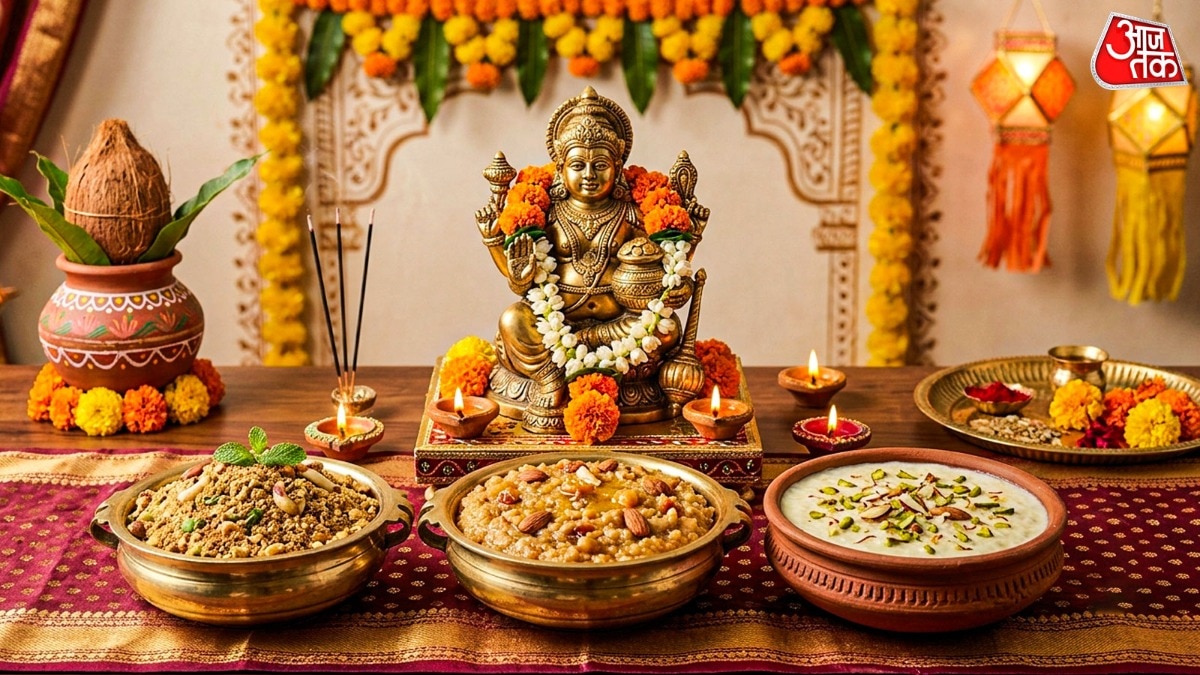
Dhanteras, celebrated on the new moon day in the Hindu month of Kartik, is considered an auspicious occasion for honouring Lord Kuber. The deity holds a central place in Hindu mythology, revered as the custodian of treasures and divine wealth. Devotees across India observe rituals and prayers on this day to seek blessings for financial stability and household prosperity.
According to Hindu religious traditions, certain food offerings hold particular importance when presented to Lord Kuber during Dhanteras prayers. These offerings are believed to carry spiritual significance and strengthen the connection between devotees and the deity. The specific items traditionally favoured by Lord Kuber reflect both symbolic meaning and cultural practices that have been observed for generations.
Religious texts and practitioners recommend presenting these three preferred offerings during Dhanteras worship to maximize the spiritual benefits of the observance. The practice is rooted in the belief that presenting foods dear to the deity demonstrates devotion and invokes blessings for material and spiritual well-being. Many households in India incorporate these traditional offerings into their Dhanteras celebrations as part of broader observances aimed at ensuring household harmony and financial security.
The custom of making specific offerings during Dhanteras continues to be widely practised across Indian communities, with families viewing the ritual as an integral part of their festive preparations before Diwali. Observance of these traditions is seen by believers as a means of acknowledging gratitude for existing blessings while inviting continued prosperity into their homes.