World · Sri Lanka Bureau
Three scientists awarded Nobel Prize for revolutionary brain research breakthrough
Karl Deisseroth, Peter Hegemann and Georg Nagel have been jointly awarded the 2026 Nobel Prize in Physiology or Medicine for their groundbreaking work on light-gated ion channels and optogenetics. The discovery has fundamentally transformed how researchers study the living brain.
LSN Sri Lanka ·
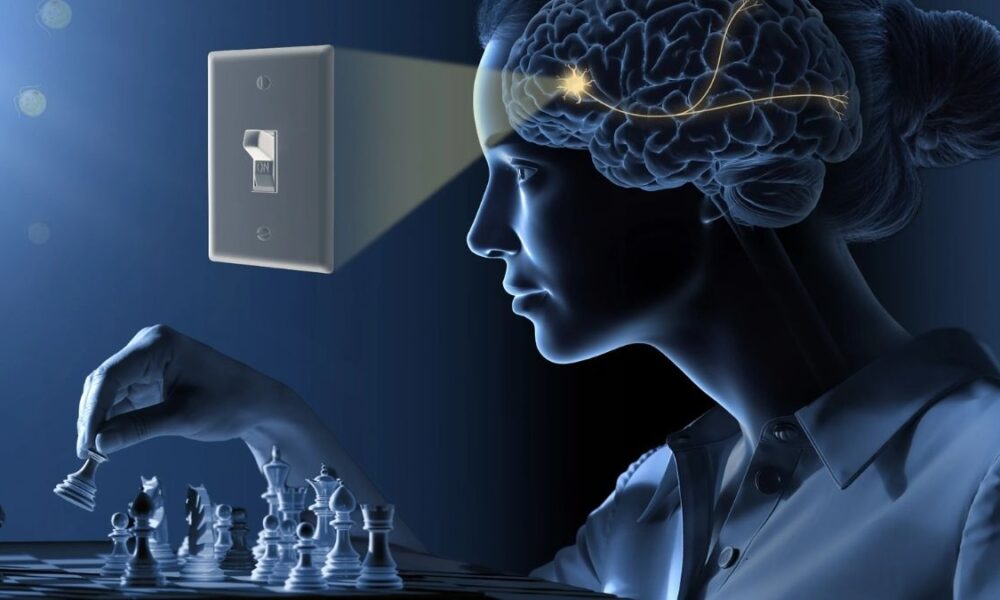
The Nobel Assembly at Karolinska Institutet has recognised the three scientists for their pioneering contributions to optogenetics, a technique that uses light to control and study individual neurons in the brain. The methodology has opened new frontiers in neuroscience research and provided scientists with an unprecedented ability to observe and manipulate neural activity with remarkable precision.
Optogenetics emerged from the researchers' discoveries concerning light-gated ion channels—specialised proteins that can be activated by specific wavelengths of light. By incorporating these channels into targeted brain cells, researchers can now switch neurons on and off using light pulses, allowing them to map neural circuits and understand how brain activity relates to behaviour and disease.
The breakthrough has far-reaching implications for understanding neurological and psychiatric conditions. Scientists utilising optogenetic techniques have made significant strides in studying memory formation, motor control, addiction, and various brain disorders. The technology has also accelerated the development of potential therapeutic approaches for conditions affecting the nervous system.
The award underscores the significance of fundamental research in biology and the way innovative scientific tools can reshape entire fields of inquiry. Optogenetics has become a cornerstone methodology in modern neuroscience laboratories worldwide, enabling researchers to conduct experiments that were previously impossible and accelerating progress in understanding the brain's complex operations.