World · India Bureau
Tibet quake death toll reaches 16 as Himalayan region faces recurring seismic threat
A powerful earthquake in Tibet has claimed at least 16 lives, underscoring the Himalayan region's ongoing vulnerability to devastating seismic activity. The disaster reflects a troubling pattern of major quakes across the mountainous belt spanning Tibet, Nepal, and northern India.
LSN India ·
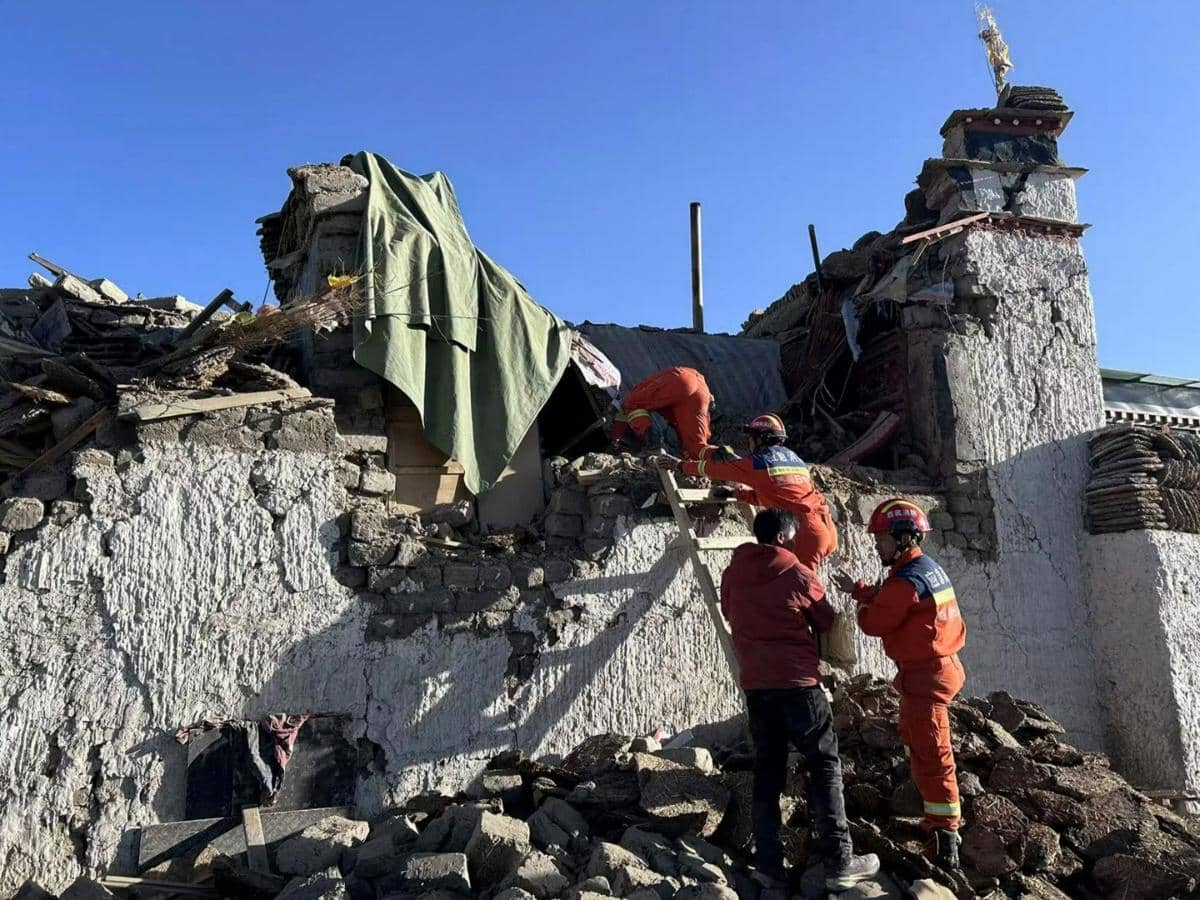
The latest earthquake to strike Tibet has resulted in significant casualties and structural damage, with rescue operations continuing in affected areas. The tremor marks another addition to a long list of major seismic events that have periodically ravaged the Himalayan region over recent decades.
The Himalayan mountain belt, formed by the collision of the Indian and Eurasian tectonic plates, remains one of the world's most seismically active zones. This geological reality has exposed millions of residents across Tibet, Nepal, and northern India to recurring earthquake hazards, with construction practices and emergency preparedness systems often struggling to keep pace with the region's seismic demands.
In recent years, the Himalayan region has experienced several catastrophic earthquakes that have claimed thousands of lives and displaced hundreds of thousands more. These events have repeatedly demonstrated the region's susceptibility to major ground movements and the devastating human and economic toll such disasters exact on local communities. Infrastructure across the region remains particularly vulnerable, with older buildings and rural settlements facing the greatest risks during seismic events.
Experts continue to emphasize the importance of improved building codes, early warning systems, and disaster preparedness initiatives throughout the Himalayan corridor. As the region remains locked in active tectonic processes, further significant seismic activity appears inevitable, underscoring the critical need for enhanced safety measures across affected countries.