Politics · World News Bureau
Tibetan exiles in Delhi protest China's ethnic unity law
Hundreds of Tibetans gathered in New Delhi on Tuesday to demonstrate against Beijing's policies, with many participants shaving their heads in an act of symbolic resistance. The protest highlighted growing concerns among the diaspora community over China's approach to ethnic minorities in Tibet.
LSN World News ·
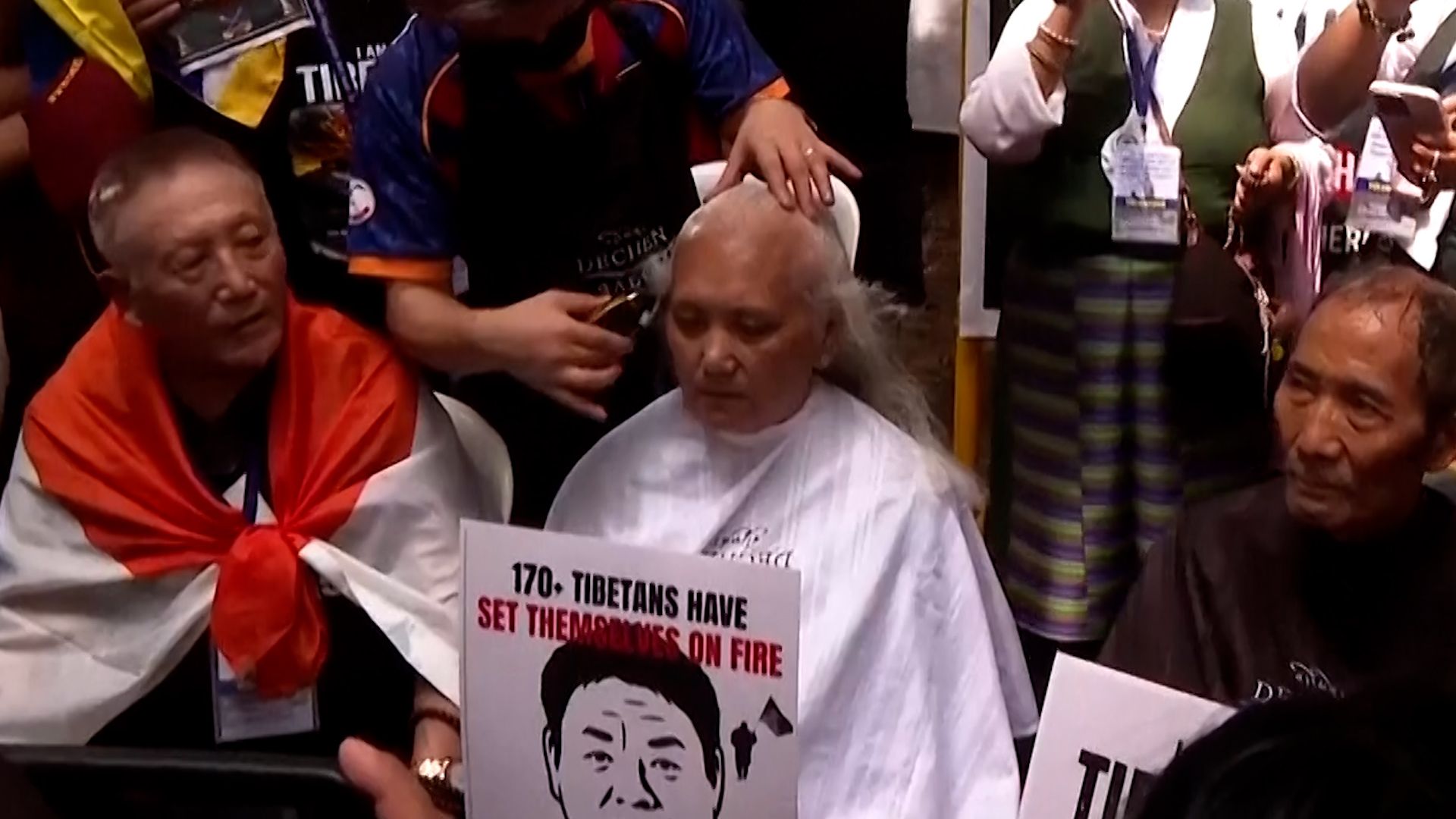
The demonstration, organized by Tibetan exile groups in the Indian capital, drew hundreds of participants who used the collective head-shaving as a form of peaceful protest against what they characterize as assimilationist policies. The act carried deep symbolic meaning within Tibetan Buddhist tradition, where shaving one's head is associated with spiritual renunciation and rejection of worldly concerns.
Participants expressed opposition to Chinese legislation framed as promoting ethnic unity but criticized by activists as undermining Tibetan cultural and religious autonomy. The exiles argue that such policies threaten the preservation of Tibetan language, customs, and Buddhist practices in the Tibet Autonomous Region and other Tibetan-populated areas of western China.
The New Delhi protest reflects ongoing tensions between Beijing and Tibetan diaspora communities, who have long accused the Chinese government of cultural suppression. India, home to a significant Tibetan exile population including the Dalai Lama's government-in-exile based in Dharamshala, has become a center for such demonstrations by those who have fled Chinese-controlled territories.
China's government maintains that its policies in Tibet promote economic development and social stability while respecting religious freedom. Officials have consistently rejected criticism from exile groups and international observers, characterizing such protests as interference in China's internal affairs.