World · World News Bureau
Tidal pools spark grassroots marine conservation push on Indian coast
Community groups along India's eastern shoreline are leveraging the educational appeal of tidal pool ecosystems to drive broader marine conservation efforts. The initiative seeks to build environmental awareness among coastal residents while protecting vulnerable aquatic habitats.
LSN World News ·
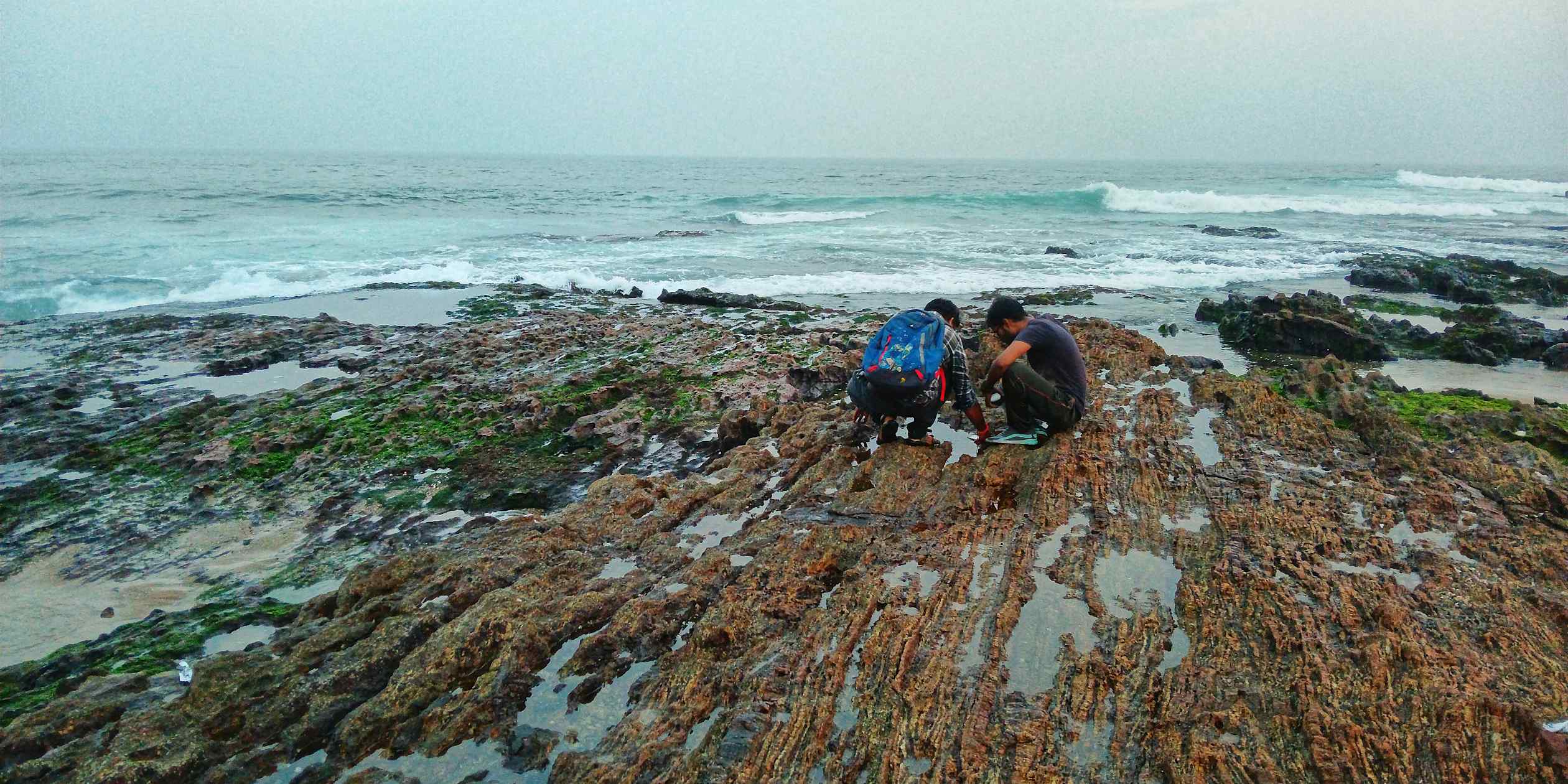
Tidal pools dotting India's east coast have emerged as unexpected catalysts for marine conservation, with local communities using the accessible ecosystems to engage residents in environmental protection efforts. The shallow water formations, exposed during low tide cycles, contain diverse populations of fish, crustaceans, mollusks, and algae that thrive in their unique conditions.
Conservation-minded groups have organized tidepooling expeditions and educational programs to introduce coastal communities to the ecological significance of these microhabitats. The hands-on approach has proven effective in fostering grassroots support for broader ocean preservation initiatives, as participants develop firsthand understanding of marine biodiversity and habitat vulnerability.
The movement addresses growing concerns about coastal degradation along the region, where fishing pressures, pollution, and climate change threaten marine ecosystems. By making marine conservation tangible and locally relevant, organizers hope to sustain long-term commitment to protecting India's coastal environments.
The tidal pool initiative represents a shift toward community-centered conservation strategies in South Asia, where public engagement increasingly supplements government and institutional efforts. Local volunteers now regularly monitor pool conditions and document species presence, contributing valuable data while deepening their investment in marine protection.