World · Singapore Bureau
Tokyo pursues renewable energy and climate resilience overhaul
Tokyo is undertaking a comprehensive energy transformation aimed at reducing reliance on traditional power sources while strengthening defences against natural disasters. The initiative encompasses offshore wind installations and next-generation solar technologies across the metropolitan region.
LSN Singapore ·
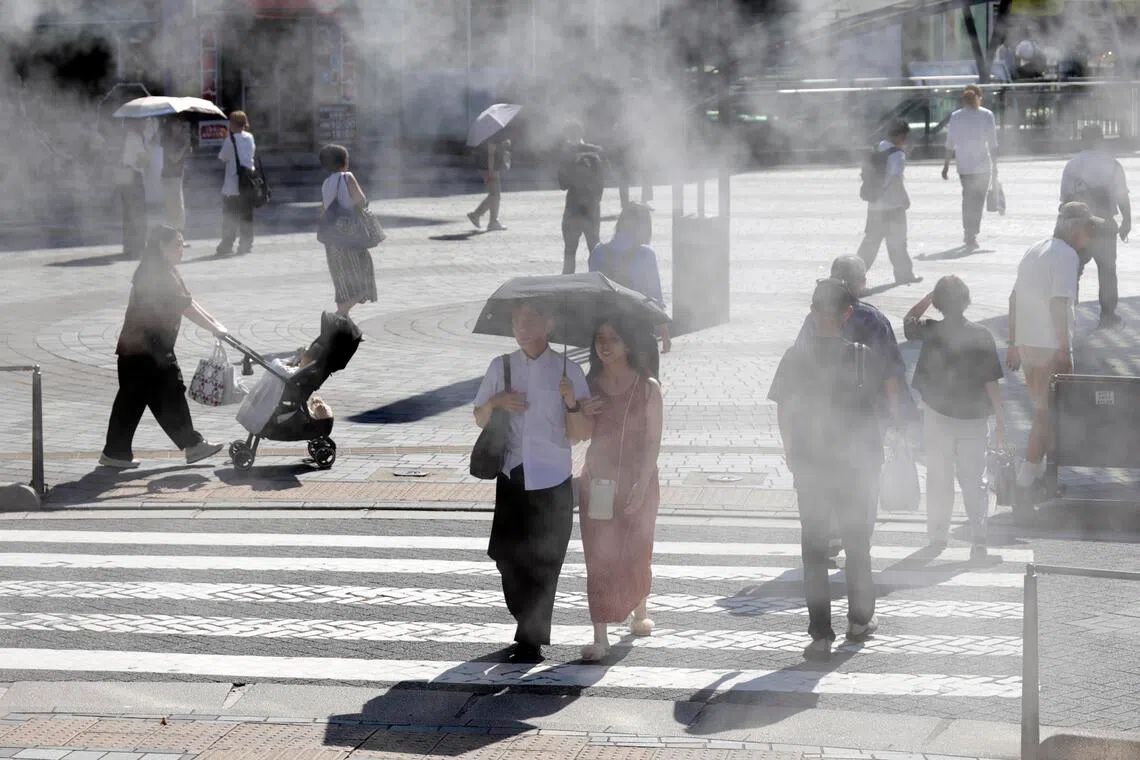
Tokyo's metropolitan government is charting an ambitious course toward greater energy independence and climate resilience through a multi-pronged strategy that combines renewable energy infrastructure with disaster mitigation measures. The plan reflects growing concerns about the capital's vulnerability to seismic activity and flooding while addressing the need for sustainable power generation to support the region's 37 million residents.
Flotating offshore wind farms represent a cornerstone of Tokyo's renewable energy vision, offering significant generation capacity without consuming valuable urban land. These installations are designed to harness strong winds in surrounding waters while minimising environmental disruption and visual impact on coastal areas. Complementing this initiative, flexible solar cells represent another technological frontier, enabling power generation from unconventional surfaces including curved structures and temporary installations that traditional rigid panels cannot accommodate.
The energy diversification strategy serves dual purposes within Tokyo's broader resilience framework. By reducing dependence on centralised power generation and transmission networks, the metropolitan region can better withstand infrastructure disruptions caused by major earthquakes or typhoons. Distributed renewable energy sources provide localized backup power capacity during emergencies, while also contributing to Japan's national carbon reduction targets amid ongoing energy security pressures.
Government officials have emphasised that the transition requires substantial investment in grid modernisation and energy storage systems to manage variable renewable output effectively. The initiative also includes enhanced building standards and infrastructure upgrades designed to protect critical facilities and residential areas from flooding and seismic damage, positioning Tokyo as a model for climate-resilient megacities in the Asia-Pacific region.