Technology · Singapore Bureau
Tokyo's birth rate recovery credited to AI matchmaking, family subsidies
Tokyo has reversed its declining birth rate through a combination of artificial intelligence-powered matchmaking services and expanded financial support for families, with Governor Yuriko Koike highlighting the demographic turnaround as a major policy success.
LSN Singapore ·
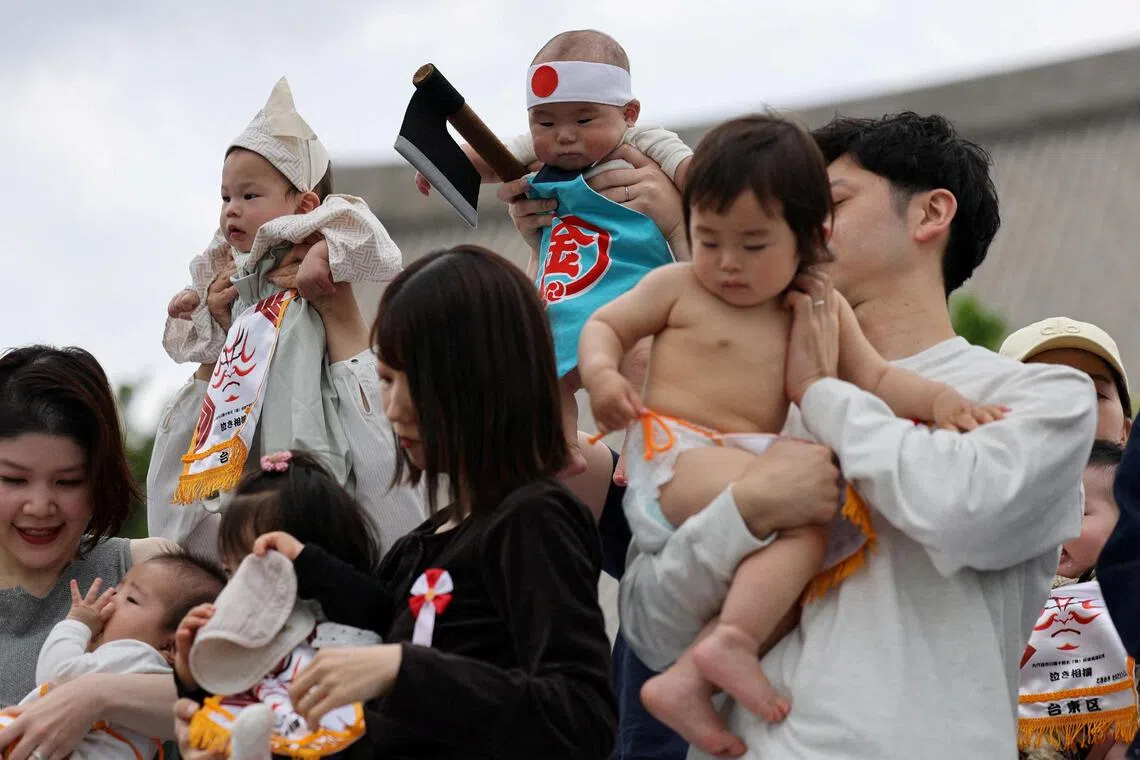
Japan's capital has emerged as a rare bright spot in the country's persistent demographic crisis, registering a notable increase in births after years of decline. The reversal reflects Tokyo's multi-pronged approach to addressing one of Asia's most pressing social challenges, combining technological innovation with substantial fiscal incentives to encourage family formation.
The city's AI matchmaking initiative represents a novel approach to tackling low marriage rates, a key driver of Japan's falling birth numbers. By leveraging algorithmic matching systems, Tokyo aims to facilitate romantic connections among single residents, addressing the structural barriers that have contributed to Japan's ageing population.
Complementing the technological initiative, Tokyo has implemented generous subsidies for families, reducing the financial burden of child-rearing that has deterred many Japanese from having children. These programmes address childcare costs, education expenses, and housing support, making parenthood more economically feasible for working-age residents.
Governor Koike has identified the demographic turnaround as among her administration's most significant accomplishments, signalling Tokyo's commitment to reversing national population trends. The capital's experience may offer insights for other Japanese regions and countries across Asia grappling with similar demographic headwinds.