World · World News Bureau
Tokyo sake maker breaks with tradition, ditches famous water sources
A Tokyo-based brewer is challenging Japan's sake-making convention that prized water from legendary springs and mineral-rich regions is essential to quality production. The unconventional approach suggests the industry's centuries-old obsession with terroir may be overblown.
LSN World News ·
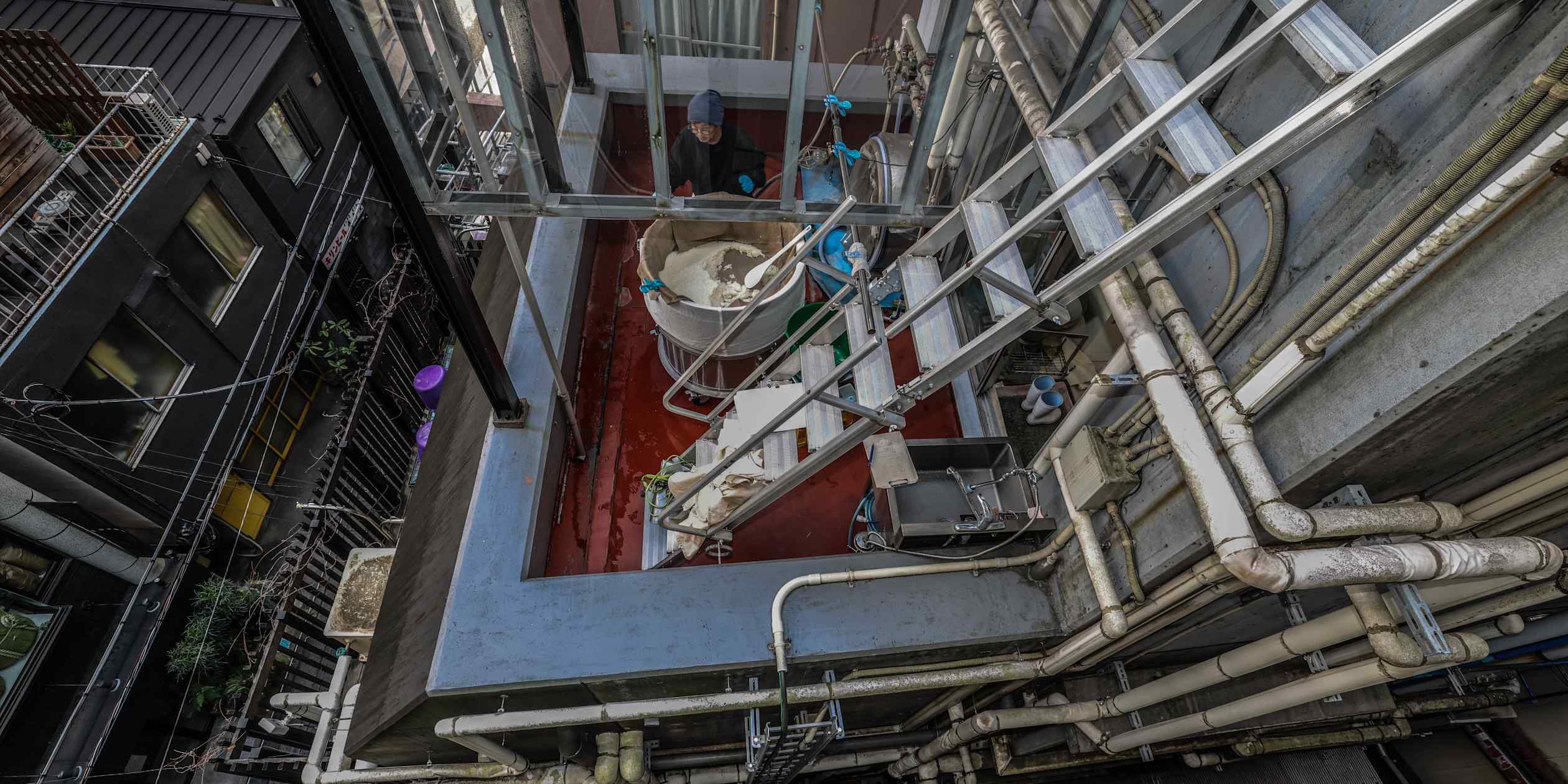
For generations, Japanese sake producers have anchored their craft to geography, with brewers in regions near renowned water sources—such as the Nada district and Fushimi—commanding premium prices and prestige. Water quality has long been considered fundamental to sake's flavor profile, with mineral content and pH levels treated as critical variables in the fermentation process.
Now, a Tokyo brewer is questioning whether this fixation on famous water sources has become an industry cliché that obscures other crucial factors in sake production. By experimenting with standard municipal water and focusing instead on yeast strains, rice selection, and fermentation techniques, the brewery aims to demonstrate that water provenance alone does not determine quality.
The challenge comes at a time when Japan's sake industry faces demographic headwinds, with domestic consumption declining and younger generations showing less interest in traditional beverages. Some producers have begun reassessing inherited assumptions about what makes sake exceptional, viewing the Tokyo experiment as a potential inflection point in how the industry understands its own craft.
While traditionalists maintain that water's mineral composition influences fermentation chemistry in measurable ways, the brewer's approach could reshape conversations about sake's essential ingredients and open new markets for producers without access to celebrated water sources. The outcome of this unconventional methodology may determine whether Japan's sake renaissance depends on geographic destiny or human ingenuity.