World · Singapore Bureau
Toy subscriptions offer parents sustainable alternative to constant purchases
As families seek more sustainable consumption patterns, subscription-based toy services and shared play programmes are gaining traction across the region. These models provide children with regular access to new toys while reducing waste and household spending.
LSN Singapore ·
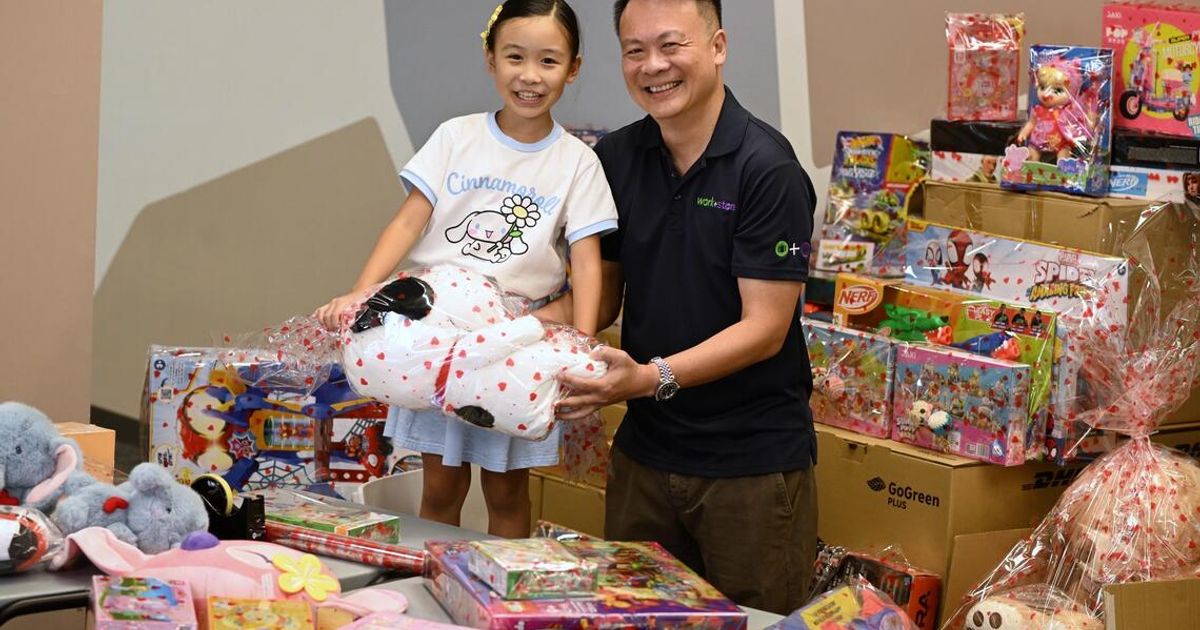
Parents navigating the challenge of keeping children entertained without accumulating excessive clutter are increasingly turning to toy subscription services and communal play schemes. These platforms allow families to rotate through collections of toys on a periodic basis, addressing both budget constraints and environmental concerns associated with single-use toy purchases.
Services such as Brick Borrow and Play.Able exemplify this emerging market approach. Rather than purchasing toys outright, subscribers gain access to curated selections that can be exchanged at regular intervals, ensuring children experience novelty without requiring permanent storage space or significant capital outlay.
The model appeals to urban families with limited living space, a common constraint in densely populated cities across South and Southeast Asia. By sharing toy inventories across multiple households, these platforms maximise the utility of each item while reducing individual household expenditure on items children may quickly outgrow.
Experts suggest such schemes also address sustainability challenges inherent in traditional toy consumption. By extending the lifecycle of products through sharing arrangements, these services reduce the volume of playthings destined for landfills while maintaining childhood developmental benefits associated with varied play experiences.
As consumer attitudes toward ownership and sustainability continue to evolve, subscription and sharing models are positioning themselves as practical alternatives to conventional toy retail, particularly among environmentally conscious parents and those managing tight household budgets.