World · World News Bureau
Toyota's Electric Vehicle Expansion in China Sidelines Japanese Component Makers
Toyota's accelerated push into China's electric vehicle market is increasingly relying on local suppliers, creating challenges for traditional Japanese component manufacturers who have long dominated the automaker's supply chain. The shift reflects both competitive pressures in the world's largest EV market and Beijing's preferences for domestic sourcing.
LSN World News ·
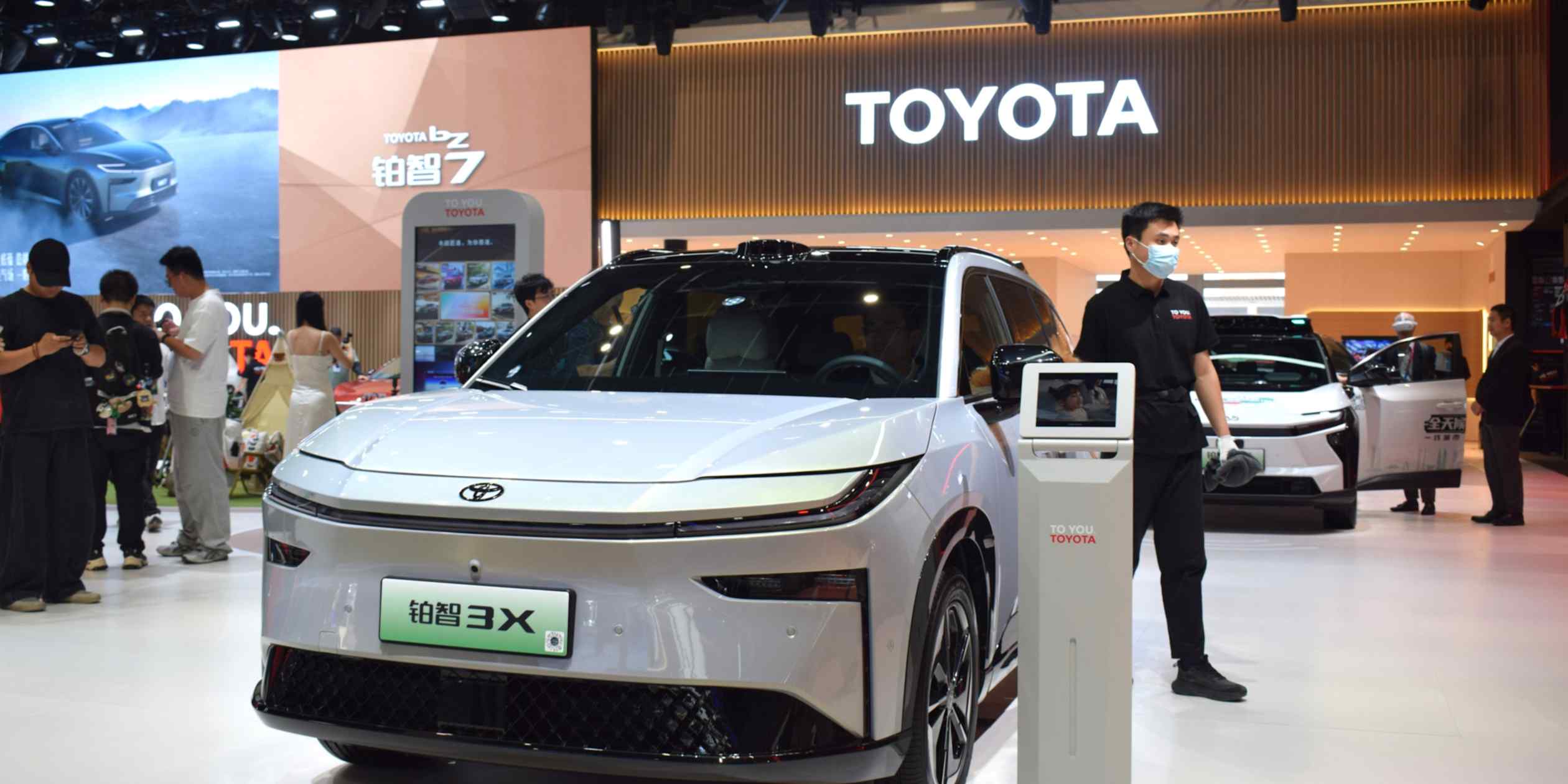
Toyota has intensified efforts to capture market share in China's rapidly growing electric vehicle sector, but the strategy is reshaping its supplier ecosystem in ways that disadvantage established Japanese parts manufacturers. The automaker has expanded partnerships with Chinese component suppliers and battery makers to reduce costs and accelerate production timelines for models aimed at the Chinese market.
The realignment reflects the competitive intensity of China's EV sector, where price sensitivity and localized supply chains have become critical competitive advantages. By sourcing more components domestically rather than importing them from Japan, Toyota can reduce manufacturing costs and better navigate regulatory requirements favoring local content. Battery suppliers, in particular, have seen significant demand from the automaker's Chinese operations.
Japanese suppliers have historically formed the backbone of Toyota's global manufacturing network, but their position in the company's China operations has become increasingly precarious. Many traditional component makers lack the scale or pricing flexibility to compete with Chinese rivals who benefit from lower labor costs and proximity to assembly plants. Several Japanese tier-one suppliers have signaled concerns about reduced order volumes from Toyota's China-focused EV programs.
Toyota's approach underscores a broader trend among international automakers adapting to China's market dynamics. The company has maintained that supplier selection is driven by quality, cost, and delivery performance, while also acknowledging the importance of meeting local content expectations. The shift, however, signals that Japanese suppliers seeking to maintain their role in Toyota's supply chain may need to establish stronger production capabilities within China itself.