World · Singapore Bureau
Tracing Southeast Asia's Most Severe Fire and Haze Crises
Devastating fire and haze episodes across Southeast Asia have repeatedly coincided with strong El Niño weather patterns, leaving lasting environmental and health impacts across the region.
LSN Singapore ·
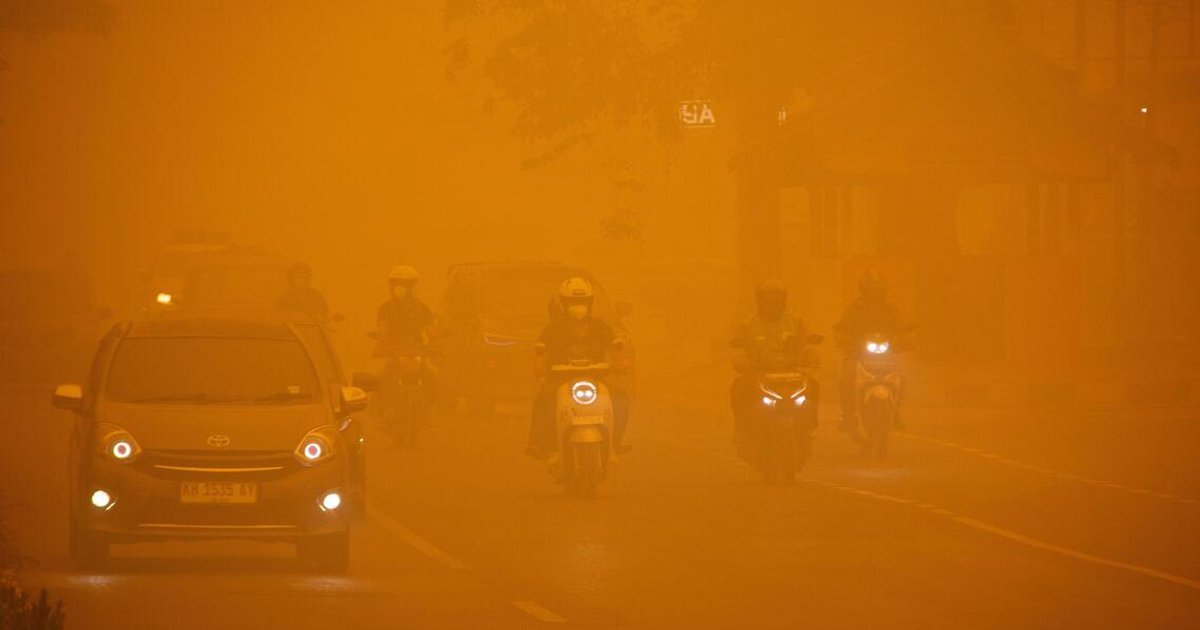
Southeast Asia has experienced numerous severe fire and haze episodes over recent decades, with many of the most damaging events occurring during pronounced El Niño cycles. These climatic conditions create ideal circumstances for widespread fires to flourish, transforming forests into smoke-choked landscapes that affect millions of residents across multiple countries.
The region's vulnerability to such episodes stems from a combination of factors. El Niño events suppress rainfall and create prolonged droughts, drying vegetation and forest floors. When combined with land-clearing practices and agricultural burning in countries like Indonesia and Malaysia, these conditions become particularly explosive. The resulting fires generate immense quantities of smoke and particulate matter that drift across international boundaries, creating transnational air quality crises.
Past episodes have demonstrated the severe consequences of these environmental events. Dense haze has disrupted air travel, forced school closures, and triggered widespread health emergencies across affected nations. Visibility in major cities has plummeted to dangerous levels, while respiratory illnesses surge among vulnerable populations including children and the elderly.
Government responses and regional cooperation mechanisms have evolved in response to successive crises, though challenges remain. Early warning systems, cross-border monitoring initiatives, and enforcement of land management regulations represent ongoing efforts to mitigate future episodes. However, experts emphasize that as climate patterns continue to shift, Southeast Asia must strengthen its preparedness and regional coordination to manage the escalating risks posed by fire and haze events.