World · India Bureau
Tracking elephants: Assam study seeks to reduce human-wildlife conflict
A five-year GPS monitoring programme has tracked elephant herds across three districts in Assam to better understand movement patterns and devise strategies to minimise dangerous encounters between pachyderms and people.
LSN India ·
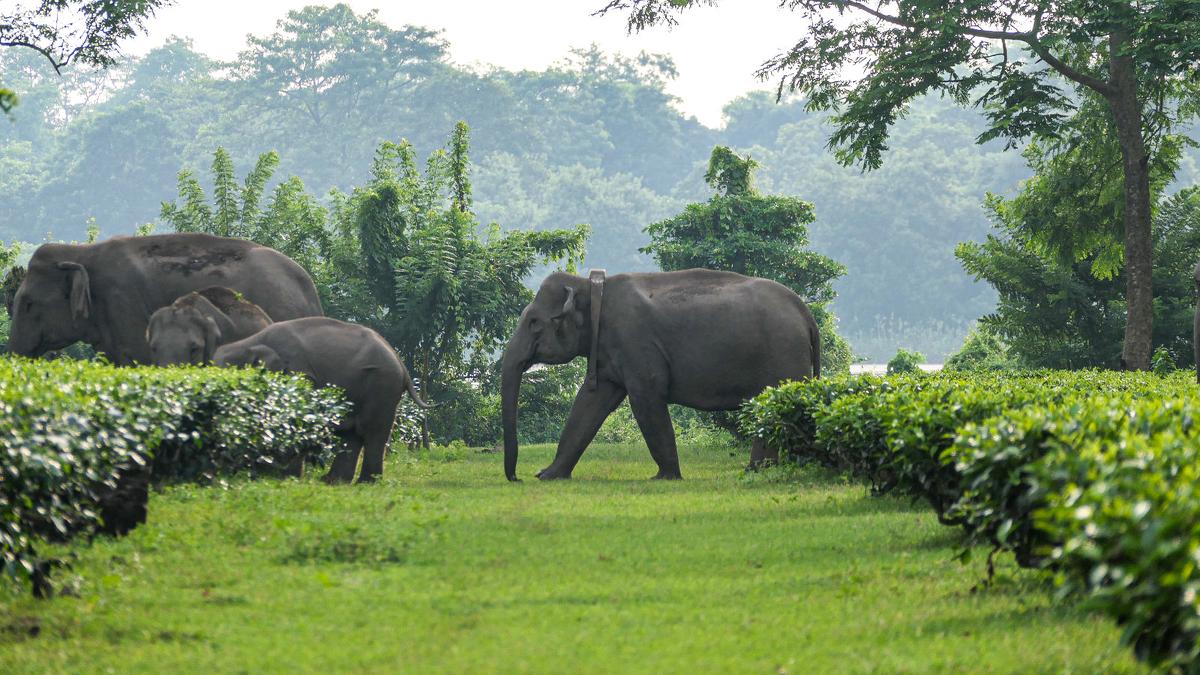
Wildlife researchers in Assam have completed an extensive tracking study aimed at reducing the escalating conflicts between wild elephants and human settlements across the northeastern state. Between April 2021 and June 2026, the Assam Forest Department partnered with WWF-India to monitor the movements of four female-led herds and one solitary male elephant using GPS technology in three high-conflict districts: Udalguri, Sonitpur and Biswanath.
The study focused on regions where elephant-human encounters have become increasingly frequent and often fatal for both animals and residents. By mapping the precise movement patterns and range preferences of these elephant populations, researchers aimed to identify crucial corridors and critical zones where interventions could prove most effective.
The data collected through the GPS monitoring programme is expected to inform policy decisions and on-ground conservation strategies. Findings from the research could guide the placement of early warning systems, the construction of barriers, and the timing of wildlife awareness campaigns in vulnerable communities. Such targeted approaches are seen as essential to reducing casualties and property damage while ensuring the long-term survival of wild elephant populations in Assam.
The tracking study represents one of the most comprehensive efforts to understand elephant behaviour in the state's conflict zones. Wildlife officials and conservation groups hope the insights gained will contribute to developing more effective coexistence frameworks that balance human safety with elephant welfare across northeastern India's most challenging wildlife hotspots.