Business · World News Bureau
Trade tensions and inflation weigh on American farmers' political allegiances
Escalating trade disputes with China and surging operational costs are challenging the political loyalties of American agricultural producers who previously backed protectionist policies. The combination of tariffs and inflation threatens farm profitability and may reshape voting patterns in key rural constituencies.
LSN World News ·
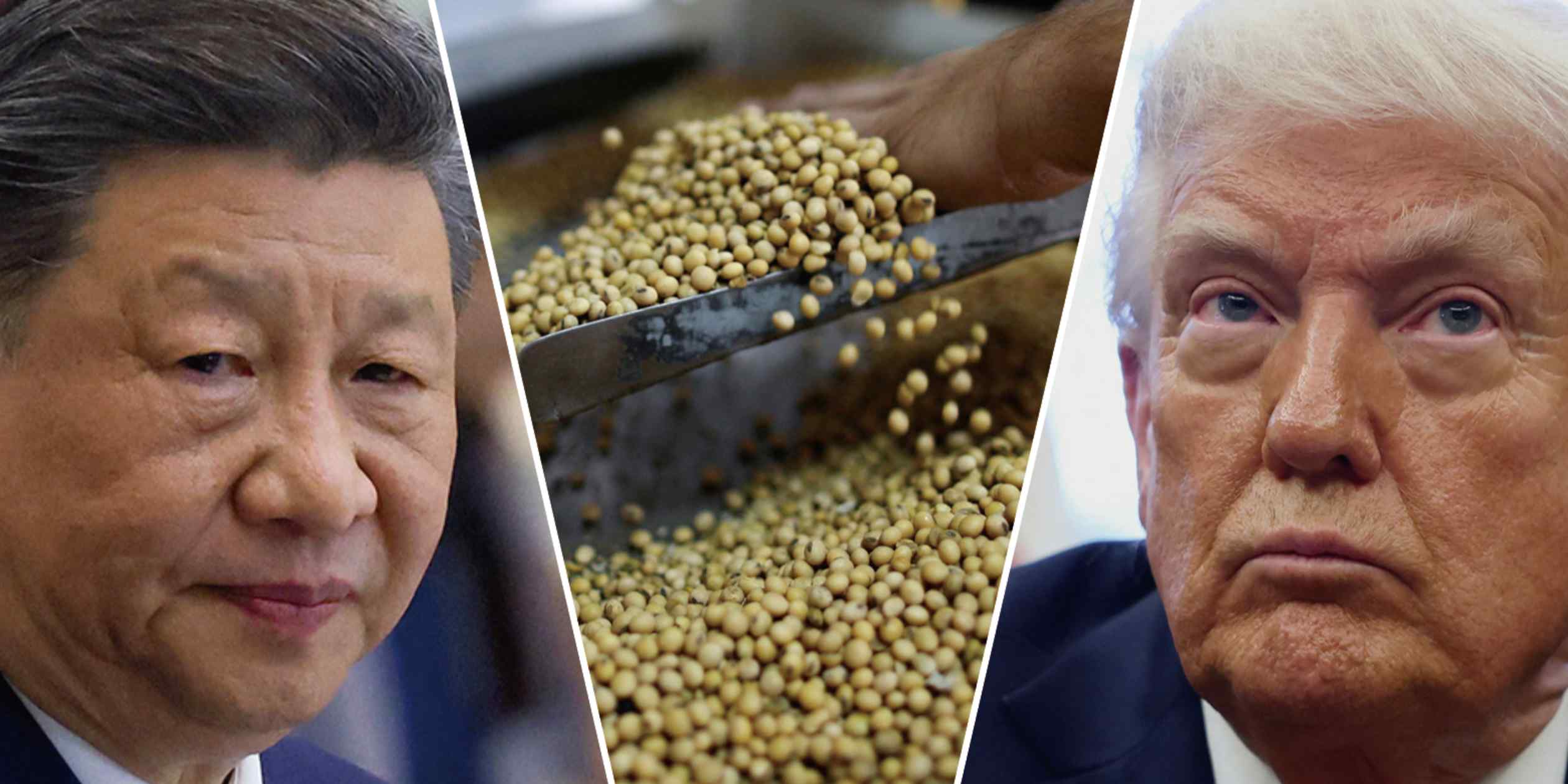
American farmers face mounting pressure from competing economic forces as trade tensions with China persist alongside record-high input costs, testing the political calculations that guided many agricultural voters in recent electoral cycles. Tariff-driven trade conflicts that were initially promoted as beneficial to domestic farming have yielded mixed results, with retaliatory measures from Beijing disrupting traditional export markets and depressing commodity prices.
Operating expenses for farmers have surged substantially due to elevated fertilizer, fuel, and equipment costs, squeezing profit margins across the sector. Many agricultural producers report that gains from commodity price support programs have been offset by these inflationary pressures, leaving their overall financial position precarious. The cumulative effect has generated concerns among farming communities about whether their preferred trade policies remain economically viable.
Rural regions that demonstrated strong support for protectionist trade approaches are now reassessing their political priorities as immediate financial pressures intensify. Farm organizations and agricultural economists have warned that sustained trade uncertainty combined with cost inflation threatens the viability of operations across multiple commodity sectors. The situation has prompted renewed debate within farming communities about the long-term consequences of current trade and economic policies.
Policymakers are monitoring rural sentiment closely as agricultural producers weigh their options ahead of upcoming electoral cycles. Farming constituencies have historically demonstrated significant political influence, and shifts in their voting patterns could reshape outcomes in competitive regions. Industry observers suggest that resolution of trade disputes and management of input cost inflation will likely determine the political trajectory of American agriculture in the near term.