Culture & Entertainment · Bangladesh Bureau
Traditional Bakkhali River boats face uncertain future amid changing waters
The iconic wooden vessels known as kolpojahaaj that have plied the Bakkhali River for generations are becoming increasingly rare as modern transport and environmental pressures reshape waterway commerce. Conservationists and local communities are working to preserve this maritime heritage before the traditional boats disappear entirely.
LSN Bangladesh ·
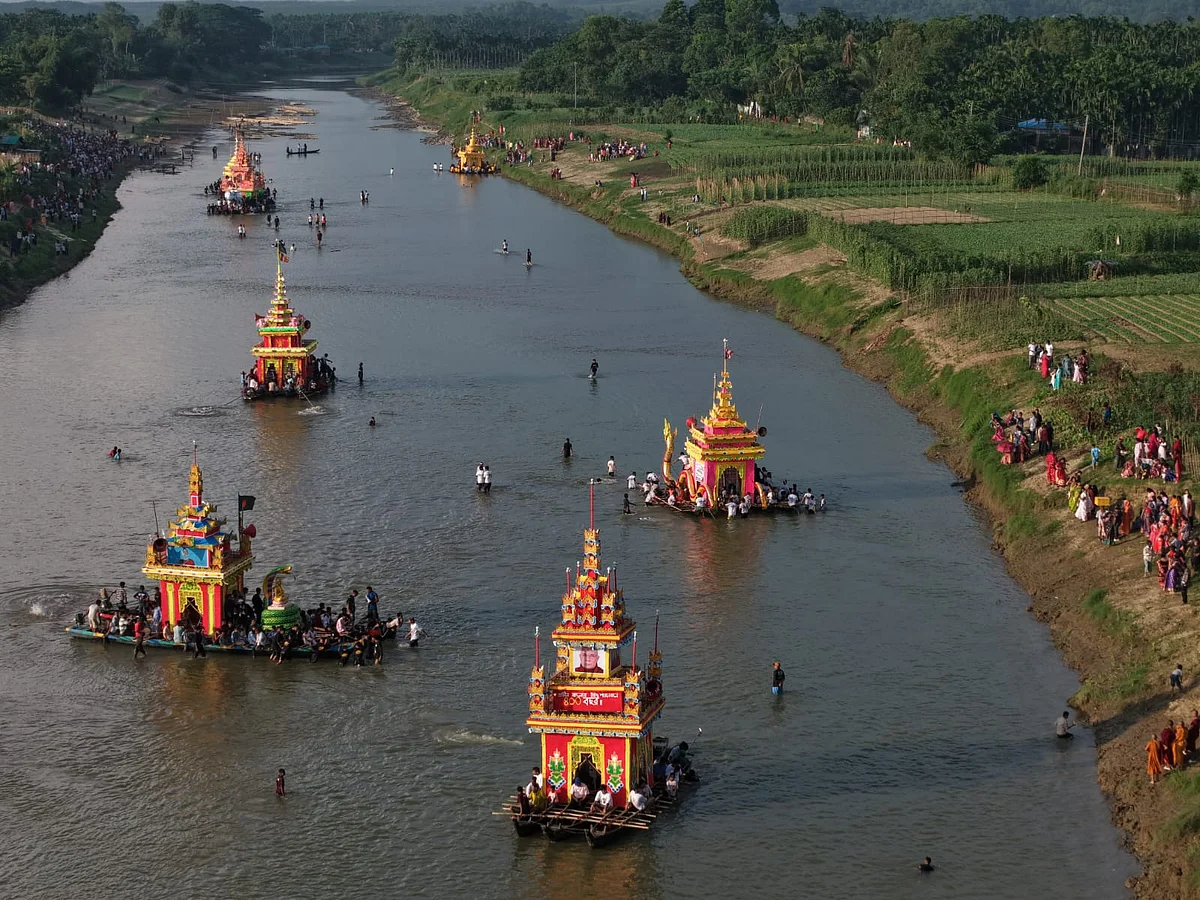
The kolpojahaaj, distinctive wooden cargo boats that have served fishing communities and traders along the Bakkhali River for centuries, represent a fading chapter in South Asia's maritime history. These flat-bottomed vessels, traditionally constructed without blueprints using time-honored techniques passed down through generations, were once the lifeblood of river commerce, transporting goods, passengers, and agricultural produce across the waterway's intricate channels.
Today, the number of operational kolpojahaaj has dwindled significantly as diesel-powered speedboats and modern transportation networks have overtaken traditional river trade routes. Boat builders skilled in the craft have aged without passing their knowledge to younger generations, while the economics of maintaining wooden vessels have become increasingly unviable compared to faster, more efficient alternatives.
Local historians and cultural organizations have begun documenting the remaining boats and their builders, recognizing the kolpojahaaj as an integral part of regional heritage. The vessels exemplify the ingenuity of traditional craftsmen and the cultural identity of riverside communities whose livelihoods once depended entirely on these boats.
Environmental changes to the Bakkhali River, including altered water levels and increased siltation, have further complicated operations for boat owners. Despite these challenges, a handful of kolpojahaaj remain in active use, primarily for fishing and occasional cargo transport, serving as living reminders of a maritime tradition that shaped the region's economic and social landscape for generations.